

U.S. Senate permitting bill draws climate risk warning from Al Gore

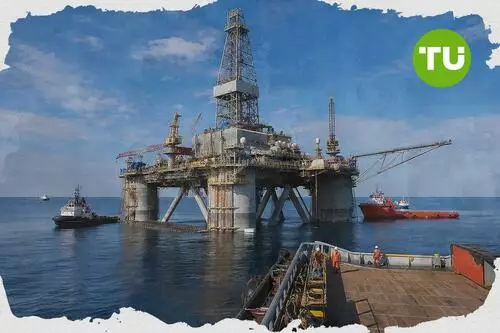
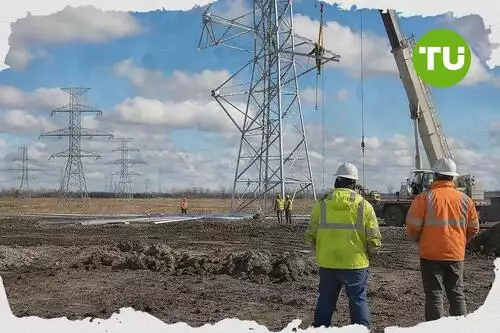
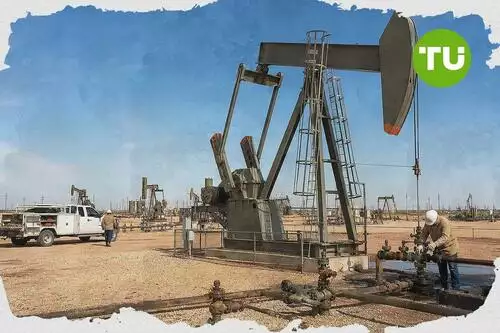
Debate over a bipartisan U.S. permitting overhaul is intensifying as the Senate moves toward a final vote on legislation affecting energy infrastructure and datacenters. The bill would ease approvals for projects ranging from oil and gas pipelines to transmission lines and renewable power facilities, while narrowing environmental reviews and legal challenges.
Highlights
- Al Gore warns that passing the Bipartisan American Affordability and Jobs Act (Baaja) would favor the fossil fuel industry and urges the Senate to reconsider as a final vote approaches this week.
- The Baaja bill exposes Democratic and activist divisions by offering faster permitting for clean energy projects but weakening environmental safeguards, raising concerns about increased pipelines and fossil fuel facilities.
- Senator Sheldon Whitehouse is proposing amendments to the Baaja bill to prevent potential blocking of clean energy projects, while emphasizing that backlash stems from exaggerated concerns over environmental protections.
Senate vote nears amid opposition at Cop31
As reported by The Guardian, former U.S. vice-president Al Gore says it would be a serious mistake to pass the Bipartisan American Affordability and Jobs Act, or Baaja, and is urging lawmakers to reconsider the measure as it advances through the Senate.Speaking at the Cop31 climate summit in Antalya, Turkey, Gore argues the bill would ultimately favor the fossil fuel industry, despite also covering clean energy infrastructure such as solar, wind and transmission lines. He says support from President Trump and the American Petroleum Institute is a warning sign, and contends Trump would implement any new law in a way that benefits oil and gas producers.
Gore also says the legislation could lock in new pipelines and fossil fuel facilities at a time when Democrats, after their midterm gains, may soon have a better chance to draft a more renewables-friendly alternative when they take control of Congress in January. A final Senate vote is expected this week, and if the measure passes it would move to the House.
Clean energy trade-offs split Democrats and activists
The bill has exposed divisions among Democrats and environmental groups over whether faster permitting for transmission lines and renewable projects justifies weaker environmental safeguards. Supporters argue that if the current compromise fails, Republican and Trump backing for any permitting package may disappear, leaving wind and solar projects stuck in lengthy reviews and worsening delays in getting clean electricity onto the grid.Sheldon Whitehouse, the Democratic senator and climate advocate who helped craft the legislation, rejects Gore's criticism and says he is working on amendments to strengthen the bill. Whitehouse says the proposals include provisions aimed at preventing Trump from arbitrarily blocking clean energy developments.
He also says backlash to the legislation has been fueled by exaggerated concerns after the text was released, as critics warn that environmental protections are being cut back in exchange for only a modest reduction in greenhouse gas pollution.
Previously, we examined COP31 divisions as ministers converged in Antalya amid disputes over the summit’s cover text.








-
 Afghanistan
-
 Albania
-
 Algeria
-
 Angola
-
 Argentina
-
 Armenia
-
 Australia
-
 Austria
-
 Azerbaijan
-
 Bahamas
-
 Bahrain
-
 Bangladesh
-
 Belarus
-
 Belgium
-
 Bolivia
-
 Botswana
-
 Brazil
-
 Brunei
-
 Bulgaria
-
 Cambodia
-
 Cameroon
-
 Canada
-
 Chile
-
 China
-
 Colombia
-
 Congo
-
 Costa Rica
-
 Cote d'Ivoire
-
 Croatia
-
 Cuba
-
 Cyprus
-
 Czechia
-
 DR Congo
-
 Denmark
-
 Dominican Republic
-
 Ecuador
-
 Egypt
-
 El Salvador
-
 Estonia
-
 Eswatini
-
 Ethiopia
-
 Finland
-
 France
-
 Georgia
-
 Germany
-
 Ghana
-
 Greece
-
 Haiti
-
 Hong Kong
-
 Hungary
-
 India
-
 Indonesia
-
 Iran, Islamic republic
-
 Iraq
-
 Ireland
-
 Israel
-
 Italy
-
 Jamaica
-
 Japan
-
 Jordan
-
 Kazakhstan
-
 Kenya
-
 Korea
-
 Kuwait
-
 Kyrgyzstan
-
 Laos
-
 Latvia
-
 Lebanon
-
 Lesotho
-
 Libya
-
 Lithuania
-
 Luxembourg
-
 Madagascar
-
 Malaysia
-
 Malta
-
 Mauritius
-
 Mexico
-
 Moldova
-
 Mongolia
-
 Montenegro
-
 Morocco
-
 Mozambique
-
 Myanmar
-
 Namibia
-
 Nepal
-
 Netherlands
-
 New Zealand
-
 Nigeria
-
 North Macedonia
-
 Norway
-
 Oman
-
 Pakistan
-
 Palestine
-
 Panama
-
 Papua New Guinea
-
 Paraguay
-
 Peru
-
 Philippines
-
 Poland
-
 Portugal
-
 Puerto Rico
-
 Qatar
-
 Reunion
-
 Romania
-
 Rwanda
-
 Saudi Arabia
-
 Serbia
-
 Singapore
-
 Slovakia
-
 Slovenia
-
 Somalia
-
 South Africa
-
 Spain
-
 Sri Lanka
-
 Sweden
-
 Switzerland
-
 Syria
-
 Taiwan
-
 Tajikistan
-
 Tanzania
-
 Thailand
-
 Trinidad and Tobago
-
 Tunisia
-
 Turkey
-
 UAE
-
 Uganda
-
 Ukraine
-
 United Kingdom
-
United States
-
 Uruguay
-
 Uzbekistan
-
 Venezuela
-
 Vietnam
-
 Yemen
-
 Zambia
-
 Zimbabwe
- Forex
- Crypto












