

Climate sector shifts focus as Earth exceeds 1.5C warming threshold

The UN climate summit in Antalya marks a turning point for policymakers, companies and campaigners as global efforts move from trying to avoid breaching 1.5C to limiting the duration of any overshoot. The change comes as fossil-fuel emissions are expected to edge down by 0.4 per cent in 2026, but delegates and advocates remain concerned that policy reversals and weak public mobilisation are slowing deeper cuts.
Highlights
- At COP31 in Antalya, delegates shift focus from preventing 1.5C warming to minimizing overshoot and returning to target by century’s end.
- Political resistance and rapid green policy reversals are intensifying, driven by fossil fuel sector opposition and competing priorities like AI and war.
- Turkey’s President Erdoğan announces two new oilfields expected to contribute over $4 billion annually, despite summit warnings about irreversible climate damage.
Antalya summit resets climate strategy
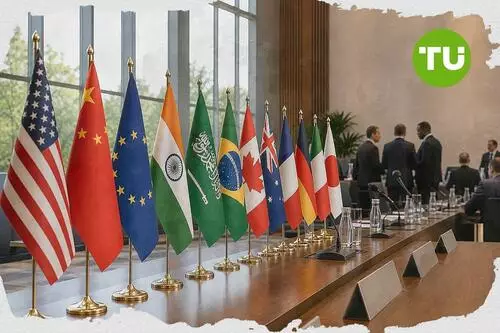
As reported by the Financial Times, this year’s COP31 gathering in Antalya is the first UN climate summit to take place after official confirmation that the world will soon exceed the Paris agreement’s 1.5C warming target.That shift is changing the language and priorities of the negotiations. Previous summits were dominated by calls to keep 1.5C alive, while this year delegates are increasingly focused on minimising overshoot, cutting emissions fast enough to shorten the period of higher temperatures and return to 1.5C by the end of the century.
The conference also highlights continued commercial activity around decarbonisation. Businesses at the venue are promoting products and technologies including cleaner steel, greener cement, jet fuel and beer, while smaller companies are using the summit to build new climate-focused networks.
Political resistance and policy reversals weigh on action
Former U.S. vice-president Al Gore says the climate movement is examining whether it could have acted differently, while arguing that a more fragmented information environment and stronger opposition from the fossil fuel industry have played a major role in slowing progress.Jennifer Morgan, Germany’s former climate envoy and a former Greenpeace International chief, says resistance from fossil fuel interests has been profound and that campaigners may have underestimated how hard the sector would fight. She also points to missed opportunities to build broader public backing for climate policy, especially by linking the issue more directly to voters’ everyday concerns.
Those concerns are deepening as governments and businesses roll back green policies and commitments. Sandrine Dixson-Declève, a former president of The Club of Rome, says the speed of those reversals has been frightening, particularly at a time when attention is being diverted by AI, war and the continued political influence of Donald Trump.
The tension is also visible in Turkey, the host nation. As COP31 president Murat Kurum warns that even a brief overshoot could bring irreversible loss and damage, President Recep Tayyip Erdoğan is welcoming the discovery of two new oilfields that he says should add more than $4 billion a year to the Turkish economy.
We have previously noted how the Antalya AI Pledge and green industrialization initiatives gained prominence as COP31 talks intensified in Antalya.






Latest Turkey News


-
 Afghanistan
-
 Albania
-
 Algeria
-
 Angola
-
 Argentina
-
 Armenia
-
 Australia
-
 Austria
-
 Azerbaijan
-
 Bahamas
-
 Bahrain
-
 Bangladesh
-
 Belarus
-
 Belgium
-
 Bolivia
-
 Botswana
-
 Brazil
-
 Brunei
-
 Bulgaria
-
 Cambodia
-
 Cameroon
-
 Canada
-
 Chile
-
 China
-
 Colombia
-
 Congo
-
 Costa Rica
-
 Cote d'Ivoire
-
 Croatia
-
 Cuba
-
 Cyprus
-
 Czechia
-
 DR Congo
-
 Denmark
-
 Dominican Republic
-
 Ecuador
-
 Egypt
-
 El Salvador
-
 Estonia
-
 Eswatini
-
 Ethiopia
-
 Finland
-
 France
-
 Georgia
-
 Germany
-
 Ghana
-
 Greece
-
 Haiti
-
 Hong Kong
-
 Hungary
-
 India
-
 Indonesia
-
 Iran, Islamic republic
-
 Iraq
-
 Ireland
-
 Israel
-
 Italy
-
 Jamaica
-
 Japan
-
 Jordan
-
 Kazakhstan
-
 Kenya
-
 Korea
-
 Kuwait
-
 Kyrgyzstan
-
 Laos
-
 Latvia
-
 Lebanon
-
 Lesotho
-
 Libya
-
 Lithuania
-
 Luxembourg
-
 Madagascar
-
 Malaysia
-
 Malta
-
 Mauritius
-
 Mexico
-
 Moldova
-
 Mongolia
-
 Montenegro
-
 Morocco
-
 Mozambique
-
 Myanmar
-
 Namibia
-
 Nepal
-
 Netherlands
-
 New Zealand
-
 Nigeria
-
 North Macedonia
-
 Norway
-
 Oman
-
 Pakistan
-
 Palestine
-
 Panama
-
 Papua New Guinea
-
 Paraguay
-
 Peru
-
 Philippines
-
 Poland
-
 Portugal
-
 Puerto Rico
-
 Qatar
-
 Reunion
-
 Romania
-
 Rwanda
-
 Saudi Arabia
-
 Serbia
-
 Singapore
-
 Slovakia
-
 Slovenia
-
 Somalia
-
 South Africa
-
 Spain
-
 Sri Lanka
-
 Sweden
-
 Switzerland
-
 Syria
-
 Taiwan
-
 Tajikistan
-
 Tanzania
-
 Thailand
-
 Trinidad and Tobago
-
 Tunisia
-
 Turkey
-
 UAE
-
 Uganda
-
 Ukraine
-
 United Kingdom
-
United States
-
 Uruguay
-
 Uzbekistan
-
 Venezuela
-
 Vietnam
-
 Yemen
-
 Zambia
-
 Zimbabwe
- Forex
- Crypto












