

UK faces rising costs to rejoin EU as policy and market divergence widens

Britain faces a growing economic and regulatory hurdle to any future return to the EU as policies and market structures on both sides continue to drift apart. That raises the upfront cost of re-entry for UK governments and businesses even as geography keeps the bloc as the country’s most important neighbouring market.
Highlights
- Policy divergence since Labour's 2024 measures, like VAT changes on private schools and energy bills, increases political and fiscal re-entry costs for the UK.
- A lighter regulatory approach to artificial intelligence supports stronger UK growth, but future EU alignment could require trade-offs impacting British economic sectors.
- UK manufacturers face increasing commercial disadvantages outside EU frameworks such as 'Made in Europe', and both the UK and EU have lost significant capital market access post-Brexit.
Policy divergence raises re-entry costs
As reported by the Financial Times, the longer the UK remains outside the EU, the more difficult and costly rejoining becomes because domestic policy choices increasingly move out of line with the bloc.The article argues that some measures introduced since Labour came into office in 2024 would have to be reversed if Britain were to re-enter the EU. These include the imposition of value added tax on private schools and the removal of it from energy bills, both of which would create an immediate political and fiscal adjustment cost.
It also points to a lighter UK approach to regulating artificial intelligence, continuing a path set under former prime minister Rishi Sunak. Faster AI adoption is presented as one factor behind stronger UK growth relative to European peers, meaning any future alignment with EU rules could carry trade-offs for parts of the British economy.
Market access and industrial impact
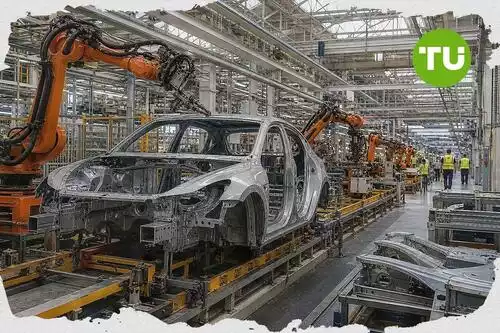
The analysis also highlights the commercial costs of staying outside EU frameworks, including the bloc's "Made in Europe" scheme, which has created difficulties for British manufacturers as Europe responds to pressure from lower-cost Chinese electric vehicles.Capital markets are another area where separation continues to weigh on both sides. Citing a paper by New Financial and The City of London Corporation, the article says Brexit cost the EU access to its deepest capital market while the UK lost easy access to its nearest large market.
Over time, the EU is expected to keep writing rules around the interests of a trade bloc that no longer includes Britain. The piece argues this will leave the UK exposed not only to lost benefits from membership but also to missed advantages it might otherwise have gained, while increasing the number of Britons with something to lose from rejoining.
We recently reported on the Brussels summit deal that kept the UK government’s plans for closer EU ties on the agenda.






Latest Trade Deals News



-
 Afghanistan
-
 Albania
-
 Algeria
-
 Angola
-
 Argentina
-
 Armenia
-
 Australia
-
 Austria
-
 Azerbaijan
-
 Bahamas
-
 Bahrain
-
 Bangladesh
-
 Belarus
-
 Belgium
-
 Bolivia
-
 Botswana
-
 Brazil
-
 Brunei
-
 Bulgaria
-
 Cambodia
-
 Cameroon
-
 Canada
-
 Chile
-
 China
-
 Colombia
-
 Congo
-
 Costa Rica
-
 Cote d'Ivoire
-
 Croatia
-
 Cuba
-
 Cyprus
-
 Czechia
-
 DR Congo
-
 Denmark
-
 Dominican Republic
-
 Ecuador
-
 Egypt
-
 El Salvador
-
 Estonia
-
 Eswatini
-
 Ethiopia
-
 Finland
-
 France
-
 Georgia
-
 Germany
-
 Ghana
-
 Greece
-
 Haiti
-
 Hong Kong
-
 Hungary
-
 India
-
 Indonesia
-
 Iran, Islamic republic
-
 Iraq
-
 Ireland
-
 Israel
-
 Italy
-
 Jamaica
-
 Japan
-
 Jordan
-
 Kazakhstan
-
 Kenya
-
 Korea
-
 Kuwait
-
 Kyrgyzstan
-
 Laos
-
 Latvia
-
 Lebanon
-
 Lesotho
-
 Libya
-
 Lithuania
-
 Luxembourg
-
 Madagascar
-
 Malaysia
-
 Malta
-
 Mauritius
-
 Mexico
-
 Moldova
-
 Mongolia
-
 Montenegro
-
 Morocco
-
 Mozambique
-
 Myanmar
-
 Namibia
-
 Nepal
-
 Netherlands
-
 New Zealand
-
 Nigeria
-
 North Macedonia
-
 Norway
-
 Oman
-
 Pakistan
-
 Palestine
-
 Panama
-
 Papua New Guinea
-
 Paraguay
-
 Peru
-
 Philippines
-
 Poland
-
 Portugal
-
 Puerto Rico
-
 Qatar
-
 Reunion
-
 Romania
-
 Rwanda
-
 Saudi Arabia
-
 Serbia
-
 Singapore
-
 Slovakia
-
 Slovenia
-
 Somalia
-
 South Africa
-
 Spain
-
 Sri Lanka
-
 Sweden
-
 Switzerland
-
 Syria
-
 Taiwan
-
 Tajikistan
-
 Tanzania
-
 Thailand
-
 Trinidad and Tobago
-
 Tunisia
-
 Turkey
-
 UAE
-
 Uganda
-
 Ukraine
-
 United Kingdom
-
United States
-
 Uruguay
-
 Uzbekistan
-
 Venezuela
-
 Vietnam
-
 Yemen
-
 Zambia
-
 Zimbabwe
- Forex
- Crypto












