

Taiwan confident previously agreed U.S. tariff rate will hold

Taiwan says it is confident it will retain a previously agreed 15% tariff rate with the U.S. after Washington proposed new tariff ranges for 14 major trading partners. The reassurance is significant for the island's technology exporters, as semiconductors and related products account for more than 70% of Taiwan's exports to the U.S.
Highlights
- Taiwan expects the previously agreed 15% tariff rate on its exports to the U.S. to remain despite the Trump administration's proposed 20–40% maximum rates.
- The Office of the U.S. Trade Representative indicates new tariffs will be capped at lower levels under existing or negotiated deals, protecting Taiwan's preferential terms for technology exports.
- Technology goods, mainly semiconductors, account for over 70% of Taiwan's U.S. exports, with TSMC committing $265 billion for new U.S. factories amid tariff stability assurances.
Trade terms and tariff outlook
As reported by Reuters, Taiwan's government says communications with the U.S. indicate both sides will maintain the previously agreed 15% rate despite the Trump administration's latest tariff push.The administration has proposed new maximum potential rates of 20% to 40% to address what it describes as excess industrial capacity being promoted by the affected countries. However, the Office of the U.S. Trade Representative says it intends to cap new tariffs at lower levels agreed under trade deals that are completed or still under negotiation.
Taiwan and the U.S. signed an investment cooperation Memorandum of Understanding in January and an Agreement on Reciprocal Trade, or ART, in February this year. Those arrangements secure preferential treatment for semiconductors and other technology products.
Semiconductor exposure and U.S. investment
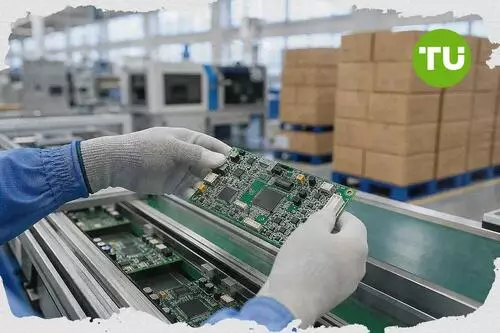
Technology goods covered by the arrangements represent more than 70% of Taiwan's exports to the U.S., making tariff stability important for the island's trade outlook and chip supply chain position.Separate Section 232 tariffs on semiconductors and their derivatives have not yet been announced, but Taiwan says it has already secured most-favored treatment in advance through the MOU. Taiwan is also home to TSMC, the world's largest contract chipmaker, which is investing $265 billion to build new factories in the U.S.
This adds to earlier discussion around targeted tariffs staying within trade-deal levels under the Trump administration’s planned package.






Latest Tariffs News



-
 Afghanistan
-
 Albania
-
 Algeria
-
 Angola
-
 Argentina
-
 Armenia
-
 Australia
-
 Austria
-
 Azerbaijan
-
 Bahamas
-
 Bahrain
-
 Bangladesh
-
 Belarus
-
 Belgium
-
 Bolivia
-
 Botswana
-
 Brazil
-
 Brunei
-
 Bulgaria
-
 Cambodia
-
 Cameroon
-
 Canada
-
 Chile
-
 China
-
 Colombia
-
 Congo
-
 Costa Rica
-
 Cote d'Ivoire
-
 Croatia
-
 Cuba
-
 Cyprus
-
 Czechia
-
 DR Congo
-
 Denmark
-
 Dominican Republic
-
 Ecuador
-
 Egypt
-
 El Salvador
-
 Estonia
-
 Eswatini
-
 Ethiopia
-
 Finland
-
 France
-
 Georgia
-
 Germany
-
 Ghana
-
 Greece
-
 Haiti
-
 Hong Kong
-
 Hungary
-
 India
-
 Indonesia
-
 Iran, Islamic republic
-
 Iraq
-
 Ireland
-
 Israel
-
 Italy
-
 Jamaica
-
 Japan
-
 Jordan
-
 Kazakhstan
-
 Kenya
-
 Korea
-
 Kuwait
-
 Kyrgyzstan
-
 Laos
-
 Latvia
-
 Lebanon
-
 Lesotho
-
 Libya
-
 Lithuania
-
 Luxembourg
-
 Madagascar
-
 Malaysia
-
 Malta
-
 Mauritius
-
 Mexico
-
 Moldova
-
 Mongolia
-
 Montenegro
-
 Morocco
-
 Mozambique
-
 Myanmar
-
 Namibia
-
 Nepal
-
 Netherlands
-
 New Zealand
-
 Nigeria
-
 North Macedonia
-
 Norway
-
 Oman
-
 Pakistan
-
 Palestine
-
 Panama
-
 Papua New Guinea
-
 Paraguay
-
 Peru
-
 Philippines
-
 Poland
-
 Portugal
-
 Puerto Rico
-
 Qatar
-
 Reunion
-
 Romania
-
 Rwanda
-
 Saudi Arabia
-
 Serbia
-
 Singapore
-
 Slovakia
-
 Slovenia
-
 Somalia
-
 South Africa
-
 Spain
-
 Sri Lanka
-
 Sweden
-
 Switzerland
-
 Syria
-
 Taiwan
-
 Tajikistan
-
 Tanzania
-
 Thailand
-
 Trinidad and Tobago
-
 Tunisia
-
 Turkey
-
 UAE
-
 Uganda
-
 Ukraine
-
 United Kingdom
-
United States
-
 Uruguay
-
 Uzbekistan
-
 Venezuela
-
 Vietnam
-
 Yemen
-
 Zambia
-
 Zimbabwe
- Forex
- Crypto












