

Swiss economy seen absorbing limited impact from higher U.S. tariffs

Switzerland is expected to face only a modest economic setback if higher U.S. tariffs on its exports take effect in January. Economists estimate the move would trim Swiss GDP by less than 0.1% next year, while leaving unemployment effects minimal.
Highlights
- Swiss GDP will be less than 0.1% lower than previously forecast for next year if U.S. tariffs rise to 15% in January.
- The new 15% U.S. tariff—up from 12.5%—applies to Swiss exports alongside EU competitors, mitigating any relative disadvantage for Swiss firms.
- The pharmaceuticals sector, Switzerland's largest U.S. export, is mostly exempt from the tariff hike, minimizing overall impact on Swiss exports.
Tariff outlook and projected economic effect
As reported by Reuters, the KOF Swiss Economic Institute at ETH Zurich says Swiss GDP will be less than 0.1% lower than previously expected next year if the new 15% tariff goes into effect in January.The U.S. Trade Representative on Wednesday proposes levies on 14 trading partners, including Switzerland, to address what it calls structural excess industrial capacity. The previous U.S. tariff rate applied to Swiss goods is 12.5%.
KOF economist Hans Gersbach says the 15% rate is in line with expectations and, although worse than the earlier 12.5%, remains manageable. He says the change is painful but tolerable, and that tariff changes at this level leave the effect on unemployment negligible.
Export sector resilience and competitive position
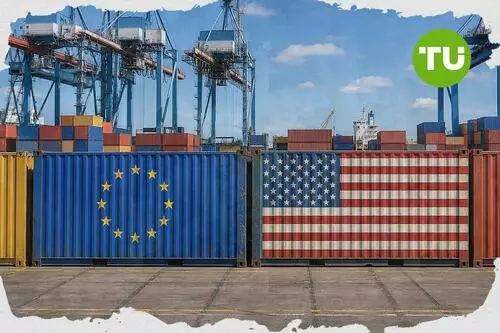
A key relief for Swiss companies is that competitors from the European Union also face the same 15% level of U.S. import duties, limiting any relative disadvantage for Swiss exporters.Gersbach says pharmaceuticals, by far Switzerland's biggest export sector to the United States, remain largely unaffected by the tariffs. He adds that while a few companies will suffer, most Swiss businesses should be able either to raise prices to offset the higher duties or accept slightly lower profit margins.
We have also looked at Japan’s response to proposed U.S. levies in our coverage of Japan tariff protests.






Latest Tariffs News



-
 Afghanistan
-
 Albania
-
 Algeria
-
 Angola
-
 Argentina
-
 Armenia
-
 Australia
-
 Austria
-
 Azerbaijan
-
 Bahamas
-
 Bahrain
-
 Bangladesh
-
 Belarus
-
 Belgium
-
 Bolivia
-
 Botswana
-
 Brazil
-
 Brunei
-
 Bulgaria
-
 Cambodia
-
 Cameroon
-
 Canada
-
 Chile
-
 China
-
 Colombia
-
 Congo
-
 Costa Rica
-
 Cote d'Ivoire
-
 Croatia
-
 Cuba
-
 Cyprus
-
 Czechia
-
 DR Congo
-
 Denmark
-
 Dominican Republic
-
 Ecuador
-
 Egypt
-
 El Salvador
-
 Estonia
-
 Eswatini
-
 Ethiopia
-
 Finland
-
 France
-
 Georgia
-
 Germany
-
 Ghana
-
 Greece
-
 Haiti
-
 Hong Kong
-
 Hungary
-
 India
-
 Indonesia
-
 Iran, Islamic republic
-
 Iraq
-
 Ireland
-
 Israel
-
 Italy
-
 Jamaica
-
 Japan
-
 Jordan
-
 Kazakhstan
-
 Kenya
-
 Korea
-
 Kuwait
-
 Kyrgyzstan
-
 Laos
-
 Latvia
-
 Lebanon
-
 Lesotho
-
 Libya
-
 Lithuania
-
 Luxembourg
-
 Madagascar
-
 Malaysia
-
 Malta
-
 Mauritius
-
 Mexico
-
 Moldova
-
 Mongolia
-
 Montenegro
-
 Morocco
-
 Mozambique
-
 Myanmar
-
 Namibia
-
 Nepal
-
 Netherlands
-
 New Zealand
-
 Nigeria
-
 North Macedonia
-
 Norway
-
 Oman
-
 Pakistan
-
 Palestine
-
 Panama
-
 Papua New Guinea
-
 Paraguay
-
 Peru
-
 Philippines
-
 Poland
-
 Portugal
-
 Puerto Rico
-
 Qatar
-
 Reunion
-
 Romania
-
 Rwanda
-
 Saudi Arabia
-
 Serbia
-
 Singapore
-
 Slovakia
-
 Slovenia
-
 Somalia
-
 South Africa
-
 Spain
-
 Sri Lanka
-
 Sweden
-
 Switzerland
-
 Syria
-
 Taiwan
-
 Tajikistan
-
 Tanzania
-
 Thailand
-
 Trinidad and Tobago
-
 Tunisia
-
 Turkey
-
 UAE
-
 Uganda
-
 Ukraine
-
 United Kingdom
-
United States
-
 Uruguay
-
 Uzbekistan
-
 Venezuela
-
 Vietnam
-
 Yemen
-
 Zambia
-
 Zimbabwe
- Forex
- Crypto












