

EBRD, UniCredit Bank Banja Luka launch 9 million euro green finance package in Bosnia and Herzegovina

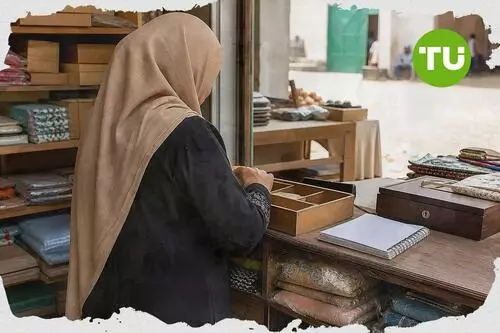
Small businesses and residential developers in Bosnia and Herzegovina will gain access to a new 9 million euro financing package for energy-efficient equipment, renewable energy and greener buildings. The funding combines support for SMEs and the housing sector, with part of the package backed by EU-funded cashback incentives for eligible projects.
Highlights
- EBRD is providing 9 million euros to UniCredit Bank Banja Luka for green finance initiatives targeting Bosnian SMEs and the residential sector.
- 5 million euros will support SME energy-efficiency and renewable investments via SME Go Green, with EU-funded cashback incentives for eligible projects.
- 4 million euros will be allocated through the GEFF programme to promote energy-efficient construction and renewable adoption in Bosnia and Herzegovina’s housing sector.
Funding structure and lending plans
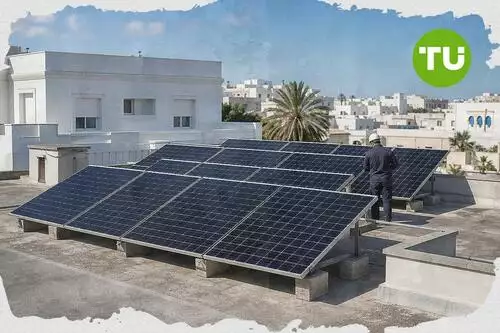
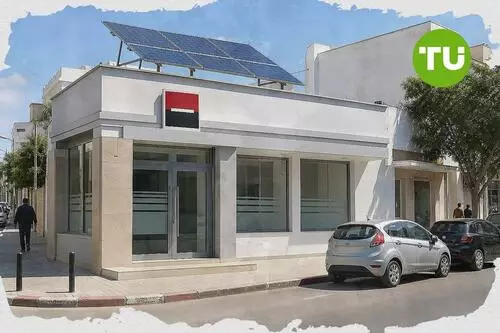
As reported by the EBRD, the bank is providing 9 million euros to UniCredit Bank Banja Luka, which will on-lend the money to eligible borrowers in Bosnia and Herzegovina under two green finance programmes.Of the total amount, 5 million euros will be directed to Small and Medium-sized Enterprises investing in energy-efficient and renewable-energy technologies through the SME Go Green programme. Companies that successfully complete eligible investments will also be able to receive cashback incentives funded by the European Union.
A further 4 million euros will be made available through the Western Balkans Green Economy Financing Facility, or GEFF, to support high-performance residential buildings as well as energy-efficiency and renewable-energy measures in the housing sector. The programme is intended to encourage more energy-efficient construction and lower-carbon building solutions for households.
Implications for Bosnia and Herzegovina's green transition
Stela Melnic, EBRD Head of Bosnia and Herzegovina, says reducing energy use in businesses and homes is part of the country's transition to a lower-carbon economy. She says the loans will finance more efficient equipment, renewable energy and upgrades to residential buildings, helping borrowers cut both energy consumption and related emissions.Spas Vidarkinsky, chief executive of UniCredit Bank Banja Luka, says the partnership is designed to widen access to financing for investments that improve energy efficiency, speed up renewable-energy adoption and strengthen long-term competitiveness. He says the bank sees the initiative as part of its broader commitment to sustainable finance and to supporting a more resilient, lower-carbon economy in Bosnia and Herzegovina.
The agreement extends long-standing cooperation between the EBRD and UniCredit Bank Banja Luka in sustainable finance. The EBRD says it has invested more than 3.4 billion euros in Bosnia and Herzegovina to date, focusing on private-sector competitiveness, green transition and sustainable infrastructure.
Our earlier report on Pakistan’s push to expand priority-sector lending outlined government targets to raise credit volumes for housing, agriculture and SMEs, alongside measures to simplify applications and speed up approvals. It also described planned regulatory reforms, risk-sharing arrangements and public-private partnerships aimed at removing structural barriers and broadening access to formal finance.








-
 Afghanistan
-
 Albania
-
 Algeria
-
 Angola
-
 Argentina
-
 Armenia
-
 Australia
-
 Austria
-
 Azerbaijan
-
 Bahamas
-
 Bahrain
-
 Bangladesh
-
 Belarus
-
 Belgium
-
 Bolivia
-
 Botswana
-
 Brazil
-
 Brunei
-
 Bulgaria
-
 Cambodia
-
 Cameroon
-
 Canada
-
 Chile
-
 China
-
 Colombia
-
 Congo
-
 Costa Rica
-
 Cote d'Ivoire
-
 Croatia
-
 Cuba
-
 Cyprus
-
 Czechia
-
 DR Congo
-
 Denmark
-
 Dominican Republic
-
 Ecuador
-
 Egypt
-
 El Salvador
-
 Estonia
-
 Eswatini
-
 Ethiopia
-
 Finland
-
 France
-
 Georgia
-
 Germany
-
 Ghana
-
 Greece
-
 Haiti
-
 Hong Kong
-
 Hungary
-
 India
-
 Indonesia
-
 Iran, Islamic republic
-
 Iraq
-
 Ireland
-
 Israel
-
 Italy
-
 Jamaica
-
 Japan
-
 Jordan
-
 Kazakhstan
-
 Kenya
-
 Korea
-
 Kuwait
-
 Kyrgyzstan
-
 Laos
-
 Latvia
-
 Lebanon
-
 Lesotho
-
 Libya
-
 Lithuania
-
 Luxembourg
-
 Madagascar
-
 Malaysia
-
 Malta
-
 Mauritius
-
 Mexico
-
 Moldova
-
 Mongolia
-
 Montenegro
-
 Morocco
-
 Mozambique
-
 Myanmar
-
 Namibia
-
 Nepal
-
 Netherlands
-
 New Zealand
-
 Nigeria
-
 North Macedonia
-
 Norway
-
 Oman
-
 Pakistan
-
 Palestine
-
 Panama
-
 Papua New Guinea
-
 Paraguay
-
 Peru
-
 Philippines
-
 Poland
-
 Portugal
-
 Puerto Rico
-
 Qatar
-
 Reunion
-
 Romania
-
 Rwanda
-
 Saudi Arabia
-
 Serbia
-
 Singapore
-
 Slovakia
-
 Slovenia
-
 Somalia
-
 South Africa
-
 Spain
-
 Sri Lanka
-
 Sweden
-
 Switzerland
-
 Syria
-
 Taiwan
-
 Tajikistan
-
 Tanzania
-
 Thailand
-
 Trinidad and Tobago
-
 Tunisia
-
 Turkey
-
 UAE
-
 Uganda
-
 Ukraine
-
 United Kingdom
-
United States
-
 Uruguay
-
 Uzbekistan
-
 Venezuela
-
 Vietnam
-
 Yemen
-
 Zambia
-
 Zimbabwe
- Forex
- Crypto












