

EBRD, EU back Egypt wind farm financing to expand renewable capacity

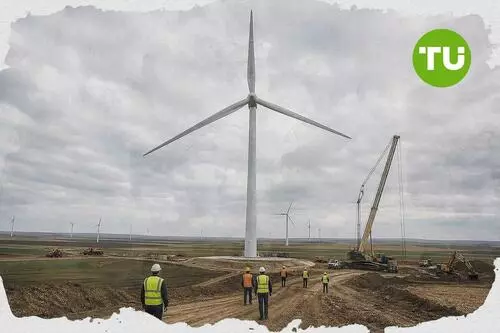
Egypt is advancing new power generation projects as it seeks to ease energy shortages and cut reliance on imported fossil fuels. A financing package of up to U.S. $145 million supports two wind farms with combined capacity of 500 MW, with the projects expected to reduce annual greenhouse gas emissions by about 979,700 tonnes of CO2 equivalent.
Highlights
- EBRD is lending up to $75 million to Niat for Wind Energy and up to $70 million to Alcazar Rasgha Energy for two 500 MW wind farms in Egypt.
- The financing package, co-financed by EIB and DEG and underpinned by an EU first-loss risk cover, aligns with the EU-Egypt Strategic and Comprehensive Partnership and the Pact for the Mediterranean.
- Siemens Gamesa Renewable Energy returns as a turbine supplier and maintenance contractor, broadening Egypt’s renewables supplier base and increasing sector competition.
Financing package supports two 500 MW projects
According to the European Bank for Reconstruction and Development, it is providing two loans of up to U.S. $75 million and up to U.S. $70 million to Niat for Wind Energy and Alcazar Rasgha Energy, respectively, for the development, construction and operation of the wind farms.Both companies are special-purpose vehicles owned by Alcazar Energy Partners II, a clean energy investment fund. The projects are also being co-financed by the European Investment Bank and Germany's development finance institution DEG.
The financing benefits from first-loss risk cover from the European Union under the European Fund for Sustainable Development Plus HI-BAR programme. The project also aligns with the EU-Egypt Strategic and Comprehensive Partnership and the Pact for the Mediterranean, including its T-MED clean energy initiative.
Energy security and supply chain impact in Egypt
The new wind farms are intended to support Egypt's efforts to address power shortages, attract private-sector investment and build a more resilient electricity system. The EBRD's Sustainable Infrastructure Group said the agreement is aimed at strengthening energy security, lowering energy costs and advancing the country's long-term renewable energy goals.EU Ambassador to Egypt Angelina Eichhorst said the EU guarantee and T-MED initiative help turn cooperation into new wind capacity and a more secure energy future for Egypt. The agreement also marks the return of Siemens Gamesa Renewable Energy to the Egyptian market as a turbine supplier and operations and maintenance contractor, a step expected to broaden the supplier base and increase competition in the renewable energy sector.
The EBRD says it has invested more than 16 billion euros across 238 projects in Egypt to date, with most of that funding directed to the private sector.
Our earlier analysis of Mario Draghi’s warning on the macro-policy trade-off explained how aggressive debt control and inflation fighting can end up suppressing the long-term investment needed to strengthen resilience and productivity. It also highlighted his call for keeping interest rates only as high as necessary for price stability, while using EU-level measures—such as deeper market integration and targeted budget support—to de-risk strategic investment and sustain growth.






Latest EBRD News


-
 Afghanistan
-
 Albania
-
 Algeria
-
 Angola
-
 Argentina
-
 Armenia
-
 Australia
-
 Austria
-
 Azerbaijan
-
 Bahamas
-
 Bahrain
-
 Bangladesh
-
 Belarus
-
 Belgium
-
 Bolivia
-
 Botswana
-
 Brazil
-
 Brunei
-
 Bulgaria
-
 Cambodia
-
 Cameroon
-
 Canada
-
 Chile
-
 China
-
 Colombia
-
 Congo
-
 Costa Rica
-
 Cote d'Ivoire
-
 Croatia
-
 Cuba
-
 Cyprus
-
 Czechia
-
 DR Congo
-
 Denmark
-
 Dominican Republic
-
 Ecuador
-
 Egypt
-
 El Salvador
-
 Estonia
-
 Eswatini
-
 Ethiopia
-
 Finland
-
 France
-
 Georgia
-
 Germany
-
 Ghana
-
 Greece
-
 Haiti
-
 Hong Kong
-
 Hungary
-
 India
-
 Indonesia
-
 Iran, Islamic republic
-
 Iraq
-
 Ireland
-
 Israel
-
 Italy
-
 Jamaica
-
 Japan
-
 Jordan
-
 Kazakhstan
-
 Kenya
-
 Korea
-
 Kuwait
-
 Kyrgyzstan
-
 Laos
-
 Latvia
-
 Lebanon
-
 Lesotho
-
 Libya
-
 Lithuania
-
 Luxembourg
-
 Madagascar
-
 Malaysia
-
 Malta
-
 Mauritius
-
 Mexico
-
 Moldova
-
 Mongolia
-
 Montenegro
-
 Morocco
-
 Mozambique
-
 Myanmar
-
 Namibia
-
 Nepal
-
 Netherlands
-
 New Zealand
-
 Nigeria
-
 North Macedonia
-
 Norway
-
 Oman
-
 Pakistan
-
 Palestine
-
 Panama
-
 Papua New Guinea
-
 Paraguay
-
 Peru
-
 Philippines
-
 Poland
-
 Portugal
-
 Puerto Rico
-
 Qatar
-
 Reunion
-
 Romania
-
 Rwanda
-
 Saudi Arabia
-
 Serbia
-
 Singapore
-
 Slovakia
-
 Slovenia
-
 Somalia
-
 South Africa
-
 Spain
-
 Sri Lanka
-
 Sweden
-
 Switzerland
-
 Syria
-
 Taiwan
-
 Tajikistan
-
 Tanzania
-
 Thailand
-
 Trinidad and Tobago
-
 Tunisia
-
 Turkey
-
 UAE
-
 Uganda
-
 Ukraine
-
 United Kingdom
-
United States
-
 Uruguay
-
 Uzbekistan
-
 Venezuela
-
 Vietnam
-
 Yemen
-
 Zambia
-
 Zimbabwe
- Forex
- Crypto












