

Malta backs fiscal rebuilding and productivity reforms after IMF visit

Malta is maintaining strong economic momentum as tourism, professional services and a resilient labor market support one of the fastest-growing economies in the European Union. The latest IMF engagement highlights a policy focus on preserving that growth through stronger public finances, higher productivity and more sustainable investment.
Highlights
- IMF and Malta agreed on prioritizing fiscal buffer rebuilding while maintaining investment for growth and resilience amid global uncertainty, following Valletta discussions.
- Malta exited the European Union's Excessive Deficit Procedure and advanced in public finance and tax administration modernization with ongoing IMF collaboration.
- IMF emphasized Malta's need for structural reforms in infrastructure, skills, innovation, and technology to lift productivity and align with Malta Vision 2050 priorities.
IMF discussions focus on fiscal and reform agenda
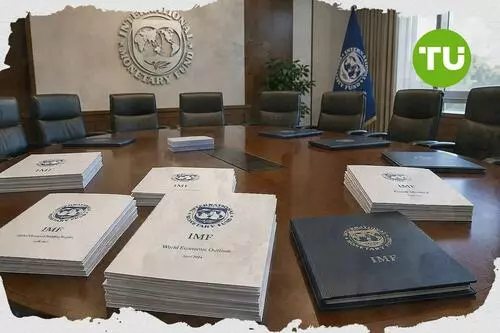
As reported by the International Monetary Fund, Deputy Managing Director Kenji Okamura says discussions in Valletta center on how Malta can sustain strong economic performance in a more uncertain global environment. He says both sides agree on the importance of rebuilding fiscal buffers while preserving room for investments that support growth and resilience.Okamura says he welcomes Malta's progress in strengthening public finances, including its exit from the European Union's Excessive Deficit Procedure, and in modernizing tax administration with continued IMF collaboration. He also thanks Prime Minister Robert Abela, Finance and Employment Minister Clyde Caruana, Central Bank Governor Alexander Demarco and other senior officials for the talks.
Tourism and higher-value sectors shape growth outlook
Okamura says structural reforms remain necessary to lift productivity and support longer-term growth. He identifies infrastructure and skills constraints, innovation, technological adoption and the shift toward higher-value-added activity under Malta Vision 2050 as core priorities.During the visit, he also reviews developments in tourism and advanced manufacturing, pointing to efforts to make tourism more sustainable and to strengthen competitiveness in higher-value industries. The IMF says it looks forward to continuing close engagement with Maltese authorities as they work to build a more resilient and sustainable economy.
The latest update follows our earlier article on IMF monitoring report findings on progress against board-endorsed recommendations and slippages risks.






Latest IMF News


-
 Afghanistan
-
 Albania
-
 Algeria
-
 Angola
-
 Argentina
-
 Armenia
-
 Australia
-
 Austria
-
 Azerbaijan
-
 Bahamas
-
 Bahrain
-
 Bangladesh
-
 Belarus
-
 Belgium
-
 Bolivia
-
 Botswana
-
 Brazil
-
 Brunei
-
 Bulgaria
-
 Cambodia
-
 Cameroon
-
 Canada
-
 Chile
-
 China
-
 Colombia
-
 Congo
-
 Costa Rica
-
 Cote d'Ivoire
-
 Croatia
-
 Cuba
-
 Cyprus
-
 Czechia
-
 DR Congo
-
 Denmark
-
 Dominican Republic
-
 Ecuador
-
 Egypt
-
 El Salvador
-
 Estonia
-
 Eswatini
-
 Ethiopia
-
 Finland
-
 France
-
 Georgia
-
 Germany
-
 Ghana
-
 Greece
-
 Haiti
-
 Hong Kong
-
 Hungary
-
 India
-
 Indonesia
-
 Iran, Islamic republic
-
 Iraq
-
 Ireland
-
 Israel
-
 Italy
-
 Jamaica
-
 Japan
-
 Jordan
-
 Kazakhstan
-
 Kenya
-
 Korea
-
 Kuwait
-
 Kyrgyzstan
-
 Laos
-
 Latvia
-
 Lebanon
-
 Lesotho
-
 Libya
-
 Lithuania
-
 Luxembourg
-
 Madagascar
-
 Malaysia
-
 Malta
-
 Mauritius
-
 Mexico
-
 Moldova
-
 Mongolia
-
 Montenegro
-
 Morocco
-
 Mozambique
-
 Myanmar
-
 Namibia
-
 Nepal
-
 Netherlands
-
 New Zealand
-
 Nigeria
-
 North Macedonia
-
 Norway
-
 Oman
-
 Pakistan
-
 Palestine
-
 Panama
-
 Papua New Guinea
-
 Paraguay
-
 Peru
-
 Philippines
-
 Poland
-
 Portugal
-
 Puerto Rico
-
 Qatar
-
 Reunion
-
 Romania
-
 Rwanda
-
 Saudi Arabia
-
 Serbia
-
 Singapore
-
 Slovakia
-
 Slovenia
-
 Somalia
-
 South Africa
-
 Spain
-
 Sri Lanka
-
 Sweden
-
 Switzerland
-
 Syria
-
 Taiwan
-
 Tajikistan
-
 Tanzania
-
 Thailand
-
 Trinidad and Tobago
-
 Tunisia
-
 Turkey
-
 UAE
-
 Uganda
-
 Ukraine
-
 United Kingdom
-
United States
-
 Uruguay
-
 Uzbekistan
-
 Venezuela
-
 Vietnam
-
 Yemen
-
 Zambia
-
 Zimbabwe
- Forex
- Crypto












