

Dominican Republic faces reform push as IMF backs 2026 growth outlook

The Dominican Republic is posting a strong rebound in 2026 after slower growth last year, with tourism, financial services and construction supporting economic activity. Fiscal pressures from higher energy costs and persistent inflation risks are keeping reform efforts focused on subsidies, budget discipline and medium-term productivity gains.
Highlights
- IMF projects Dominican Republic real GDP growth at 4.6% in 2026 after a 2.1% slowdown in 2025, emphasizing dependency on fiscal reforms.
- November 2026 draft budget foresees a 4.2% of GDP deficit and use of the Fiscal Responsibility Law's escape clause due to elevated subsidy costs.
- IMF urges targeted subsidy reforms, automatic fuel pricing, and electricity sector changes, while targeting a 3.4% of GDP deficit and 40% debt ratio by 2035.
IMF mission outlines policy priorities
As reported by the International Monetary Fund, staff concluding the 2026 Article IV mission says the Dominican Republic's outlook remains favorable but increasingly depends on reforms to protect fiscal credibility and sustain growth.The IMF said real GDP growth reaches 4.6% in the first three quarters of 2026, after slowing to 2.1% in 2025. It said inflation has stayed above the Central Bank of the Dominican Republic's target band since April 2026 because of higher global fuel prices, although price pressures have moderated and inflation expectations remain anchored.
The Fund said the monetary policy stance is broadly appropriate, with the central bank ready to tighten further if inflationary pressures intensify. It also backed the continuation of the floating exchange rate regime, saying it should remain a key shock absorber while foreign exchange intervention stays limited to smoothing large shocks.
On public finances, the IMF said higher fuel and electricity subsidies have added to fiscal strain as global energy prices rise. It noted that a fiscal reform package adopted in June 2026 should support growth and limit the impact of higher fuel prices, but that the full revenue effect is only expected from 2027.
Fiscal and structural reforms remain central
The revised draft budget for November 2026 envisages an overall fiscal deficit of 4.2% of GDP, 1 percentage point above the original budget, according to the statement. The authorities have also proposed activating the escape clause under the Fiscal Responsibility Law because real primary spending growth exceeds the law's limit.The IMF said near-term policy should prioritize reducing subsidy costs through an automatic fuel pricing mechanism and more targeted support for vulnerable households. It also called for renewed electricity sector reforms, including better-targeted subsidies, gradual tariff adjustments and lower distribution losses, to create room for investment and improve resilience.
For 2027, the Fund said meeting the budget deficit target of 3.4% of GDP and fully implementing the Fiscal Responsibility Law would help keep public debt on a downward path, with a 40% of GDP debt target by 2035. It added that contingency planning remains important given limited fiscal buffers and elevated global uncertainty.
Over the medium term, the IMF said the country should deepen financial markets, improve tax administration, advance central bank recapitalization and strengthen bank and cooperative supervision in line with Basel standards. It also said reforms to boost labor force participation, reduce informality, improve education, healthcare and infrastructure, diversify exports and strengthen climate resilience are essential as demographic tailwinds fade and the economy aims to sustain high potential growth.
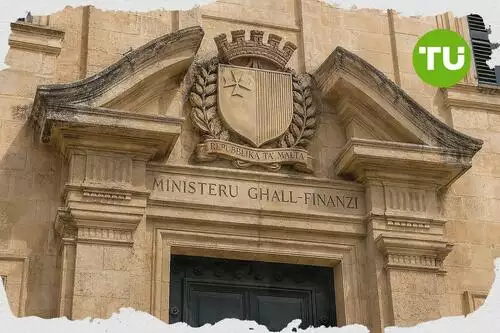
This adds to earlier discussion around Malta fiscal reforms highlighted after an IMF visit focused on rebuilding buffers and boosting productivity.






Latest IMF News



-
 Afghanistan
-
 Albania
-
 Algeria
-
 Angola
-
 Argentina
-
 Armenia
-
 Australia
-
 Austria
-
 Azerbaijan
-
 Bahamas
-
 Bahrain
-
 Bangladesh
-
 Belarus
-
 Belgium
-
 Bolivia
-
 Botswana
-
 Brazil
-
 Brunei
-
 Bulgaria
-
 Cambodia
-
 Cameroon
-
 Canada
-
 Chile
-
 China
-
 Colombia
-
 Congo
-
 Costa Rica
-
 Cote d'Ivoire
-
 Croatia
-
 Cuba
-
 Cyprus
-
 Czechia
-
 DR Congo
-
 Denmark
-
 Dominican Republic
-
 Ecuador
-
 Egypt
-
 El Salvador
-
 Estonia
-
 Eswatini
-
 Ethiopia
-
 Finland
-
 France
-
 Georgia
-
 Germany
-
 Ghana
-
 Greece
-
 Haiti
-
 Hong Kong
-
 Hungary
-
 India
-
 Indonesia
-
 Iran, Islamic republic
-
 Iraq
-
 Ireland
-
 Israel
-
 Italy
-
 Jamaica
-
 Japan
-
 Jordan
-
 Kazakhstan
-
 Kenya
-
 Korea
-
 Kuwait
-
 Kyrgyzstan
-
 Laos
-
 Latvia
-
 Lebanon
-
 Lesotho
-
 Libya
-
 Lithuania
-
 Luxembourg
-
 Madagascar
-
 Malaysia
-
 Malta
-
 Mauritius
-
 Mexico
-
 Moldova
-
 Mongolia
-
 Montenegro
-
 Morocco
-
 Mozambique
-
 Myanmar
-
 Namibia
-
 Nepal
-
 Netherlands
-
 New Zealand
-
 Nigeria
-
 North Macedonia
-
 Norway
-
 Oman
-
 Pakistan
-
 Palestine
-
 Panama
-
 Papua New Guinea
-
 Paraguay
-
 Peru
-
 Philippines
-
 Poland
-
 Portugal
-
 Puerto Rico
-
 Qatar
-
 Reunion
-
 Romania
-
 Rwanda
-
 Saudi Arabia
-
 Serbia
-
 Singapore
-
 Slovakia
-
 Slovenia
-
 Somalia
-
 South Africa
-
 Spain
-
 Sri Lanka
-
 Sweden
-
 Switzerland
-
 Syria
-
 Taiwan
-
 Tajikistan
-
 Tanzania
-
 Thailand
-
 Trinidad and Tobago
-
 Tunisia
-
 Turkey
-
 UAE
-
 Uganda
-
 Ukraine
-
 United Kingdom
-
United States
-
 Uruguay
-
 Uzbekistan
-
 Venezuela
-
 Vietnam
-
 Yemen
-
 Zambia
-
 Zimbabwe
- Forex
- Crypto












