

Indian mutual funds halt bulk gold ETF subscriptions ahead of festive demand

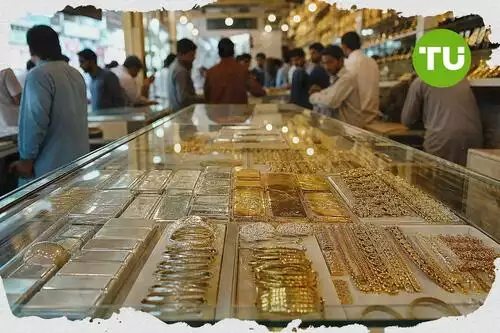
Several large Indian mutual funds have suspended bulk subscriptions to gold exchange-traded funds just before the festive buying season, when demand for the metal typically strengthens. The move comes as pressure on the rupee and concern over import costs keep gold flows in focus, although investors can still redeem existing holdings.
Highlights
- Indian mutual funds including Kotak Mahindra, UTI, and HDFC temporarily halted bulk subscriptions to gold ETFs following regulatory discussions ahead of the festive demand season.
- The Indian rupee remains under pressure due to high global oil prices and equity outflows, with the government raising gold and silver import duties earlier this year to manage the trade deficit.
- India's gold imports declined to $1.8 billion in September from $2.3 billion in August, with gold and silver ETF inflows previously surging during last year's festive season.
Fund houses curb fresh bulk inflows
As reported by Reuters, fund houses including Kotak Mahindra Mutual Fund, UTI Mutual Fund and HDFC Mutual Fund issued public notices late on Thursday pausing bulk subscriptions to gold ETFs. The notices do not give a reason for the decision, and there is no restriction on redemptions from these funds.The step follows a nudge from the Securities and Exchange Board of India, according to a mutual fund executive familiar with the discussions. Two bullion industry officials also say the halt follows discussions with the market regulator, while a spokesperson for SEBI does not respond to a request for comment outside business hours.
The sources decline to be identified because they are not permitted to comment on talks with the regulator. The suspension arrives ahead of Dussehra in October and Diwali in early November, periods when buying gold is widely considered auspicious in India.
Rupee pressure keeps gold imports under scrutiny
The Indian rupee has been under pressure this year as higher global oil prices lift the country's import bill and foreign investors sell Indian equities heavily. Strong demand for gold has added to the strain on the currency, prompting the government earlier this year to raise import duties on gold and silver.India is the world's largest consumer of silver and the second-largest consumer of gold, and it depends on imports for most of its needs. That reliance can widen the trade deficit, although gold imports fall to $1.8 billion in September from $2.3 billion in August.
Inflows into gold and silver ETFs surge during last year's festive season as investors turn to precious metals amid weak stock market returns. One dealer at a private bank that supplies bullion to ETFs says the latest step appears to be a precautionary measure to avoid a spike in imports in October, even though gold and silver imports have fallen sharply over the past two months from a year earlier and have not contributed to the trade deficit.
In our earlier article on the Reserve Bank of India’s rupee-defence operations, we explained that the central bank has drawn down a large part of the foreign-exchange buffer it raised through special measures introduced on June 8. We noted that persistent pressure from higher oil prices, rising global yields and foreign equity outflows has pushed the RBI to step up interventions and add measures aimed at curbing dollar demand, while analysts flag a potential market threshold around 97 per U.S. dollar.





Latest Gold News




-
 Afghanistan
-
 Albania
-
 Algeria
-
 Angola
-
 Argentina
-
 Armenia
-
 Australia
-
 Austria
-
 Azerbaijan
-
 Bahamas
-
 Bahrain
-
 Bangladesh
-
 Belarus
-
 Belgium
-
 Bolivia
-
 Botswana
-
 Brazil
-
 Brunei
-
 Bulgaria
-
 Cambodia
-
 Cameroon
-
 Canada
-
 Chile
Chile
-
 China
China
-
 Colombia
-
 Congo
Congo
-
 Costa Rica
-
 Cote d'Ivoire
-
 Croatia
-
 Cuba
Cuba
-
 Cyprus
-
 Czechia
-
 DR Congo
-
 Denmark
-
 Dominican Republic
-
 Ecuador
-
 Egypt
Egypt
-
 El Salvador
-
 Estonia
-
 Eswatini
-
 Ethiopia
-
 Finland
-
 France
-
 Georgia
-
 Germany
-
 Ghana
Ghana
-
 Greece
-
 Haiti
Haiti
-
 Hong Kong
-
 Hungary
-
 India
India
-
 Indonesia
-
 Iran, Islamic republic
-
 Iraq
Iraq
-
 Ireland
-
 Israel
-
 Italy
Italy
-
 Jamaica
-
 Japan
Japan
-
 Jordan
-
 Kazakhstan
-
 Kenya
Kenya
-
 Korea
Korea
-
 Kuwait
-
 Kyrgyzstan
-
 Laos
Laos
-
 Latvia
-
 Lebanon
-
 Lesotho
-
 Libya
Libya
-
 Lithuania
-
 Luxembourg
-
 Madagascar
-
 Malaysia
-
 Malta
Malta
-
 Mauritius
-
 Mexico
-
 Moldova
-
 Mongolia
-
 Montenegro
-
 Morocco
-
 Mozambique
-
 Myanmar
-
 Namibia
-
 Nepal
Nepal
-
 Netherlands
-
 New Zealand
-
 Nigeria
-
 North Macedonia
-
 Norway
-
 Oman
Oman
-
 Pakistan
-
 Palestine
-
 Panama
-
 Papua New Guinea
-
 Paraguay
-
 Peru
Peru
-
 Philippines
-
 Poland
-
 Portugal
-
 Puerto Rico
-
 Qatar
Qatar
-
 Reunion
-
 Romania
-
 Rwanda
-
 Saudi Arabia
-
 Serbia
-
 Singapore
-
 Slovakia
-
 Slovenia
-
 Somalia
-
 South Africa
-
 Spain
Spain
-
 Sri Lanka
-
 Sweden
-
 Switzerland
-
 Syria
Syria
-
 Taiwan
-
 Tajikistan
-
 Tanzania
-
 Thailand
-
 Trinidad and Tobago
-
 Tunisia
-
 Turkey
-
 UAE
UAE
-
 Uganda
-
 Ukraine
-
 United Kingdom
-
United States
-
 Uruguay
-
 Uzbekistan
-
 Venezuela
-
 Vietnam
-
 Yemen
Yemen
-
 Zambia
-
 Zimbabwe
- Forex
- Crypto












