

Philippines port congestion order nears signing as holiday cargo buildup approaches

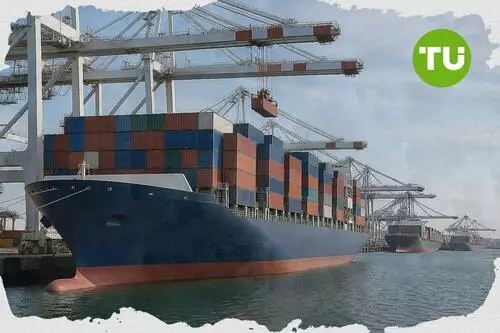
Philippine authorities are moving to put new port congestion measures in place before cargo volumes rise toward the year-end holiday season. The planned joint administrative order targets yard utilization and transparency in cargo-handling charges across the country’s logistics chain.
Highlights
- A joint administrative order to ease Philippines port congestion may be signed next week if agencies submit no substantial changes by week’s end.
- The order involves multiple agencies and targets yard utilization and transparency in third-party customs and logistics provider charges ahead of expected holiday cargo surges.
- As of 7 a.m. Wednesday, the Bureau of Customs' Port of Manila reported a 73% yard utilization rate, with congestion raising logistics costs and impacting revenue collections.
Inter-agency order advances toward approval
As reported by BusinessWorld Online, the Department of Finance says a joint administrative order could be signed next week if agencies consulted submit no substantial changes before the deadline set for the end of this week.Finance Undersecretary Rolando T. Ligon, Jr. says the measure is designed to ease port congestion and speed implementation before the expected surge in cargo volumes later this year. He says the Department of Finance has already signed the order and is waiting for comments from the other agencies so enforcement can begin.
The order is set to be jointly issued by the Department of Finance, the Department of Trade and Industry, the Department of Transportation, the Bureau of Customs, the Bureau of Internal Revenue, the Philippine Ports Authority, the Maritime Industry Authority, and the Philippine Competition Commission. It seeks to address yard utilization and improve transparency in charges imposed by customs third parties and other logistics providers.
Logistics costs and port operations in focus
Customs Commissioner Ariel F. Nepomuceno says collections remain on track, but ports continue to face congestion, making formal approval of the order urgent. He adds that implementation has taken longer because the Department of Finance sought stakeholder input during drafting rather than bypass substantial comments.Nepomuceno says congestion can delay processing and raise logistics costs, pointing to a recent decline in collections caused by non-filing by some customs brokers in early October as an example of how disruptions can affect port activity. He cites a shortage of container yards, the country’s heavy reliance on imports, and limited transparency in shipping line charges as key factors behind congestion.
As of 7 a.m. Wednesday, the Bureau of Customs' Port of Manila reports an overall yard utilization rate of 73%.
Our earlier report on the conflict-driven surge in crude oil shipping costs explained how heightened risks on key tanker routes have pushed freight and insurance rates sharply higher, making transport a much larger share of the final oil price. We also noted that import-reliant markets, including the Philippines, could feel the impact most acutely as higher freight costs filter through to fuel and broader consumer prices.






Latest Supply Chain News



-
 Afghanistan
-
 Albania
-
 Algeria
-
 Angola
-
 Argentina
-
 Armenia
-
 Australia
-
 Austria
-
 Azerbaijan
-
 Bahamas
-
 Bahrain
-
 Bangladesh
-
 Belarus
-
 Belgium
-
 Bolivia
-
 Botswana
-
 Brazil
-
 Brunei
-
 Bulgaria
-
 Cambodia
-
 Cameroon
-
 Canada
-
 Chile
-
 China
-
 Colombia
-
 Congo
-
 Costa Rica
-
 Cote d'Ivoire
-
 Croatia
-
 Cuba
-
 Cyprus
-
 Czechia
-
 DR Congo
-
 Denmark
-
 Dominican Republic
-
 Ecuador
-
 Egypt
-
 El Salvador
-
 Estonia
-
 Eswatini
-
 Ethiopia
-
 Finland
-
 France
-
 Georgia
-
 Germany
-
 Ghana
-
 Greece
-
 Haiti
-
 Hong Kong
-
 Hungary
-
 India
-
 Indonesia
-
 Iran, Islamic republic
-
 Iraq
-
 Ireland
-
 Israel
-
 Italy
-
 Jamaica
-
 Japan
-
 Jordan
-
 Kazakhstan
-
 Kenya
-
 Korea
-
 Kuwait
-
 Kyrgyzstan
-
 Laos
-
 Latvia
-
 Lebanon
-
 Lesotho
-
 Libya
-
 Lithuania
-
 Luxembourg
-
 Madagascar
-
 Malaysia
-
 Malta
-
 Mauritius
-
 Mexico
-
 Moldova
-
 Mongolia
-
 Montenegro
-
 Morocco
-
 Mozambique
-
 Myanmar
-
 Namibia
-
 Nepal
-
 Netherlands
-
 New Zealand
-
 Nigeria
-
 North Macedonia
-
 Norway
-
 Oman
-
 Pakistan
-
 Palestine
-
 Panama
-
 Papua New Guinea
-
 Paraguay
-
 Peru
-
 Philippines
-
 Poland
-
 Portugal
-
 Puerto Rico
-
 Qatar
-
 Reunion
-
 Romania
-
 Rwanda
-
 Saudi Arabia
-
 Serbia
-
 Singapore
-
 Slovakia
-
 Slovenia
-
 Somalia
-
 South Africa
-
 Spain
-
 Sri Lanka
-
 Sweden
-
 Switzerland
-
 Syria
-
 Taiwan
-
 Tajikistan
-
 Tanzania
-
 Thailand
-
 Trinidad and Tobago
-
 Tunisia
-
 Turkey
-
 UAE
-
 Uganda
-
 Ukraine
-
 United Kingdom
-
United States
-
 Uruguay
-
 Uzbekistan
-
 Venezuela
-
 Vietnam
-
 Yemen
-
 Zambia
-
 Zimbabwe
- Forex
- Crypto












