

ECB policymakers signal December rate rise, then pause as bond yields weigh on outlook

Euro zone rate-setters are expected to raise borrowing costs again in December as the European Central Bank keeps pressure on energy-driven inflation. Policymakers then see room to pause because higher bond yields are likely to curb both economic growth and price pressures in the years ahead.
Highlights
- ECB policymakers signal a probable rate hike to 2.75% on December 17, citing persistent inflation risks from rising energy costs.
- Three ECB officials tell Reuters a December hike is almost certain barring a sudden collapse in energy prices.
- Recent bond yield increases are projected by the ECB to reduce euro zone growth by 100 basis points and inflation by 90 basis points through 2027–2028.
December move firms as inflation risks persist
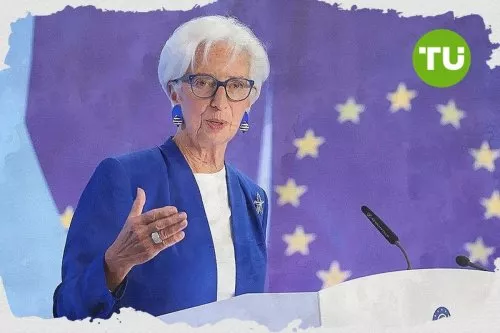
As reported by Reuters, the ECB keeps interest rates unchanged at its latest meeting, but President Christine Lagarde signals another increase could come on December 17 as high and rising energy costs continue to fuel inflation risks.Three policymakers who speak to Reuters after the meeting say a hike is all but certain, unless energy prices suddenly collapse. Such a move would lift the ECB's deposit rate to 2.75%.
Higher market yields reshape growth and inflation outlook
Officials expect that increase to be followed by a pause, as a recent rise in bond yields is set to slow the euro zone economy and reduce inflation pressure.ECB estimates circulated before Thursday's meeting show the jump in bond yields would cut economic growth by a cumulative 100 basis points and lower inflation by 90 basis points in 2027 and 2028 compared with the September baseline projection. An ECB spokesperson declines to comment.
Our earlier article on Mario Draghi’s warning about restrictive policy outlined how keeping interest rates above growth for too long can worsen debt dynamics and intensify pressure on central banks. We noted his argument that inflation control should remain the priority, but rate paths should be no higher than necessary to preserve investment, productivity, and long-term growth—an issue made more acute when markets reprice borrowing costs and expected rate trajectories.






Latest ECB News




-
 Afghanistan
-
 Albania
-
 Algeria
-
 Angola
-
 Argentina
-
 Armenia
-
 Australia
-
 Austria
-
 Azerbaijan
-
 Bahamas
-
 Bahrain
-
 Bangladesh
-
 Belarus
-
 Belgium
-
 Bolivia
-
 Botswana
-
 Brazil
-
 Brunei
-
 Bulgaria
-
 Cambodia
-
 Cameroon
-
 Canada
-
 Chile
-
 China
-
 Colombia
-
 Congo
-
 Costa Rica
-
 Cote d'Ivoire
-
 Croatia
-
 Cuba
-
 Cyprus
-
 Czechia
-
 DR Congo
-
 Denmark
-
 Dominican Republic
-
 Ecuador
-
 Egypt
-
 El Salvador
-
 Estonia
-
 Eswatini
-
 Ethiopia
-
 Finland
-
 France
-
 Georgia
-
 Germany
-
 Ghana
-
 Greece
-
 Haiti
-
 Hong Kong
-
 Hungary
-
 India
-
 Indonesia
-
 Iran, Islamic republic
-
 Iraq
-
 Ireland
-
 Israel
-
 Italy
-
 Jamaica
-
 Japan
-
 Jordan
-
 Kazakhstan
-
 Kenya
-
 Korea
-
 Kuwait
-
 Kyrgyzstan
-
 Laos
-
 Latvia
-
 Lebanon
-
 Lesotho
-
 Libya
-
 Lithuania
-
 Luxembourg
-
 Madagascar
-
 Malaysia
-
 Malta
-
 Mauritius
-
 Mexico
-
 Moldova
-
 Mongolia
-
 Montenegro
-
 Morocco
-
 Mozambique
-
 Myanmar
-
 Namibia
-
 Nepal
-
 Netherlands
-
 New Zealand
-
 Nigeria
-
 North Macedonia
-
 Norway
-
 Oman
-
 Pakistan
-
 Palestine
-
 Panama
-
 Papua New Guinea
-
 Paraguay
-
 Peru
-
 Philippines
-
 Poland
-
 Portugal
-
 Puerto Rico
-
 Qatar
-
 Reunion
-
 Romania
-
 Rwanda
-
 Saudi Arabia
-
 Serbia
-
 Singapore
-
 Slovakia
-
 Slovenia
-
 Somalia
-
 South Africa
-
 Spain
-
 Sri Lanka
-
 Sweden
-
 Switzerland
-
 Syria
-
 Taiwan
-
 Tajikistan
-
 Tanzania
-
 Thailand
-
 Trinidad and Tobago
-
 Tunisia
-
 Turkey
-
 UAE
-
 Uganda
-
 Ukraine
-
 United Kingdom
-
United States
-
 Uruguay
-
 Uzbekistan
-
 Venezuela
-
 Vietnam
-
 Yemen
-
 Zambia
-
 Zimbabwe
- Forex
- Crypto












