

FERC highlights first-year infrastructure approvals and grid reliability actions

The Federal Energy Regulatory Commission is outlining a year of approvals and policy actions as it pushes to expand U.S. energy infrastructure and strengthen power system reliability. The review covers natural gas, LNG, hydropower and grid oversight measures that the agency says are aimed at supporting lower-cost electricity for consumers.
Highlights
- FERC approved 61 natural gas infrastructure projects totaling 20.5 Bcf/d capacity, 1,206 miles of pipeline, and 1.12 Bcf/d LNG export capacity in the past year.
- Nine hydropower licenses totaling 1,989 MW and 56,713 MW of new U.S. generating capacity were added during Chairman Laura V. Swett’s first year.
- FERC implemented historic penalties for energy fraud, issued a new oil pipeline index, and launched grid operator reform and consumer protection policies.
Year-one regulatory actions across energy assets
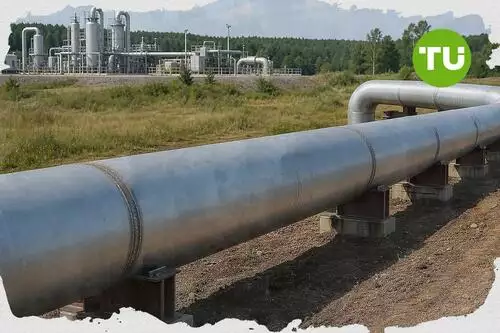
As reported by Federal Energy Regulatory Commission, Chairman Laura V. Swett is marking her first year leading the agency by pointing to a broad set of approvals and reforms across gas, power and hydropower regulation.Over the past year, the commission approved 61 natural gas infrastructure projects designed to deliver 20.5 Bcf/d of capacity, including 1,206 miles of pipeline and 1,071,762 horsepower of pipeline compression. It also approved 19 natural gas storage projects adding 93.8 Bcf of working gas capacity, alongside LNG projects with a combined 1.12 Bcf/d of export capacity.
In power generation, FERC says it issued nine licenses for hydropower projects totaling 1,989 MW of generation, including seven relicenses and two original licenses, and added 21.6 MW at existing hydropower projects. The commission also says 56,713 MW of new U.S. generating capacity was added during the period.
Swett says the agency is focused on building needed energy infrastructure and delivering reliable power at lower cost. The commission also highlights draft and proposed policy steps, including blanket reforms for natural gas and LNG, a notice of proposed rulemaking for a blanket authorization program for LNG facilities, a blanket reform for hydropower projects, and a draft policy statement on air emissions as part of ongoing National Environmental Policy Act reform.
Grid oversight, enforcement and consumer protection agenda
Beyond project approvals, the commission says it has taken steps to tighten market oversight and update grid operations as electricity demand and connection pressures grow.Those actions include orders for grid operators to modernize and accelerate large load connections, as well as the start of grid operator governance reform that FERC says is intended to protect and benefit consumers. The agency also says it shuttered outdated and inactive dockets to improve regulatory certainty.
On enforcement and rate policy, the commission points to penalties tied to what it describes as "money-for-nothing" energy efficiency fraud by American Efficient, including a historic civil penalty in that case. It also says it issued a new oil pipeline index, provided relief on the previous 2020 index, and endorsed a Rate Payer Protection Pledge.
As noted in our earlier article, Philippines offshore wind clearance rules were tightened to broaden assessments and strengthen stakeholder safeguards for developers.






Latest Natural Gas News


-
 Afghanistan
-
 Albania
-
 Algeria
-
 Angola
-
 Argentina
-
 Armenia
-
 Australia
-
 Austria
-
 Azerbaijan
-
 Bahamas
-
 Bahrain
-
 Bangladesh
-
 Belarus
-
 Belgium
-
 Bolivia
-
 Botswana
-
 Brazil
-
 Brunei
-
 Bulgaria
-
 Cambodia
-
 Cameroon
-
 Canada
-
 Chile
-
 China
-
 Colombia
-
 Congo
-
 Costa Rica
-
 Cote d'Ivoire
-
 Croatia
-
 Cuba
-
 Cyprus
-
 Czechia
-
 DR Congo
-
 Denmark
-
 Dominican Republic
-
 Ecuador
-
 Egypt
-
 El Salvador
-
 Estonia
-
 Eswatini
-
 Ethiopia
-
 Finland
-
 France
-
 Georgia
-
 Germany
-
 Ghana
-
 Greece
-
 Haiti
-
 Hong Kong
-
 Hungary
-
 India
-
 Indonesia
-
 Iran, Islamic republic
-
 Iraq
-
 Ireland
-
 Israel
-
 Italy
-
 Jamaica
-
 Japan
-
 Jordan
-
 Kazakhstan
-
 Kenya
-
 Korea
-
 Kuwait
-
 Kyrgyzstan
-
 Laos
-
 Latvia
-
 Lebanon
-
 Lesotho
-
 Libya
-
 Lithuania
-
 Luxembourg
-
 Madagascar
-
 Malaysia
-
 Malta
-
 Mauritius
-
 Mexico
-
 Moldova
-
 Mongolia
-
 Montenegro
-
 Morocco
-
 Mozambique
-
 Myanmar
-
 Namibia
-
 Nepal
-
 Netherlands
-
 New Zealand
-
 Nigeria
-
 North Macedonia
-
 Norway
-
 Oman
-
 Pakistan
-
 Palestine
-
 Panama
-
 Papua New Guinea
-
 Paraguay
-
 Peru
-
 Philippines
-
 Poland
-
 Portugal
-
 Puerto Rico
-
 Qatar
-
 Reunion
-
 Romania
-
 Rwanda
-
 Saudi Arabia
-
 Serbia
-
 Singapore
-
 Slovakia
-
 Slovenia
-
 Somalia
-
 South Africa
-
 Spain
-
 Sri Lanka
-
 Sweden
-
 Switzerland
-
 Syria
-
 Taiwan
-
 Tajikistan
-
 Tanzania
-
 Thailand
-
 Trinidad and Tobago
-
 Tunisia
-
 Turkey
-
 UAE
-
 Uganda
-
 Ukraine
-
 United Kingdom
-
United States
-
 Uruguay
-
 Uzbekistan
-
 Venezuela
-
 Vietnam
-
 Yemen
-
 Zambia
-
 Zimbabwe
- Forex
- Crypto












