
U.S. stock futures edge higher as oil retreats amid U.S.-Iran tensions
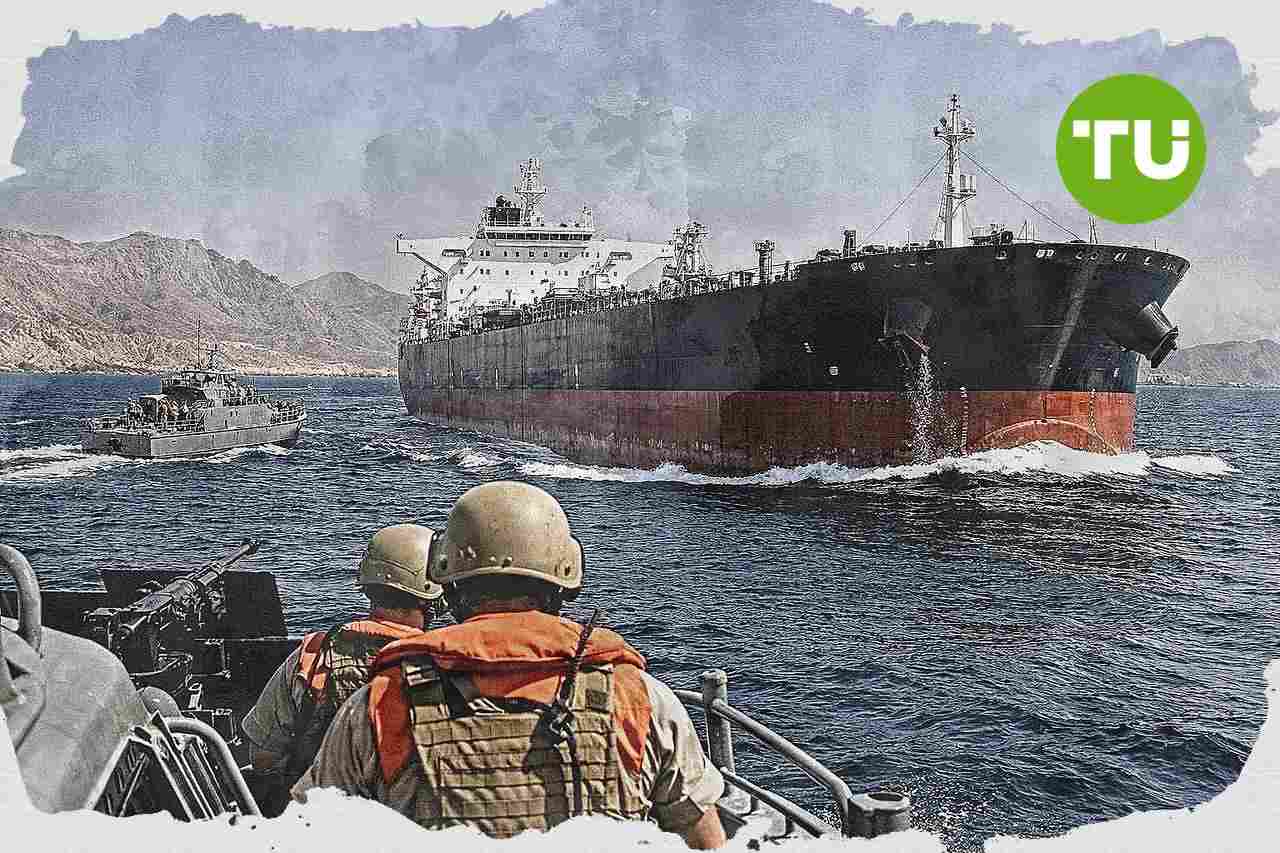
Global markets are steadying on Thursday after fresh U.S. strikes on Iran reignite geopolitical anxiety and complicate efforts to end the four-month conflict. Oil prices are easing from recent highs, but investors remain focused on risks to Middle East shipping routes and broader market volatility.
Highlights
- U.S. stock index futures rise premarket—Dow E-minis up 0.03%, S&P 500 E-minis up 0.19%, Nasdaq 100 E-minis up 0.63%—as oil falls 1% amid U.S.-Iran military escalation.
- Federal Reserve keeps rates unchanged at June meeting under Chair Kevin Warsh, but meeting minutes show some policymakers see a case for a potential rate hike this year.
- Levi Strauss shares fall 6% premarket despite raising its annual sales forecast, while investors await new jobless claims and remarks from New York Fed President John Williams.
Market moves and conflict developments
As reported by Reuters, U.S. stock index futures are ticking higher as investors weigh renewed military escalation between the U.S. and Iran against a pullback in crude prices.The U.S. military says it launched new strikes on Iran on Wednesday to keep the Strait of Hormuz open to shipping. Iran responds with attacks on Kuwait and Bahrain, deepening a confrontation that threatens already fragile ceasefire efforts.
The escalation follows comments from President Donald Trump, who says he believes an interim ceasefire with Iran is "over." Oil futures fall about 1% on Thursday after touching two-week highs following those remarks.
At 5:27 a.m. ET, Dow E-minis are up 14 points, or 0.03%, S&P 500 E-minis rise 14 points, or 0.19%, and Nasdaq 100 E-minis gain 186 points, or 0.63%.
Rate outlook and investor focus
The renewed tensions are pushing stock investors to reassess recent optimism that an eventual resolution could support risk assets. The S&P 500 and Dow finish Wednesday lower, while the Nasdaq posts a marginal gain.Lower crude prices on the day help steady sentiment, but investors remain alert to inflation risks if disruption to Middle East energy routes persists. Mark Haefele, chief investment officer at UBS Global Wealth Management, says both sides remain incentivized to keep the Strait of Hormuz open, even if the path toward a lasting peace deal is likely to remain uneven.
Under new Chair Kevin Warsh, the Federal Reserve keeps interest rates unchanged at its June meeting, but minutes released on Wednesday show a few policymakers see a case for raising borrowing costs before ultimately agreeing to hold steady. Traders are pricing in at least one rate hike by the end of the year, according to LSEG data.
Investors are also watching weekly jobless claims due at 8:30 a.m. ET for further signals on the economy, while New York Fed President John Williams is scheduled to speak later in the day. In premarket trading, Levi Strauss slips 6% even after the denim maker raises its annual sales forecast.
Our earlier coverage of the fresh U.S. strikes on Iran around the Strait of Hormuz outlined how attacks on commercial shipping and a breakdown in the mid-June ceasefire quickly escalated into wider retaliation. We noted that the renewed fighting lifted Brent crude sharply and heightened the risk of supply disruptions along a key route for global oil and gas flows, adding volatility and uncertainty to energy markets.


Latest Hanwha Aerospace News







-
 Afghanistan
-
 Albania
-
 Algeria
-
 Angola
-
 Argentina
-
 Armenia
-
 Australia
-
 Austria
-
 Azerbaijan
-
 Bahamas
-
 Bahrain
-
 Bangladesh
-
 Belarus
-
 Belgium
-
 Bolivia
-
 Botswana
-
 Brazil
-
 Brunei
-
 Bulgaria
-
 Cambodia
-
 Cameroon
-
 Canada
-
 Chile
Chile
-
 China
China
-
 Colombia
-
 Congo
Congo
-
 Costa Rica
-
 Cote d'Ivoire
-
 Croatia
-
 Cuba
Cuba
-
 Cyprus
-
 Czechia
-
 DR Congo
-
 Denmark
-
 Dominican Republic
-
 Ecuador
-
 Egypt
Egypt
-
 El Salvador
-
 Estonia
-
 Eswatini
-
 Ethiopia
-
 Finland
-
 France
-
 Georgia
-
 Germany
-
 Ghana
Ghana
-
 Greece
-
 Haiti
Haiti
-
 Hong Kong
-
 Hungary
-
 India
India
-
 Indonesia
-
 Iran, Islamic republic
-
 Iraq
Iraq
-
 Ireland
-
 Israel
-
 Italy
Italy
-
 Jamaica
-
 Japan
Japan
-
 Jordan
-
 Kazakhstan
-
 Kenya
Kenya
-
 Korea
Korea
-
 Kuwait
-
 Kyrgyzstan
-
 Laos
Laos
-
 Latvia
-
 Lebanon
-
 Lesotho
-
 Libya
Libya
-
 Lithuania
-
 Luxembourg
-
 Madagascar
-
 Malaysia
-
 Malta
Malta
-
 Mauritius
-
 Mexico
-
 Moldova
-
 Mongolia
-
 Montenegro
-
 Morocco
-
 Mozambique
-
 Myanmar
-
 Namibia
-
 Nepal
Nepal
-
 Netherlands
-
 New Zealand
-
 Nigeria
-
 North Macedonia
-
 Norway
-
 Oman
Oman
-
 Pakistan
-
 Palestine
-
 Panama
-
 Papua New Guinea
-
 Paraguay
-
 Peru
Peru
-
 Philippines
-
 Poland
-
 Portugal
-
 Puerto Rico
-
 Qatar
Qatar
-
 Reunion
-
 Romania
-
 Rwanda
-
 Saudi Arabia
-
 Serbia
-
 Singapore
-
 Slovakia
-
 Slovenia
-
 Somalia
-
 South Africa
-
 Spain
Spain
-
 Sri Lanka
-
 Sweden
-
 Switzerland
-
 Syria
Syria
-
 Taiwan
-
 Tajikistan
-
 Tanzania
-
 Thailand
-
 Trinidad and Tobago
-
 Tunisia
-
 Turkey
-
 UAE
UAE
-
 Uganda
-
 Ukraine
-
 United Kingdom
-
United States
-
 Uruguay
-
 Uzbekistan
-
 Venezuela
-
 Vietnam
-
 Yemen
Yemen
-
 Zambia
-
 Zimbabwe
- Forex
- Crypto











