
White House plans utility, data center pledge on AI power costs
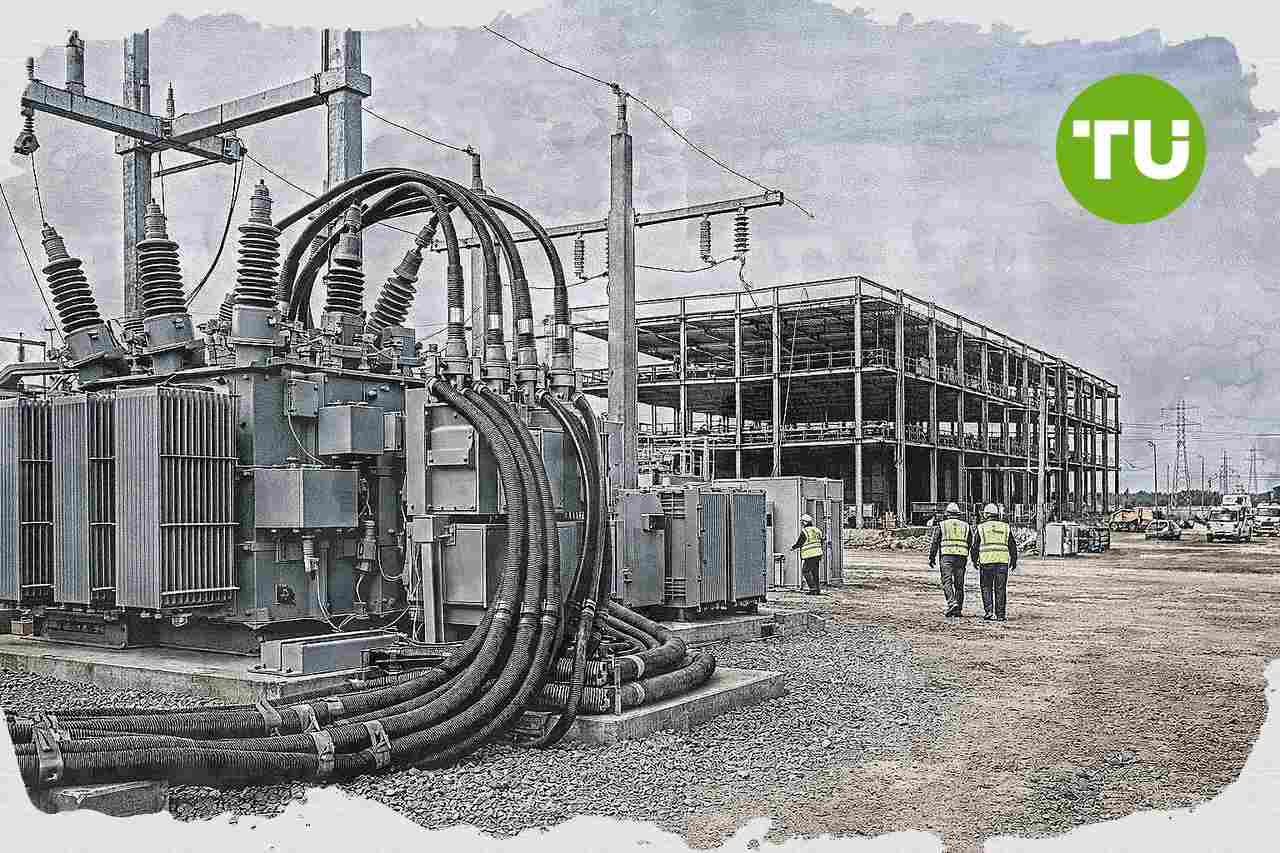
The White House is preparing a new voluntary pledge that seeks to keep the fast-rising electricity needs of artificial intelligence from pushing up power bills for households and businesses. The initiative is expected to expand earlier commitments from major technology companies by adding utilities, data center developers and state officials.
Highlights
- The White House will convene utility companies and data center developers within weeks to address shielding existing ratepayers from AI-related electricity expansion costs.
- Tech firms like Amazon, Google, Meta, Microsoft, OpenAI, Oracle, and xAI have already signed a voluntary Ratepayer Protection Pledge to finance data center-related power costs rather than shifting them to households.
- The new initiative aims to expand participant groups, including utilities and data center operators, amid rising scrutiny over whether households could be forced to subsidize AI infrastructure through higher electricity bills.
Planned White House initiative on power costs
As first reported by Reuters, the White House plans to convene utility companies and data center developers for an event in the coming weeks focused on shielding existing ratepayers from the costs of AI-related electricity expansion. Several companies are expected to take part, although the guest list is still being finalized, according to three people familiar with the plans.The administration does not respond to requests for comment in the report. The proposed event follows an earlier White House ceremony this year at which Amazon, Google, Meta, Microsoft, OpenAI, Oracle and xAI signed a voluntary Ratepayer Protection Pledge tied to their AI projects.
Under that earlier commitment, the companies agree to help finance new power generation, grid upgrades and other costs linked to their data centers, including unused reserved capacity. The White House says those steps are meant to prevent households from subsidizing AI infrastructure growth.
Pressure on utilities and consumer bills
Rising demand from power-intensive data centers is prompting regulators, consumer advocates and lawmakers in several states to warn that households could end up paying for grid upgrades needed by some of the world's largest technology groups. That scrutiny is raising questions over whether the new pledge will produce concrete obligations or remain largely symbolic.The new event is expected to broaden participation beyond Big Tech by bringing in electric utilities, companies that build and operate data centers on behalf of large technology firms, and governors from states facing the biggest power buildout needs. The White House argues that the U.S. can win the global AI race only by rapidly expanding power generation and transmission while keeping that financial burden off consumers.
As President Donald Trump's administration pushes faster AI infrastructure growth, officials are also trying to avoid political backlash over higher electricity bills. The initiative is being presented as an effort to reassure voters that AI investment and lower energy costs can coexist.
Our earlier analysis of National Grid (NG) highlighted a technical consolidation phase, with the stock trading in a tight GBX1,222–GBX1,252 range and downside risks still outweighing upside potential. We noted that while short-term buying interest was visible, broader momentum signals remained mixed, keeping focus on key resistance near GBX1,239 and the company’s defensive, dividend-focused profile amid sector headwinds.


Latest National Grid News




-
 Afghanistan
-
 Albania
-
 Algeria
-
 Angola
-
 Argentina
-
 Armenia
-
 Australia
-
 Austria
-
 Azerbaijan
-
 Bahamas
-
 Bahrain
-
 Bangladesh
-
 Belarus
-
 Belgium
-
 Bolivia
-
 Botswana
-
 Brazil
-
 Brunei
-
 Bulgaria
-
 Cambodia
-
 Cameroon
-
 Canada
-
 Chile
Chile
-
 China
China
-
 Colombia
-
 Congo
Congo
-
 Costa Rica
-
 Cote d'Ivoire
-
 Croatia
-
 Cuba
Cuba
-
 Cyprus
-
 Czechia
-
 DR Congo
-
 Denmark
-
 Dominican Republic
-
 Ecuador
-
 Egypt
Egypt
-
 El Salvador
-
 Estonia
-
 Eswatini
-
 Ethiopia
-
 Finland
-
 France
-
 Georgia
-
 Germany
-
 Ghana
Ghana
-
 Greece
-
 Haiti
Haiti
-
 Hong Kong
-
 Hungary
-
 India
India
-
 Indonesia
-
 Iran, Islamic republic
-
 Iraq
Iraq
-
 Ireland
-
 Israel
-
 Italy
Italy
-
 Jamaica
-
 Japan
Japan
-
 Jordan
-
 Kazakhstan
-
 Kenya
Kenya
-
 Korea
Korea
-
 Kuwait
-
 Kyrgyzstan
-
 Laos
Laos
-
 Latvia
-
 Lebanon
-
 Lesotho
-
 Libya
Libya
-
 Lithuania
-
 Luxembourg
-
 Madagascar
-
 Malaysia
-
 Malta
Malta
-
 Mauritius
-
 Mexico
-
 Moldova
-
 Mongolia
-
 Montenegro
-
 Morocco
-
 Mozambique
-
 Myanmar
-
 Namibia
-
 Nepal
Nepal
-
 Netherlands
-
 New Zealand
-
 Nigeria
-
 North Macedonia
-
 Norway
-
 Oman
Oman
-
 Pakistan
-
 Palestine
-
 Panama
-
 Papua New Guinea
-
 Paraguay
-
 Peru
Peru
-
 Philippines
-
 Poland
-
 Portugal
-
 Puerto Rico
-
 Qatar
Qatar
-
 Reunion
-
 Romania
-
 Rwanda
-
 Saudi Arabia
-
 Serbia
-
 Singapore
-
 Slovakia
-
 Slovenia
-
 Somalia
-
 South Africa
-
 Spain
Spain
-
 Sri Lanka
-
 Sweden
-
 Switzerland
-
 Syria
Syria
-
 Taiwan
-
 Tajikistan
-
 Tanzania
-
 Thailand
-
 Trinidad and Tobago
-
 Tunisia
-
 Turkey
-
 UAE
UAE
-
 Uganda
-
 Ukraine
-
 United Kingdom
-
United States
-
 Uruguay
-
 Uzbekistan
-
 Venezuela
-
 Vietnam
-
 Yemen
Yemen
-
 Zambia
-
 Zimbabwe
- Forex
- Crypto











