

Goldman Sachs flags dividend-paying energy stocks with upside despite sector rally

After a sharp run-up in energy shares, Goldman Sachs still sees room for investors to find dividend-paying oil and gas stocks with attractive valuations. The call comes as higher crude prices tied to the Middle East conflict keep supporting the sector, even as it outperforms the broader U.S. market.
Highlights
- Goldman Sachs identifies buy-rated energy stocks like Devon Energy, Expand Energy, HF Sinclair, and ConocoPhillips offering above-average returns and discounted 2028 multiples despite XLE's 45% year-to-date rally.
- Devon Energy trades at a 14% estimated free-cash-flow yield for 2027-2028, with a 2.3% dividend yield and Goldman’s $55 target implying 12% upside.
- HF Sinclair, up 131% year-to-date with a 2% yield, trades at a peer discount and Goldman’s $114 target implies 7.5% further upside despite leadership uncertainties.
Goldman screens for value in energy
As reported by CNBC, Goldman Sachs says investors can still find buy-rated energy stocks offering above-average total return while trading at below-average 2028 multiples, as positioning shifts toward year-end.The bank says the energy sector continues to offer long-term value, even as it leads the market in the current rally. The State Street Energy Select Sector SPDR ETF, XLE, has gained 45% so far this year and hit a 52-week high on Thursday, compared with a 13% rise in the S&P 500. Brent crude futures close above $95 per barrel, with oil prices benefiting from the conflict in the Middle East.
Analyst Neil Mehta says the move has pushed more investors to use valuation screens to identify fresh ideas in oil and gas coverage. He points to stocks that combine discounted trading multiples with dividend income and expected upside from current levels.
Devon, Expand, HF Sinclair and Conoco in focus
Devon Energy stands out in Goldman's screen, with Mehta calling it a compelling valuation opportunity. The stock has gained about 33% so far this year, trailing the roughly 40% advance of its large-cap oil exploration and production peers, while trading at what he describes as an attractive 14% free-cash-flow yield on average 2027 and 2028 estimates.Goldman also cites Devon's focus on the Delaware Basin as a core long-term asset and notes the company seeks to return as much as 70% of free cash flow to shareholders. Mehta's $55 price target implies 12% upside from Wednesday's close, and the stock yields 2.3%.
Expand Energy also makes the list, with Goldman saying its valuation remains compelling against Appalachian peers. Mehta says the company trades at a 10% free-cash-flow yield on his average 2027 and 2028 estimates, versus an 8% peer average, while offering a 2.3% dividend yield and a steady capital return program.
HF Sinclair, despite a 131% year-to-date rally and a 52-week high on Thursday, still trades at a discount to other refiners in Goldman's view. Mehta says uncertainty tied to interim leadership in the chief executive and chief financial officer roles weighs on the shares, even as the company benefits from non-refining earnings in lubricants, renewable diesel and midstream, along with exposure to niche refining markets. The stock yields about 2%, and Goldman's $114 target suggests 7.5% upside.
ConocoPhillips rounds out the preferred names, with a $146 price target implying more than 6% upside. Goldman bases its buy rating on a projected $7 billion free-cash-flow inflection by 2029 as four major growth projects come online and the company cuts $1 billion in costs. The bank says the shares trade at a discount because the market remains cautious about a capital cycle in which most of the uplift arrives later, with the bulk landing in 2029. ConocoPhillips has gained 45% year to date and yields 2.5%.
Our earlier article on BP’s Whiting refinery labor dispute explained how a contract breakdown led to a lockout of about 800 workers, raising questions about wages, staffing levels, and automation rules. We noted that because Whiting is a key Midwest fuel supplier, the standoff could influence broader bargaining norms across the refining industry while elevated fuel prices keep the political and earnings backdrop in focus.






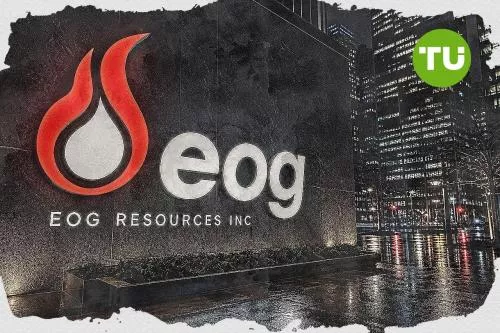
Latest EOG Resources Inc News



-
 Afghanistan
-
 Albania
-
 Algeria
-
 Angola
-
 Argentina
-
 Armenia
-
 Australia
-
 Austria
-
 Azerbaijan
-
 Bahamas
-
 Bahrain
-
 Bangladesh
-
 Belarus
-
 Belgium
-
 Bolivia
-
 Botswana
-
 Brazil
-
 Brunei
-
 Bulgaria
-
 Cambodia
-
 Cameroon
-
 Canada
-
 Chile
-
 China
-
 Colombia
-
 Congo
-
 Costa Rica
-
 Cote d'Ivoire
-
 Croatia
-
 Cuba
-
 Cyprus
-
 Czechia
-
 DR Congo
-
 Denmark
-
 Dominican Republic
-
 Ecuador
-
 Egypt
-
 El Salvador
-
 Estonia
-
 Eswatini
-
 Ethiopia
-
 Finland
-
 France
-
 Georgia
-
 Germany
-
 Ghana
-
 Greece
-
 Haiti
-
 Hong Kong
-
 Hungary
-
 India
-
 Indonesia
-
 Iran, Islamic republic
-
 Iraq
-
 Ireland
-
 Israel
-
 Italy
-
 Jamaica
-
 Japan
-
 Jordan
-
 Kazakhstan
-
 Kenya
-
 Korea
-
 Kuwait
-
 Kyrgyzstan
-
 Laos
-
 Latvia
-
 Lebanon
-
 Lesotho
-
 Libya
-
 Lithuania
-
 Luxembourg
-
 Madagascar
-
 Malaysia
-
 Malta
-
 Mauritius
-
 Mexico
-
 Moldova
-
 Mongolia
-
 Montenegro
-
 Morocco
-
 Mozambique
-
 Myanmar
-
 Namibia
-
 Nepal
-
 Netherlands
-
 New Zealand
-
 Nigeria
-
 North Macedonia
-
 Norway
-
 Oman
-
 Pakistan
-
 Palestine
-
 Panama
-
 Papua New Guinea
-
 Paraguay
-
 Peru
-
 Philippines
-
 Poland
-
 Portugal
-
 Puerto Rico
-
 Qatar
-
 Reunion
-
 Romania
-
 Rwanda
-
 Saudi Arabia
-
 Serbia
-
 Singapore
-
 Slovakia
-
 Slovenia
-
 Somalia
-
 South Africa
-
 Spain
-
 Sri Lanka
-
 Sweden
-
 Switzerland
-
 Syria
-
 Taiwan
-
 Tajikistan
-
 Tanzania
-
 Thailand
-
 Trinidad and Tobago
-
 Tunisia
-
 Turkey
-
 UAE
-
 Uganda
-
 Ukraine
-
 United Kingdom
-
United States
-
 Uruguay
-
 Uzbekistan
-
 Venezuela
-
 Vietnam
-
 Yemen
-
 Zambia
-
 Zimbabwe
- Forex
- Crypto












