

IBM stock tests key support despite $1 billion boost for quantum manufacturing

IBM is once again at a point where a single strong move could quickly reshape the short-term picture. With the market still hesitating, the next move from buyers becomes especially important.
 253.18
256.00
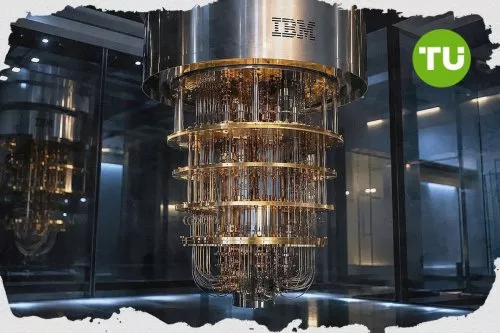
IBM announced that its subsidiary Anderon has signed a $1 billion CHIPS and Science Act grant deal with the U.S. Department of Commerce. The company will utilize these funds for U.S.-based R&D and the scaling of quantum wafer manufacturing in the US at its Albany site and will also put in another $1 billion into Anderon.
The agreement effectively creates the first dedicated pure-play quantum foundry in the U.S., although the commercialization of quantum computing remains at an early stage.

$235–242 range becomes the key short-term test
IBM fully played out the scenario outlined earlier. The stock reached the $252 target but failed to extend the move and subsequently fell below $242 support.
For today’s session, the expected trading range is between $235, where the 50-day SMA is located, and $242. A break of either boundary is likely to determine the next short-term direction.
A recovery and sustained move above $242 would reopen the possibility of another test of $252. This remains the base-case scenario over the next several days.
A drop and sustained move below the 50-day SMA near $235 would invalidate the setup. In that case, the stock could extend the correction toward the next support around $230.
Long-term quantum progress meets short-term market pressure
The Anderon agreement strengthens IBM’s long-term position in quantum computing and reduces part of the financial burden associated with expanding manufacturing infrastructure. The market reaction, however, suggests that a long-term technology catalyst alone is not yet enough to generate a sustained recovery in the stock.
Over the next several sessions, the balance will depend primarily on whether buyers can reclaim $242. Until that happens, the positive developments around IBM’s quantum business are likely to remain more of a medium-term factor than an immediate price catalyst.









-
 Afghanistan
-
 Albania
-
 Algeria
-
 Angola
-
 Argentina
-
 Armenia
-
 Australia
-
 Austria
-
 Azerbaijan
-
 Bahamas
-
 Bahrain
-
 Bangladesh
-
 Belarus
-
 Belgium
-
 Bolivia
-
 Botswana
-
 Brazil
-
 Brunei
-
 Bulgaria
-
 Cambodia
-
 Cameroon
-
 Canada
-
 Chile
-
 China
-
 Colombia
-
 Congo
-
 Costa Rica
-
 Cote d'Ivoire
-
 Croatia
-
 Cuba
-
 Cyprus
-
 Czechia
-
 DR Congo
-
 Denmark
-
 Dominican Republic
-
 Ecuador
-
 Egypt
-
 El Salvador
-
 Estonia
-
 Eswatini
-
 Ethiopia
-
 Finland
-
 France
-
 Georgia
-
 Germany
-
 Ghana
-
 Greece
-
 Haiti
-
 Hong Kong
-
 Hungary
-
 India
-
 Indonesia
-
 Iran, Islamic republic
-
 Iraq
-
 Ireland
-
 Israel
-
 Italy
-
 Jamaica
-
 Japan
-
 Jordan
-
 Kazakhstan
-
 Kenya
-
 Korea
-
 Kuwait
-
 Kyrgyzstan
-
 Laos
-
 Latvia
-
 Lebanon
-
 Lesotho
-
 Libya
-
 Lithuania
-
 Luxembourg
-
 Madagascar
-
 Malaysia
-
 Malta
-
 Mauritius
-
 Mexico
-
 Moldova
-
 Mongolia
-
 Montenegro
-
 Morocco
-
 Mozambique
-
 Myanmar
-
 Namibia
-
 Nepal
-
 Netherlands
-
 New Zealand
-
 Nigeria
-
 North Macedonia
-
 Norway
-
 Oman
-
 Pakistan
-
 Palestine
-
 Panama
-
 Papua New Guinea
-
 Paraguay
-
 Peru
-
 Philippines
-
 Poland
-
 Portugal
-
 Puerto Rico
-
 Qatar
-
 Reunion
-
 Romania
-
 Rwanda
-
 Saudi Arabia
-
 Serbia
-
 Singapore
-
 Slovakia
-
 Slovenia
-
 Somalia
-
 South Africa
-
 Spain
-
 Sri Lanka
-
 Sweden
-
 Switzerland
-
 Syria
-
 Taiwan
-
 Tajikistan
-
 Tanzania
-
 Thailand
-
 Trinidad and Tobago
-
 Tunisia
-
 Turkey
-
 UAE
-
 Uganda
-
 Ukraine
-
 United Kingdom
-
United States
-
 Uruguay
-
 Uzbekistan
-
 Venezuela
-
 Vietnam
-
 Yemen
-
 Zambia
-
 Zimbabwe
- Forex
- Crypto












