

Linde investor day highlights space and electronics growth drivers

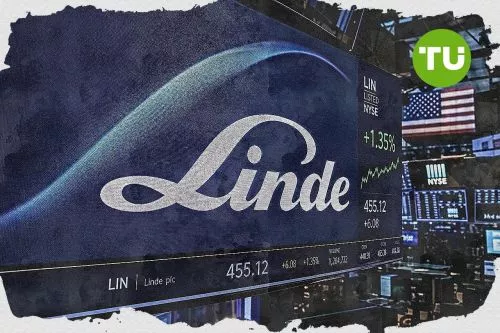
A late-week rebound in the S&P 500 does not change a softer broader trading backdrop, as bond yields turn higher again after an initial post-jobs-report rally. Against that market volatility, Linde draws investor attention for growth in space and electronics, two end markets expected to make up about 20% of sales by 2030.
Highlights
- Linde projects its space and electronics segments will comprise 20% of total sales by 2030 following its investor day.
- The company has sold six commercial space plants to a single customer and is securing merchant gas supply deals with others.
- In electronics, Linde reports $5 billion in current projects and identifies $7 billion in additional opportunities in the U.S. and Asia.
Linde growth outlook gains focus
As reported by CNBC Investing Club, investor attention shifts to Linde after the company’s investor day centered on its space and electronics businesses, which analysts broadly view as a positive event.Those two segments are Linde’s fastest-growing end markets, and together they are expected to account for about 20% of total sales by 2030. In commercial space, the company supplies oxygen, nitrogen, hydrogen and helium through long-term merchant sale of gas agreements, while it can also generate revenue through sale of plant contracts that involve designing and building processing facilities for customers.
Linde says it has sold six commercial space plants, although all of them go to one customer pursuing vertical integration. Other customers are pursuing merchant gas supply deals, a mix that may ease investor concerns about a broader shift away from recurring revenue arrangements.
In electronics, Linde remains a key supplier to major chip fabrication plants, including Taiwan Semiconductor facilities in Arizona and Taiwan. Morgan Stanley says the company highlights $5 billion of projects under execution, alongside another $7 billion of additional opportunities in the U.S. and Asia.
In our earlier article on Applied Aerospace’s post-IPO selloff, we explained that the stock’s drop largely reflected one-off listing charges rather than weakening fundamentals. We noted that the company’s sole-source model, $1.13 billion contracted backlog, and exposure to SpaceX and Anduril programs supported expectations for faster revenue and earnings growth despite near-term concerns such as elevated unbilled receivables.






Latest Linde News




-
 Afghanistan
-
 Albania
-
 Algeria
-
 Angola
-
 Argentina
-
 Armenia
-
 Australia
-
 Austria
-
 Azerbaijan
-
 Bahamas
-
 Bahrain
-
 Bangladesh
-
 Belarus
-
 Belgium
-
 Bolivia
-
 Botswana
-
 Brazil
-
 Brunei
-
 Bulgaria
-
 Cambodia
-
 Cameroon
-
 Canada
-
 Chile
-
 China
-
 Colombia
-
 Congo
-
 Costa Rica
-
 Cote d'Ivoire
-
 Croatia
-
 Cuba
-
 Cyprus
-
 Czechia
-
 DR Congo
-
 Denmark
-
 Dominican Republic
-
 Ecuador
-
 Egypt
-
 El Salvador
-
 Estonia
-
 Eswatini
-
 Ethiopia
-
 Finland
-
 France
-
 Georgia
-
 Germany
-
 Ghana
-
 Greece
-
 Haiti
-
 Hong Kong
-
 Hungary
-
 India
-
 Indonesia
-
 Iran, Islamic republic
-
 Iraq
-
 Ireland
-
 Israel
-
 Italy
-
 Jamaica
-
 Japan
-
 Jordan
-
 Kazakhstan
-
 Kenya
-
 Korea
-
 Kuwait
-
 Kyrgyzstan
-
 Laos
-
 Latvia
-
 Lebanon
-
 Lesotho
-
 Libya
-
 Lithuania
-
 Luxembourg
-
 Madagascar
-
 Malaysia
-
 Malta
-
 Mauritius
-
 Mexico
-
 Moldova
-
 Mongolia
-
 Montenegro
-
 Morocco
-
 Mozambique
-
 Myanmar
-
 Namibia
-
 Nepal
-
 Netherlands
-
 New Zealand
-
 Nigeria
-
 North Macedonia
-
 Norway
-
 Oman
-
 Pakistan
-
 Palestine
-
 Panama
-
 Papua New Guinea
-
 Paraguay
-
 Peru
-
 Philippines
-
 Poland
-
 Portugal
-
 Puerto Rico
-
 Qatar
-
 Reunion
-
 Romania
-
 Rwanda
-
 Saudi Arabia
-
 Serbia
-
 Singapore
-
 Slovakia
-
 Slovenia
-
 Somalia
-
 South Africa
-
 Spain
-
 Sri Lanka
-
 Sweden
-
 Switzerland
-
 Syria
-
 Taiwan
-
 Tajikistan
-
 Tanzania
-
 Thailand
-
 Trinidad and Tobago
-
 Tunisia
-
 Turkey
-
 UAE
-
 Uganda
-
 Ukraine
-
 United Kingdom
-
United States
-
 Uruguay
-
 Uzbekistan
-
 Venezuela
-
 Vietnam
-
 Yemen
-
 Zambia
-
 Zimbabwe
- Forex
- Crypto












