

U.S. markets face AI boom risks as concentration deepens

Investor unease is building as U.S. markets drift sideways and questions grow over how durable the artificial intelligence trade really is. The concern reaches beyond technology stocks because heavy spending on data centers is helping to drive economic growth and could amplify any reversal.
Highlights
- Tech stocks and hyperscalers now comprise over half of the S&P 500 market cap, surpassing dot-com era concentration levels.
- AI-driven data center investment is significantly boosting GDP, linking public market trends with broader business spending and economic growth.
- U.S. households have record market exposure, making consumer confidence and capital spending sectors vulnerable if AI-linked shares decline sharply.
Market concentration raises pressure on AI trade
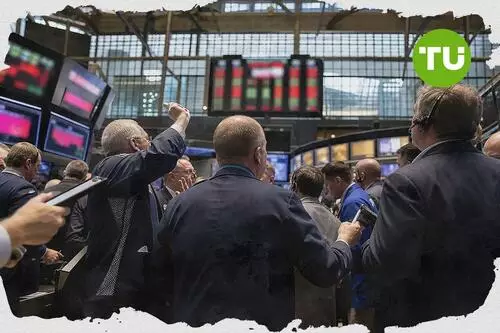
As reported by Axios, the U.S. stock market is becoming increasingly concentrated around AI-linked technology names, with tech stocks and hyperscalers now making up more than half of the S&P 500's market capitalization.That concentration is described as exceeding even the level seen during the dot-com-fueled boom that peaked in early 2000 before the market later crashed. The current setup leaves investors weighing whether the AI rally can keep supporting broader equity gains or whether a break in momentum could spread quickly across the market.
Economic exposure extends beyond Wall Street
Any sharp turn from boom to bust in AI could carry broader economic consequences, because investment in data centers is currently supercharging GDP. That means the theme is not only shaping valuations in public markets, but also feeding into business spending and the wider growth outlook.The risk is heightened by the position of U.S. households, which are described as more heavily invested in the market than ever before. If AI-linked shares weaken materially, the effects could reach investor finances, consumer confidence and sectors tied to continued capital spending.
Our earlier article examined how the S&P 500’s midsummer advance has been propelled mainly by AI-linked megacaps, leaving the index vulnerable to concentration risk. It also noted that investors were looking to third-quarter earnings to justify lofty levels amid headwinds such as higher oil prices, elevated Treasury yields, and weakening market breadth.








-
 Afghanistan
-
 Albania
-
 Algeria
-
 Angola
-
 Argentina
-
 Armenia
-
 Australia
-
 Austria
-
 Azerbaijan
-
 Bahamas
-
 Bahrain
-
 Bangladesh
-
 Belarus
-
 Belgium
-
 Bolivia
-
 Botswana
-
 Brazil
-
 Brunei
-
 Bulgaria
-
 Cambodia
-
 Cameroon
-
 Canada
-
 Chile
-
 China
-
 Colombia
-
 Congo
-
 Costa Rica
-
 Cote d'Ivoire
-
 Croatia
-
 Cuba
-
 Cyprus
-
 Czechia
-
 DR Congo
-
 Denmark
-
 Dominican Republic
-
 Ecuador
-
 Egypt
-
 El Salvador
-
 Estonia
-
 Eswatini
-
 Ethiopia
-
 Finland
-
 France
-
 Georgia
-
 Germany
-
 Ghana
-
 Greece
-
 Haiti
-
 Hong Kong
-
 Hungary
-
 India
-
 Indonesia
-
 Iran, Islamic republic
-
 Iraq
-
 Ireland
-
 Israel
-
 Italy
-
 Jamaica
-
 Japan
-
 Jordan
-
 Kazakhstan
-
 Kenya
-
 Korea
-
 Kuwait
-
 Kyrgyzstan
-
 Laos
-
 Latvia
-
 Lebanon
-
 Lesotho
-
 Libya
-
 Lithuania
-
 Luxembourg
-
 Madagascar
-
 Malaysia
-
 Malta
-
 Mauritius
-
 Mexico
-
 Moldova
-
 Mongolia
-
 Montenegro
-
 Morocco
-
 Mozambique
-
 Myanmar
-
 Namibia
-
 Nepal
-
 Netherlands
-
 New Zealand
-
 Nigeria
-
 North Macedonia
-
 Norway
-
 Oman
-
 Pakistan
-
 Palestine
-
 Panama
-
 Papua New Guinea
-
 Paraguay
-
 Peru
-
 Philippines
-
 Poland
-
 Portugal
-
 Puerto Rico
-
 Qatar
-
 Reunion
-
 Romania
-
 Rwanda
-
 Saudi Arabia
-
 Serbia
-
 Singapore
-
 Slovakia
-
 Slovenia
-
 Somalia
-
 South Africa
-
 Spain
-
 Sri Lanka
-
 Sweden
-
 Switzerland
-
 Syria
-
 Taiwan
-
 Tajikistan
-
 Tanzania
-
 Thailand
-
 Trinidad and Tobago
-
 Tunisia
-
 Turkey
-
 UAE
-
 Uganda
-
 Ukraine
-
 United Kingdom
-
United States
-
 Uruguay
-
 Uzbekistan
-
 Venezuela
-
 Vietnam
-
 Yemen
-
 Zambia
-
 Zimbabwe
- Forex
- Crypto












