

Neoclouds and CoreWeave face credit pressures, but the AI boom continues

Four years after ChatGPT’s launch sparked a major surge in artificial intelligence, the neocloud segment is facing renewed scrutiny over its debt-fuelled growth model. The pressure peaked after several listings and AI infrastructure-related stocks received a weak response from investors, as high interest rates and GPU depreciation weighed on the sector’s financing viability.
Highlights
- Firmus Grid scrapped its US$5 billion IPO amid market concerns about debt and returns on neocloud investments in Malaysia, Indonesia and Australia.
- Neocloud revenue is expected to exceed US$42 billion in 2024, up from US$25 billion last year, but more than 80% of firms are expected to fail to operate independently by 2030.
- CoreWeave is now carrying about US$35 billion in debt, with its shares down 34% and the yield on its 2031 notes nearing 16%, sparking credit concerns across the sector.
This article was translated from the original. Read the original version by our correspondent here.
Financing pressures put the neocloud model to the test
As reported by The Edge Malaysia, investor concerns about neoclouds intensified after Firmus Grid scrapped plans for a US$5 billion IPO in Australia, as the market questioned its valuation, debt levels and ability to generate returns from data centres under development in Malaysia, Indonesia and Australia.The business models of companies such as CoreWeave, Nebius, Iren, Lambda and Crusoe rely on purchasing GPUs, typically with borrowed funds, and then renting out that computing capacity to AI labs and enterprise customers. They have benefited from faster access to Nvidia chips and lower prices than hyperscalers, helping neoclouds grow rapidly as demand for AI computing power surged.
However, the sector’s financing structure is now showing significant weaknesses. Debt used to buy GPU clusters is typically repaid over five to six years, while the chips’ economic lifespans are shorter because Nvidia launches a new generation almost every year, from Hopper to Blackwell and Rubin. Falling GPU rental rates and resale values for used chips are eroding collateral value faster than the debt is being repaid.
Industry research also shows that the sector continues to grow despite mounting pressures. Neocloud revenue is projected to exceed US$42 billion this year, up from US$25 billion last year, and Synergy estimates that total revenue could surpass US$400 billion by 2031. At the same time, Gartner expects more than 80% of neocloud firms to cease operating independently by 2030 due to cost pressures and a lack of differentiation in their business models.
Implications for CoreWeave and the AI supply chain
CoreWeave has become the main focus of credit market concerns, with total debt of about US$35 billion, quarterly net interest expense of around US$640 million and a capital expenditure plan of about US$39 billion for this year. Its shares fell 34% between 6 Oct and 21 Oct, while the yield on its 2031 notes neared 16% and the cost of insuring its debt through five-year credit default swaps rose to 11.4%.Madison Rezaei, an analyst at Bernstein, said the market is now demanding significantly higher compensation for holding CoreWeave’s unsecured debt. This highlights that the main challenge for neoclouds is not just finding customers for their computing capacity, but also persuading lenders to keep financing hardware on terms that still create value for shareholders.
Even so, pressure on neoclouds does not necessarily spell the end of the broader AI growth cycle. Lower computing costs and open-source models from China could increase the volume of inference usage rather than reduce it, as AI applications become cheaper and more widespread. For neocloud operators, shifting focus from training frontier models to more stable, recurring inference capacity could make their businesses more resilient.
The implications also extend to larger players in the AI supply chain. Hyperscalers such as AWS, Google Cloud, Microsoft Azure, Meta Platforms and Oracle continue to absorb a large share of GPUs, while Nvidia relies on these large-scale customers for its chip sales. In an environment of higher interest rates and falling chip prices, the sector is likely to consolidate, with only a handful of operators that have the scale, diversified customer bases, access to electricity and data centre assets expected to survive.
In our earlier report on financing risks for AI data centres in the United States, we examined how rising financing costs, construction delays and power supply constraints are beginning to weigh on the wave of AI infrastructure investment. The analysis also highlighted CoreWeave’s share price decline and the need for additional financing for some projects as signs that investor confidence is becoming more fragile, raising questions about developers’ ability to complete projects on schedule and turn large capital commitments into sustainable returns.






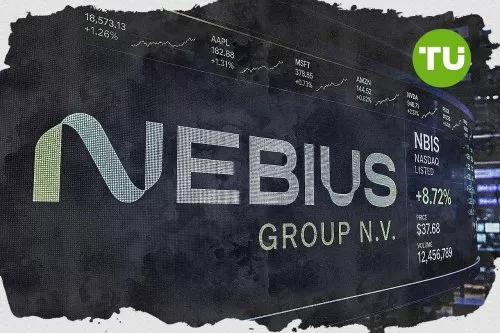
Latest Nebius Group N.V. News



-
 Afghanistan
-
 Albania
-
 Algeria
-
 Angola
-
 Argentina
-
 Armenia
-
 Australia
-
 Austria
-
 Azerbaijan
-
 Bahamas
-
 Bahrain
-
 Bangladesh
-
 Belarus
-
 Belgium
-
 Bolivia
-
 Botswana
-
 Brazil
-
 Brunei
-
 Bulgaria
-
 Cambodia
-
 Cameroon
-
 Canada
-
 Chile
-
 China
-
 Colombia
-
 Congo
-
 Costa Rica
-
 Cote d'Ivoire
-
 Croatia
-
 Cuba
-
 Cyprus
-
 Czechia
-
 DR Congo
-
 Denmark
-
 Dominican Republic
-
 Ecuador
-
 Egypt
-
 El Salvador
-
 Estonia
-
 Eswatini
-
 Ethiopia
-
 Finland
-
 France
-
 Georgia
-
 Germany
-
 Ghana
-
 Greece
-
 Haiti
-
 Hong Kong
-
 Hungary
-
 India
-
 Indonesia
-
 Iran, Islamic republic
-
 Iraq
-
 Ireland
-
 Israel
-
 Italy
-
 Jamaica
-
 Japan
-
 Jordan
-
 Kazakhstan
-
 Kenya
-
 Korea
-
 Kuwait
-
 Kyrgyzstan
-
 Laos
-
 Latvia
-
 Lebanon
-
 Lesotho
-
 Libya
-
 Lithuania
-
 Luxembourg
-
 Madagascar
-
 Malaysia
-
 Malta
-
 Mauritius
-
 Mexico
-
 Moldova
-
 Mongolia
-
 Montenegro
-
 Morocco
-
 Mozambique
-
 Myanmar
-
 Namibia
-
 Nepal
-
 Netherlands
-
 New Zealand
-
 Nigeria
-
 North Macedonia
-
 Norway
-
 Oman
-
 Pakistan
-
 Palestine
-
 Panama
-
 Papua New Guinea
-
 Paraguay
-
 Peru
-
 Philippines
-
 Poland
-
 Portugal
-
 Puerto Rico
-
 Qatar
-
 Reunion
-
 Romania
-
 Rwanda
-
 Saudi Arabia
-
 Serbia
-
 Singapore
-
 Slovakia
-
 Slovenia
-
 Somalia
-
 South Africa
-
 Spain
-
 Sri Lanka
-
 Sweden
-
 Switzerland
-
 Syria
-
 Taiwan
-
 Tajikistan
-
 Tanzania
-
 Thailand
-
 Trinidad and Tobago
-
 Tunisia
-
 Turkey
-
 UAE
-
 Uganda
-
 Ukraine
-
 United Kingdom
-
United States
-
 Uruguay
-
 Uzbekistan
-
 Venezuela
-
 Vietnam
-
 Yemen
-
 Zambia
-
 Zimbabwe
- Forex
- Crypto












