

Indian rupee gains as foreign inflows and corporate dollar sales support currency

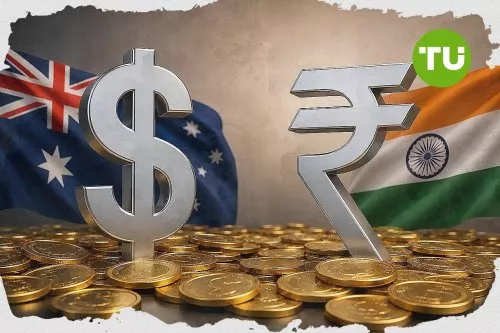
India's currency edges higher in early trading as renewed foreign investment into local equities and corporate dollar sales lend support against the U.S. dollar. The rupee outperforms most regional peers even as broader Asian markets weaken on investor caution over crowded AI trades.
Highlights
- The rupee appreciates 0.1% to 94.1250 per U.S. dollar, driven by foreign equity inflows and increased corporate dollar sales.
- November sees record $10 billion in foreign inflows into Indian equities, with Nifty 50 up 0.4% as Goldman Sachs turns bullish.
- Oil prices fall 0.5% on supply surplus expectations, with traders noting increased corporate dollar sales at the central bank's reference rate supporting the rupee.
Equity inflows and corporate flows lift rupee
As reported by Reuters, the rupee trades at 94.1250 per U.S. dollar as of 10:30 a.m. IST on Monday, up 0.1% from its previous close, with dollar sales tied to foreign equity inflows and corporate activity helping the currency advance.Indian equity markets rank among the region's stronger performers even as MSCI's gauge of Asian stocks slides nearly 2%. India's Nifty 50 rises 0.4%, while stocks in Seoul and Taipei fall 3.5% and 5%, respectively.
The divergence comes as foreign purchases of Indian shares revive, with November inflows tracking a record monthly total of $10 billion so far. Goldman Sachs is among the global brokerages that have turned bullish on Indian stocks in the last two weeks, saying the broader backdrop may be becoming more supportive for the rupee.
Oil prices and policy outlook shape currency expectations
Goldman says cooling oil prices and improving portfolio flows could work in the rupee's favour. The brokerage adds that policy authorities are likely to keep allowing more two-way volatility in the currency while using better global conditions to rebuild foreign exchange reserve buffers, and it forecasts the rupee at 96 in 12 months' time.Oil prices are down about 0.5% on expectations of a supply surplus, as shipments from the Middle East through the Strait of Hormuz are nearly restored to pre-war levels and Chinese refinery throughput falls in October, indicating weaker crude demand.
Traders also point to heightened appetite from companies to sell dollars at the central bank's daily reference rate, a benchmark used for a range of currency derivative transactions and valuations. Those corporate flows add another near-term support for the Indian currency.
Earlier, we looked at India equities rebound as foreign funds returned when crowded AI trades unwound.






Latest India News



-
 Afghanistan
-
 Albania
-
 Algeria
-
 Angola
-
 Argentina
-
 Armenia
-
 Australia
-
 Austria
-
 Azerbaijan
-
 Bahamas
-
 Bahrain
-
 Bangladesh
-
 Belarus
-
 Belgium
-
 Bolivia
-
 Botswana
-
 Brazil
-
 Brunei
-
 Bulgaria
-
 Cambodia
-
 Cameroon
-
 Canada
-
 Chile
-
 China
-
 Colombia
-
 Congo
-
 Costa Rica
-
 Cote d'Ivoire
-
 Croatia
-
 Cuba
-
 Cyprus
-
 Czechia
-
 DR Congo
-
 Denmark
-
 Dominican Republic
-
 Ecuador
-
 Egypt
-
 El Salvador
-
 Estonia
-
 Eswatini
-
 Ethiopia
-
 Finland
-
 France
-
 Georgia
-
 Germany
-
 Ghana
-
 Greece
-
 Haiti
-
 Hong Kong
-
 Hungary
-
 India
-
 Indonesia
-
 Iran, Islamic republic
-
 Iraq
-
 Ireland
-
 Israel
-
 Italy
-
 Jamaica
-
 Japan
-
 Jordan
-
 Kazakhstan
-
 Kenya
-
 Korea
-
 Kuwait
-
 Kyrgyzstan
-
 Laos
-
 Latvia
-
 Lebanon
-
 Lesotho
-
 Libya
-
 Lithuania
-
 Luxembourg
-
 Madagascar
-
 Malaysia
-
 Malta
-
 Mauritius
-
 Mexico
-
 Moldova
-
 Mongolia
-
 Montenegro
-
 Morocco
-
 Mozambique
-
 Myanmar
-
 Namibia
-
 Nepal
-
 Netherlands
-
 New Zealand
-
 Nigeria
-
 North Macedonia
-
 Norway
-
 Oman
-
 Pakistan
-
 Palestine
-
 Panama
-
 Papua New Guinea
-
 Paraguay
-
 Peru
-
 Philippines
-
 Poland
-
 Portugal
-
 Puerto Rico
-
 Qatar
-
 Reunion
-
 Romania
-
 Rwanda
-
 Saudi Arabia
-
 Serbia
-
 Singapore
-
 Slovakia
-
 Slovenia
-
 Somalia
-
 South Africa
-
 Spain
-
 Sri Lanka
-
 Sweden
-
 Switzerland
-
 Syria
-
 Taiwan
-
 Tajikistan
-
 Tanzania
-
 Thailand
-
 Trinidad and Tobago
-
 Tunisia
-
 Turkey
-
 UAE
-
 Uganda
-
 Ukraine
-
 United Kingdom
-
United States
-
 Uruguay
-
 Uzbekistan
-
 Venezuela
-
 Vietnam
-
 Yemen
-
 Zambia
-
 Zimbabwe
- Forex
- Crypto












