

Alibaba faces shareholder fraud lawsuit over alleged Nvidia spy scandal disclosures

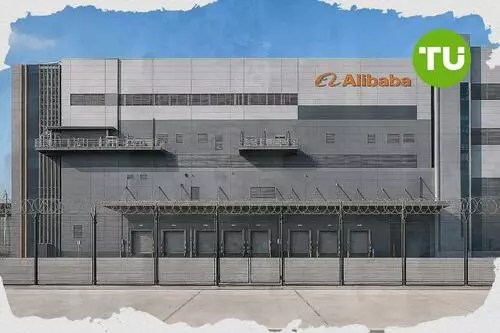
Alibaba is facing a proposed shareholder class action in New York over claims it understated business risks tied to export control violations and links to a company at the center of the Nvidia spy scandal. The suit covers holders of Alibaba's American depositary shares between May 23, 2024 and November 11, 2026, and also names Chief Executive Eddie Wu as a defendant.
Highlights
- Shareholders filed a Manhattan federal court lawsuit alleging Alibaba understated export-control violation risks in its 2024, 2025, and 2026 annual reports.
- Alibaba's ties to Singapore's Megaspeed and executive Alice Huang, along with media scrutiny after former Nvidia CEO Jensen Huang's resignation, drove concerns over access to advanced AI chips.
- Alibaba shares dropped 14% over four days last week after media reports and a Reuters article suggested possible U.S. restrictions on Chinese use of advanced Nvidia processors.
Court filing centers on disclosure and export-control risks
As reported by Reuters, the complaint filed in Manhattan federal court says Alibaba knowingly and materially understated in its 2024, 2025 and 2026 annual reports the risk that actual or suspected export control violations could damage its business.Shareholders point to Alibaba's relationship with Megaspeed, a Singaporean company suspected of helping Beijing gain access to advanced Nvidia artificial intelligence chips. The lawsuit also references Megaspeed executive Alice Huang's relationship with former Nvidia Chief Executive Jensen Huang, whose resignation last week intensified scrutiny around the matter.
The plaintiffs say Alibaba's shares fell 14% over four days last week following media reports about Alibaba's ties to Alice Huang and Megaspeed, including reports that Alibaba had become Megaspeed's dominant customer. They also link part of the drop to a November 12 Reuters article that said the Nvidia spy scandal could prompt Washington to tighten restrictions on Chinese AI companies' remote use of advanced processors.
Alibaba did not immediately respond to requests for comment. The case was brought by shareholder Withida Bihan, who is seeking unspecified damages for investors in Alibaba's American depositary shares during the proposed class period.
Previously, we highlighted AMD China exposure as investor focus intensified around U.S. semiconductor export-control compliance risks.










-
 Afghanistan
-
 Albania
-
 Algeria
-
 Angola
-
 Argentina
-
 Armenia
-
 Australia
-
 Austria
-
 Azerbaijan
-
 Bahamas
-
 Bahrain
-
 Bangladesh
-
 Belarus
-
 Belgium
-
 Bolivia
-
 Botswana
-
 Brazil
-
 Brunei
-
 Bulgaria
-
 Cambodia
-
 Cameroon
-
 Canada
-
 Chile
-
 China
-
 Colombia
-
 Congo
-
 Costa Rica
-
 Cote d'Ivoire
-
 Croatia
-
 Cuba
-
 Cyprus
-
 Czechia
-
 DR Congo
-
 Denmark
-
 Dominican Republic
-
 Ecuador
-
 Egypt
-
 El Salvador
-
 Estonia
-
 Eswatini
-
 Ethiopia
-
 Finland
-
 France
-
 Georgia
-
 Germany
-
 Ghana
-
 Greece
-
 Haiti
-
 Hong Kong
-
 Hungary
-
 India
-
 Indonesia
-
 Iran, Islamic republic
-
 Iraq
-
 Ireland
-
 Israel
-
 Italy
-
 Jamaica
-
 Japan
-
 Jordan
-
 Kazakhstan
-
 Kenya
-
 Korea
-
 Kuwait
-
 Kyrgyzstan
-
 Laos
-
 Latvia
-
 Lebanon
-
 Lesotho
-
 Libya
-
 Lithuania
-
 Luxembourg
-
 Madagascar
-
 Malaysia
-
 Malta
-
 Mauritius
-
 Mexico
-
 Moldova
-
 Mongolia
-
 Montenegro
-
 Morocco
-
 Mozambique
-
 Myanmar
-
 Namibia
-
 Nepal
-
 Netherlands
-
 New Zealand
-
 Nigeria
-
 North Macedonia
-
 Norway
-
 Oman
-
 Pakistan
-
 Palestine
-
 Panama
-
 Papua New Guinea
-
 Paraguay
-
 Peru
-
 Philippines
-
 Poland
-
 Portugal
-
 Puerto Rico
-
 Qatar
-
 Reunion
-
 Romania
-
 Rwanda
-
 Saudi Arabia
-
 Serbia
-
 Singapore
-
 Slovakia
-
 Slovenia
-
 Somalia
-
 South Africa
-
 Spain
-
 Sri Lanka
-
 Sweden
-
 Switzerland
-
 Syria
-
 Taiwan
-
 Tajikistan
-
 Tanzania
-
 Thailand
-
 Trinidad and Tobago
-
 Tunisia
-
 Turkey
-
 UAE
-
 Uganda
-
 Ukraine
-
 United Kingdom
-
United States
-
 Uruguay
-
 Uzbekistan
-
 Venezuela
-
 Vietnam
-
 Yemen
-
 Zambia
-
 Zimbabwe
- Forex
- Crypto












