
White House clean energy rollback derails projects worth $82.8 billion
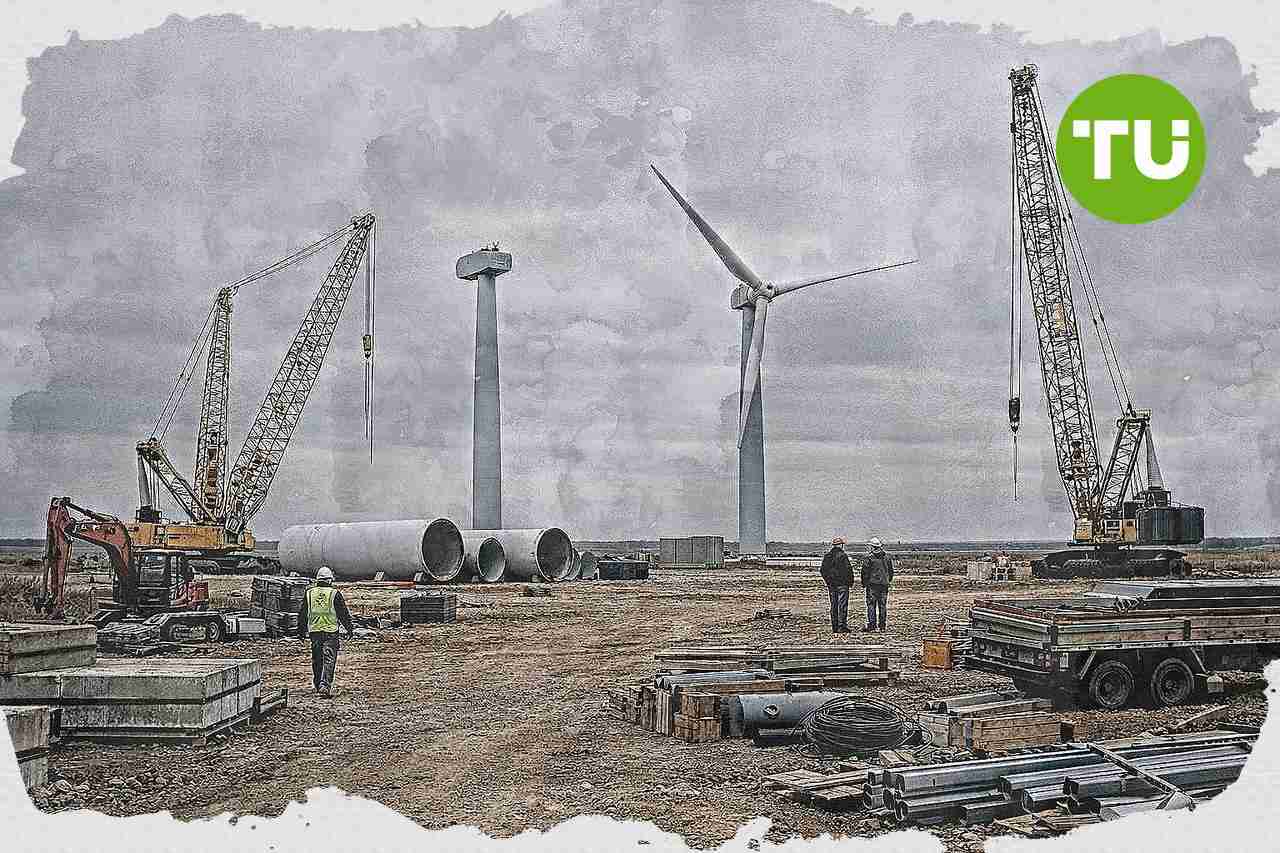
Policy changes in Washington are disrupting planned clean energy investment across the U.S. The value of affected projects has reached $82.8 billion, highlighting the scale of potential losses tied to halted or abandoned development.
Highlights
- White House clean energy policy rollback has derailed $82.8 billion in projects, reflecting significant lost investment and opportunity costs.
- Policy uncertainty disrupts the U.S. clean energy sector, delaying capital allocation, construction, and business activity for developers, suppliers, and local economies.
- Economic damage extends beyond canceled projects, as lost pipeline value includes foregone future growth, returns, and potential market development.
Policy shift hits project pipeline
As reported by Bloomberg, the White House’s assault on clean energy has already derailed $82.8 billion in projects. The article frames that figure as an economic opportunity cost, arguing that projects not moving forward represent lost investment and future financial returns rather than only canceled spending.The comparison centers on the idea that missed opportunities can carry a much larger long-term price than an immediate outlay. In that sense, the lost clean energy pipeline is presented as a financial setback with consequences that extend beyond the projects themselves.
Broader cost for the U.S. energy sector
The disruption points to wider risks for the U.S. clean energy sector, where policy uncertainty can delay capital allocation, construction plans and related business activity. When large projects are shelved, the effects can spread across developers, suppliers and local economies that expected growth from those investments.The article’s core argument is that the damage is not limited to money already spent. It is also measured by the value of growth, returns and market development that now may never materialize.
In our earlier article on U.S. aluminium tariff relief tied to new domestic smelting investment, we described how the White House is offering incentives worth half the current tariff for companies that build, expand, or refurbish U.S. smelters, provided construction begins by early 2029. The piece also highlighted defence-related supply risks from declining domestic capacity and noted industry concerns that tighter limits on sourcing sensitive materials could create bottlenecks if U.S. supply is insufficient in scale or purity.









-
 Afghanistan
-
 Albania
-
 Algeria
-
 Angola
-
 Argentina
-
 Armenia
-
 Australia
-
 Austria
-
 Azerbaijan
-
 Bahamas
-
 Bahrain
-
 Bangladesh
-
 Belarus
-
 Belgium
-
 Bolivia
-
 Botswana
-
 Brazil
-
 Brunei
-
 Bulgaria
-
 Cambodia
-
 Cameroon
-
 Canada
-
 Chile
Chile
-
 China
China
-
 Colombia
-
 Congo
Congo
-
 Costa Rica
-
 Cote d'Ivoire
-
 Croatia
-
 Cuba
Cuba
-
 Cyprus
-
 Czechia
-
 DR Congo
-
 Denmark
-
 Dominican Republic
-
 Ecuador
-
 Egypt
Egypt
-
 El Salvador
-
 Estonia
-
 Eswatini
-
 Ethiopia
-
 Finland
-
 France
-
 Georgia
-
 Germany
-
 Ghana
Ghana
-
 Greece
-
 Haiti
Haiti
-
 Hong Kong
-
 Hungary
-
 India
India
-
 Indonesia
-
 Iran, Islamic republic
-
 Iraq
Iraq
-
 Ireland
-
 Israel
-
 Italy
Italy
-
 Jamaica
-
 Japan
Japan
-
 Jordan
-
 Kazakhstan
-
 Kenya
Kenya
-
 Korea
Korea
-
 Kuwait
-
 Kyrgyzstan
-
 Laos
Laos
-
 Latvia
-
 Lebanon
-
 Lesotho
-
 Libya
Libya
-
 Lithuania
-
 Luxembourg
-
 Madagascar
-
 Malaysia
-
 Malta
Malta
-
 Mauritius
-
 Mexico
-
 Moldova
-
 Mongolia
-
 Montenegro
-
 Morocco
-
 Mozambique
-
 Myanmar
-
 Namibia
-
 Nepal
Nepal
-
 Netherlands
-
 New Zealand
-
 Nigeria
-
 North Macedonia
-
 Norway
-
 Oman
Oman
-
 Pakistan
-
 Palestine
-
 Panama
-
 Papua New Guinea
-
 Paraguay
-
 Peru
Peru
-
 Philippines
-
 Poland
-
 Portugal
-
 Puerto Rico
-
 Qatar
Qatar
-
 Reunion
-
 Romania
-
 Rwanda
-
 Saudi Arabia
-
 Serbia
-
 Singapore
-
 Slovakia
-
 Slovenia
-
 Somalia
-
 South Africa
-
 Spain
Spain
-
 Sri Lanka
-
 Sweden
-
 Switzerland
-
 Syria
Syria
-
 Taiwan
-
 Tajikistan
-
 Tanzania
-
 Thailand
-
 Trinidad and Tobago
-
 Tunisia
-
 Turkey
-
 UAE
UAE
-
 Uganda
-
 Ukraine
-
 United Kingdom
-
United States
-
 Uruguay
-
 Uzbekistan
-
 Venezuela
-
 Vietnam
-
 Yemen
Yemen
-
 Zambia
-
 Zimbabwe
- Forex
- Crypto












