
U.S. retailers expand private-label push as value-focused shopping reshapes grocery demand
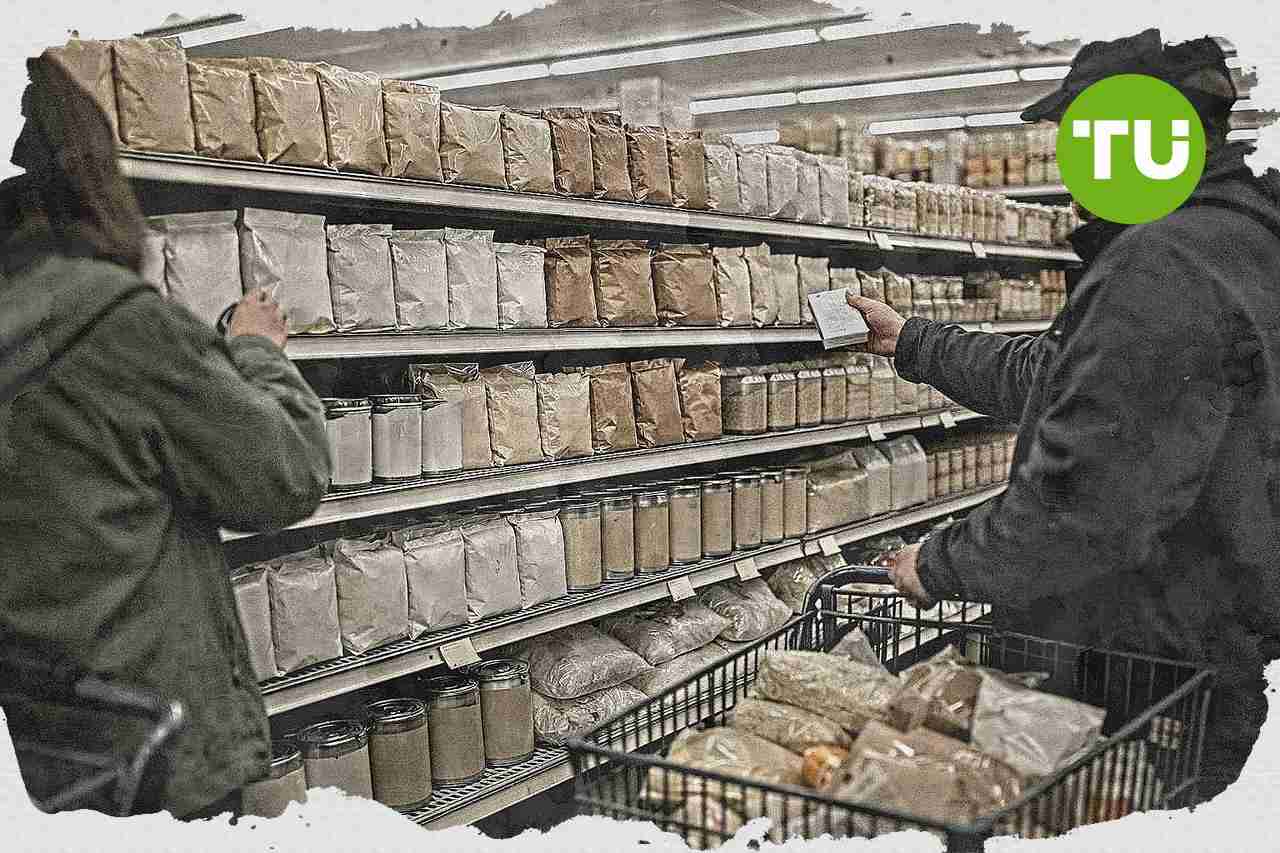
Persistent inflation and broader economic unease are pushing more U.S. shoppers toward cheaper store brands, even among households that are not under acute financial strain. Retailers and analysts increasingly view the shift as a structural change in consumer behavior rather than a temporary response to higher prices.
Highlights
- Walmart expands its bettergoods private-label food line to nearly 1,000 items, attracting new customers, including higher-income shoppers.
- Value retailers' sales increased 11.6% year-on-year January–May, outpacing conventional retailers' 2.3% growth as consumers prioritize lower-priced formats.
- Kroger, Target, Aldi, and Dollar General report accelerating private-label sales, reflecting a lasting, inflation-driven shift toward value-focused shopping.
Retailers accelerate store-brand expansion
As reported by Reuters, major U.S. retailers are increasing private-label offerings as consumers across income groups seek better value on food and household spending. Researchers at NielsenIQ say value retailers grow sales 11.6% year-on-year from January through May, compared with 2.3% for conventional retailers, underscoring how demand is shifting toward lower-priced formats.Walmart is increasing the number of items under its bettergoods food label to nearly 1,000, and the company says the range is helping attract new customers, particularly higher-income shoppers. Aldi, which operates around 2,700 U.S. stores, is on track to open 180 more this year and another 400 through 2028, reflecting its confidence that demand for cheaper private-label goods will persist.
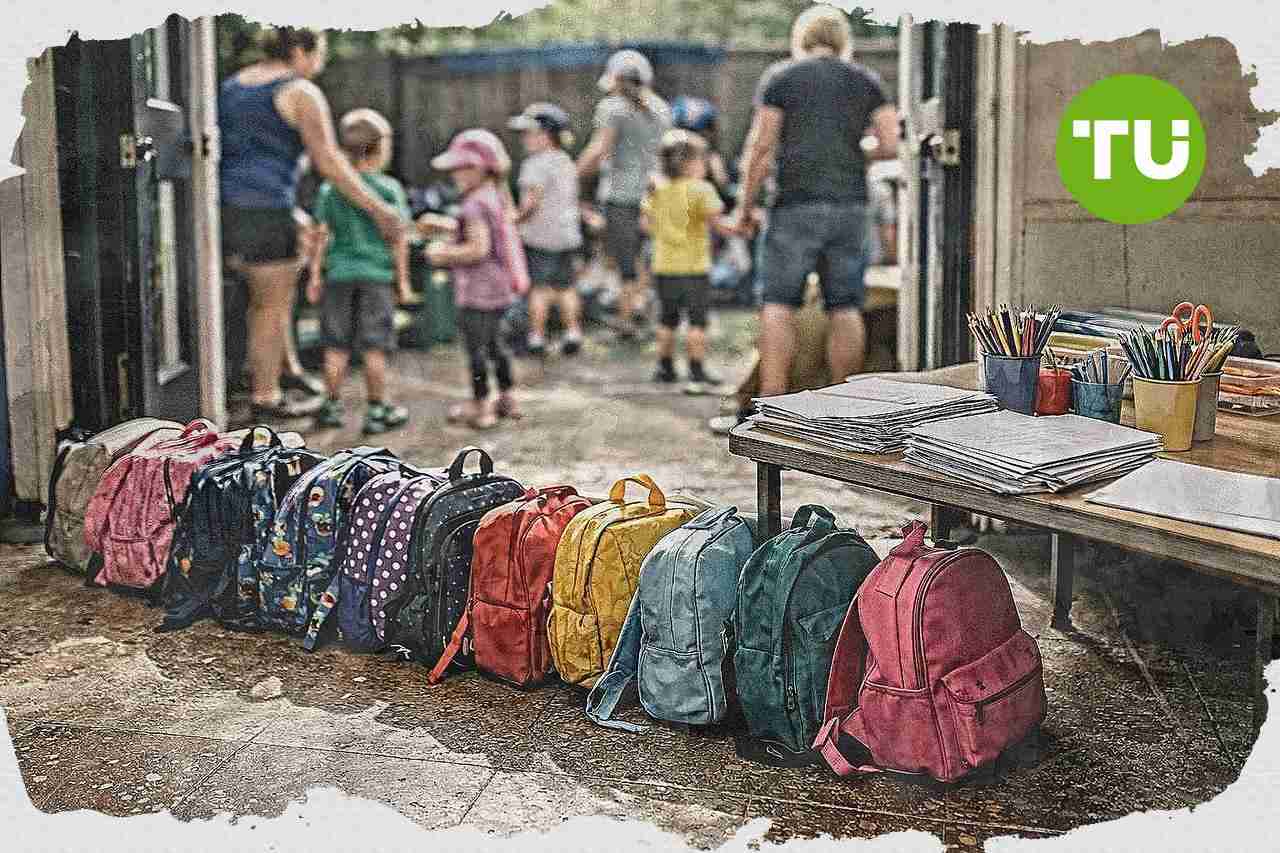
Kroger says private-label sales are growing faster than national brands, while Target plans to add 600 private-label food and beverage items over the next two years, including 400 under Good & Gather. Dollar General also says shoppers across income levels are prioritizing value, and it is rolling out new private-brand products alongside more than 70 back-to-school items priced at $1 or less.
Economic pressure changes shopping habits
Consumers interviewed and cited in the report say higher grocery and energy costs are making premium national brands harder to justify, even for households with disposable income. Analysts say inflation is reinforcing a longer-term behavioral shift, with shoppers becoming more deliberate about when to save and when to spend.Sarah Henry, managing partner at Logan Capital Management, says inflation is acting as an accelerant to changes already underway, while RBC analyst Nik Modi describes private brands as moving from a defensive tactic to a core growth strategy. NielsenIQ researchers also say both value retailers and premium retailers are growing faster than mid-market chains, suggesting shoppers are cutting back selectively rather than abandoning discretionary spending altogether.
That pattern appears in household behavior from Chicago to the Cincinnati area, where shoppers who once avoided private labels now say the quality stigma has largely faded. Economists and retail executives say worries about job security, rising living costs and easier price comparison tools are making bargain-hunting a lasting mindset in the U.S. consumer market.
Our earlier coverage of a federal review highlighted a sharp rise in the number of employees at major U.S. retailers, logistics firms and app-based delivery platforms relying on Medicaid and SNAP. The report, based on data from 11 states, pointed to Walmart, Amazon and FedEx among the employers with the largest counts of workers receiving assistance, keeping attention on wage levels and household budget strain across the sector.


Latest Income News






-
 Afghanistan
-
 Albania
-
 Algeria
-
 Angola
-
 Argentina
-
 Armenia
-
 Australia
-
 Austria
-
 Azerbaijan
-
 Bahamas
-
 Bahrain
-
 Bangladesh
-
 Belarus
-
 Belgium
-
 Bolivia
-
 Botswana
-
 Brazil
-
 Brunei
-
 Bulgaria
-
 Cambodia
-
 Cameroon
-
 Canada
-
 Chile
Chile
-
 China
China
-
 Colombia
-
 Congo
Congo
-
 Costa Rica
-
 Cote d'Ivoire
-
 Croatia
-
 Cuba
Cuba
-
 Cyprus
-
 Czechia
-
 DR Congo
-
 Denmark
-
 Dominican Republic
-
 Ecuador
-
 Egypt
Egypt
-
 El Salvador
-
 Estonia
-
 Eswatini
-
 Ethiopia
-
 Finland
-
 France
-
 Georgia
-
 Germany
-
 Ghana
Ghana
-
 Greece
-
 Haiti
Haiti
-
 Hong Kong
-
 Hungary
-
 India
India
-
 Indonesia
-
 Iran, Islamic republic
-
 Iraq
Iraq
-
 Ireland
-
 Israel
-
 Italy
Italy
-
 Jamaica
-
 Japan
Japan
-
 Jordan
-
 Kazakhstan
-
 Kenya
Kenya
-
 Korea
Korea
-
 Kuwait
-
 Kyrgyzstan
-
 Laos
Laos
-
 Latvia
-
 Lebanon
-
 Lesotho
-
 Libya
Libya
-
 Lithuania
-
 Luxembourg
-
 Madagascar
-
 Malaysia
-
 Malta
Malta
-
 Mauritius
-
 Mexico
-
 Moldova
-
 Mongolia
-
 Montenegro
-
 Morocco
-
 Mozambique
-
 Myanmar
-
 Namibia
-
 Nepal
Nepal
-
 Netherlands
-
 New Zealand
-
 Nigeria
-
 North Macedonia
-
 Norway
-
 Oman
Oman
-
 Pakistan
-
 Palestine
-
 Panama
-
 Papua New Guinea
-
 Paraguay
-
 Peru
Peru
-
 Philippines
-
 Poland
-
 Portugal
-
 Puerto Rico
-
 Qatar
Qatar
-
 Reunion
-
 Romania
-
 Rwanda
-
 Saudi Arabia
-
 Serbia
-
 Singapore
-
 Slovakia
-
 Slovenia
-
 Somalia
-
 South Africa
-
 Spain
Spain
-
 Sri Lanka
-
 Sweden
-
 Switzerland
-
 Syria
Syria
-
 Taiwan
-
 Tajikistan
-
 Tanzania
-
 Thailand
-
 Trinidad and Tobago
-
 Tunisia
-
 Turkey
-
 UAE
UAE
-
 Uganda
-
 Ukraine
-
 United Kingdom
-
United States
-
 Uruguay
-
 Uzbekistan
-
 Venezuela
-
 Vietnam
-
 Yemen
Yemen
-
 Zambia
-
 Zimbabwe
- Forex
- Crypto












