
JD Wetherspoon gaming machine profits draw focus amid regulatory risk debate
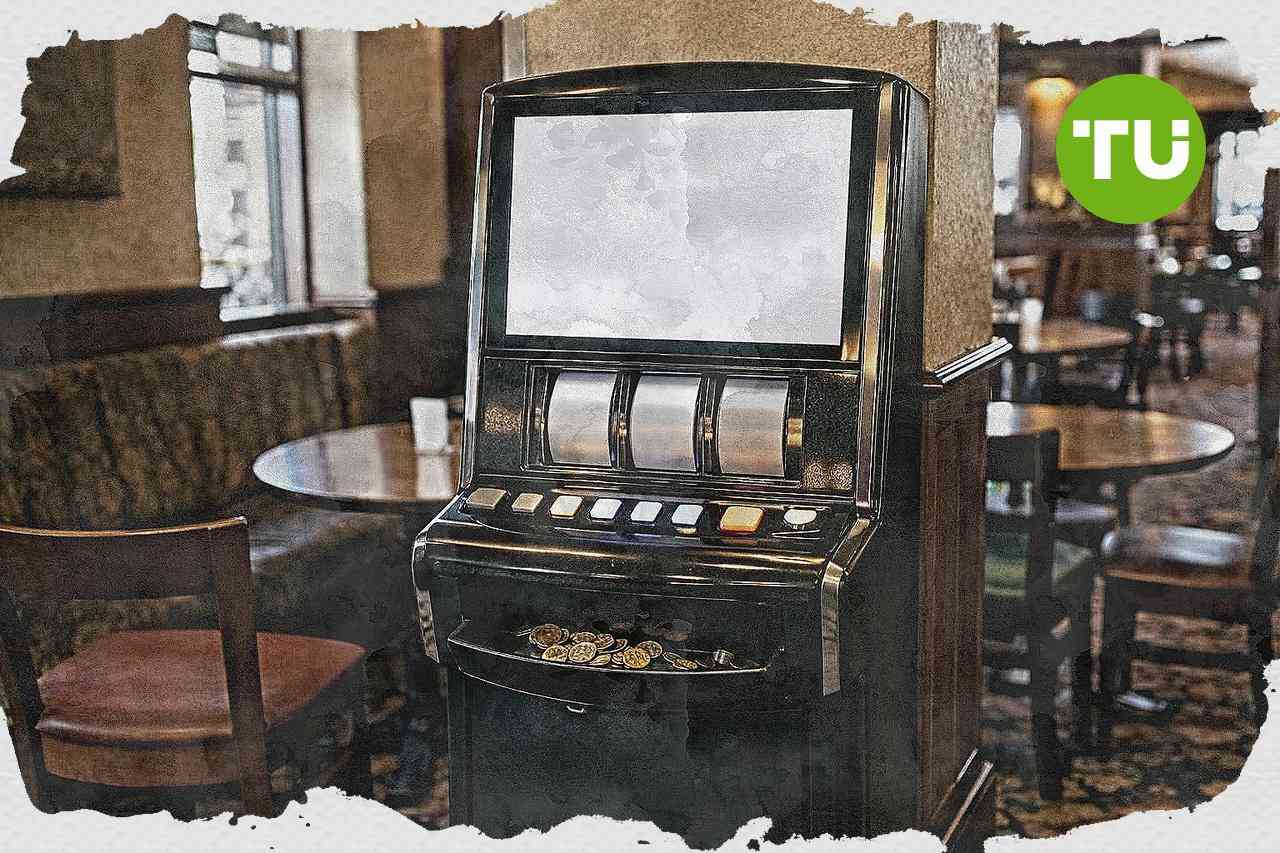
JD Wetherspoon’s gambling machines appear to generate a small share of revenue but could contribute a disproportionately large slice of operating profit. The question has gained relevance after the pub chain’s recent profit warning and as debate over UK gambling taxes and regulation continues.
Highlights
- JD Wetherspoon’s gaming revenue rose to 3.4 per cent of group revenue last year, with machine takings growing about 11 per cent annually excluding pandemic disruption.
- Consensus revenue forecasts for Wetherspoon’s 2026 financial year have been cut by about £21 million, with £1 million attributed to lower machine takings and £10 million each from food and drink.
- Despite current focus on higher-stakes Category B machines, recent policy campaigns and tax breaks for pubs increase regulatory risk for Wetherspoon’s high-margin gaming machines under Prime Minister Andy Burnham.
Profit estimates and machine economics
As reported by Financial Times, JD Wetherspoon does not disclose profit by segment, leaving any assessment of its gambling machine earnings dependent on broad estimates rather than reported figures. The paper says gaming revenue accounted for 3.4 per cent of group revenue last year, up from 2.5 per cent in 2019, with machine takings, excluding pandemic disruption, growing by about 11 per cent annually.Wetherspoon’s latest profit warning points to cost inflation and fiscal fourth-quarter sales that are “marginally lower” than expected. Based on analyst research cited in the report, consensus revenue forecasts for the 2026 financial year appear to have been reduced by about £21 million, with the rough estimate trimming £10 million each from food and drink sales and £1 million from machines.
The profitability picture is less clear, but machine margins are presented as likely well above the group average. Wetherspoon’s reported operating margin was 6.88 per cent last year, is seen near 6.6 per cent this year, and could return to just below 7 per cent in 2027 after the announced cut in pub business rates takes effect.
The article argues that leased gaming machines carry little associated labour, debt or central cost for the company, making them a capital-light source of earnings within a capital-intensive pub model. It adds that investor presentations when Wetherspoon rolled out casino-style digital gaming machines in 2018 suggested to analysts that the machines generated about a quarter of group profit on 2.5 per cent of group sales, implying an operating margin of roughly 55 per cent.
Using that assumption, the analysis suggests Wetherspoon could be making more from gambling than from food if the rest of the business operates on a 4 per cent margin. Gambling income would only overtake bar takings in the current financial year if the ex-machines margin falls to about 3 per cent, indicating a tight balance rather than a decisive shift in the business model.
UK policy scrutiny and sector implications
Regulatory risk remains the clearest reason investors may want to separate machine earnings from Wetherspoon’s wider pub operations. Most pubs, including Wetherspoon sites, offer Category C gaming machines under UK Gambling Commission rules, with a maximum £2 bet and £100 return, and these machines face a 20 per cent standard-rate tax on net takings.Pressure for higher gambling duties has so far focused more on higher-stakes Category B machines used in betting shops than on pub machines. Still, the report notes that the Institute for Public Policy Research and former Prime Minister Gordon Brown campaigned less than a year ago for Machine Gaming Duty to rise to 50 per cent.
The possibility of renewed proposals remains in view under Prime Minister Andy Burnham, who has tended to support tighter gambling regulation. Earlier this year, he co-signed an open letter by Labour MP Dawn Butler calling for planning law reform that now requires councils to issue new gambling licences for betting shops, adult gaming centres and casinos regardless of potential community harm.
There is no indication that gambling reform sits high on the new government’s agenda at present. Even so, the recently announced tax break for pubs and entertainment venues could draw more attention to gambling machines as an underexamined earnings source for operators such as Wetherspoon and for the wider UK pub sector.
Our earlier article on JD Wetherspoon’s gambling machine economics explained that while gaming machines make up only a small slice of group revenue, they may contribute a disproportionately large share of profit due to their capital-light, leased structure. We also noted that after the company’s profit warning and lowered 2026 revenue forecasts, rough margin assumptions imply machine earnings could rival food profits under some scenarios, while typically remaining below bar takings and carrying distinct regulatory risk.


Latest Income News







-
 Afghanistan
-
 Albania
-
 Algeria
-
 Angola
-
 Argentina
-
 Armenia
-
 Australia
-
 Austria
-
 Azerbaijan
-
 Bahamas
-
 Bahrain
-
 Bangladesh
-
 Belarus
-
 Belgium
-
 Bolivia
-
 Botswana
-
 Brazil
-
 Brunei
-
 Bulgaria
-
 Cambodia
-
 Cameroon
-
 Canada
-
 Chile
Chile
-
 China
China
-
 Colombia
-
 Congo
Congo
-
 Costa Rica
-
 Cote d'Ivoire
-
 Croatia
-
 Cuba
Cuba
-
 Cyprus
-
 Czechia
-
 DR Congo
-
 Denmark
-
 Dominican Republic
-
 Ecuador
-
 Egypt
Egypt
-
 El Salvador
-
 Estonia
-
 Eswatini
-
 Ethiopia
-
 Finland
-
 France
-
 Georgia
-
 Germany
-
 Ghana
Ghana
-
 Greece
-
 Haiti
Haiti
-
 Hong Kong
-
 Hungary
-
 India
India
-
 Indonesia
-
 Iran, Islamic republic
-
 Iraq
Iraq
-
 Ireland
-
 Israel
-
 Italy
Italy
-
 Jamaica
-
 Japan
Japan
-
 Jordan
-
 Kazakhstan
-
 Kenya
Kenya
-
 Korea
Korea
-
 Kuwait
-
 Kyrgyzstan
-
 Laos
Laos
-
 Latvia
-
 Lebanon
-
 Lesotho
-
 Libya
Libya
-
 Lithuania
-
 Luxembourg
-
 Madagascar
-
 Malaysia
-
 Malta
Malta
-
 Mauritius
-
 Mexico
-
 Moldova
-
 Mongolia
-
 Montenegro
-
 Morocco
-
 Mozambique
-
 Myanmar
-
 Namibia
-
 Nepal
Nepal
-
 Netherlands
-
 New Zealand
-
 Nigeria
-
 North Macedonia
-
 Norway
-
 Oman
Oman
-
 Pakistan
-
 Palestine
-
 Panama
-
 Papua New Guinea
-
 Paraguay
-
 Peru
Peru
-
 Philippines
-
 Poland
-
 Portugal
-
 Puerto Rico
-
 Qatar
Qatar
-
 Reunion
-
 Romania
-
 Rwanda
-
 Saudi Arabia
-
 Serbia
-
 Singapore
-
 Slovakia
-
 Slovenia
-
 Somalia
-
 South Africa
-
 Spain
Spain
-
 Sri Lanka
-
 Sweden
-
 Switzerland
-
 Syria
Syria
-
 Taiwan
-
 Tajikistan
-
 Tanzania
-
 Thailand
-
 Trinidad and Tobago
-
 Tunisia
-
 Turkey
-
 UAE
UAE
-
 Uganda
-
 Ukraine
-
 United Kingdom
-
United States
-
 Uruguay
-
 Uzbekistan
-
 Venezuela
-
 Vietnam
-
 Yemen
Yemen
-
 Zambia
-
 Zimbabwe
- Forex
- Crypto












