

Chinese automakers gain ground in Europe with hybrids

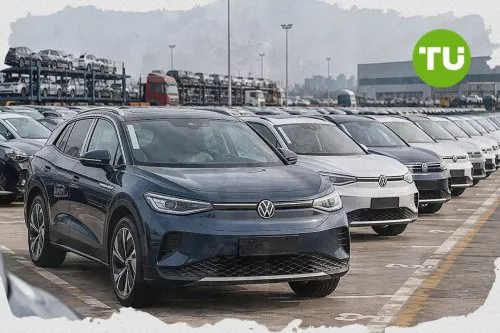
Chinese automakers captured a record share of Europe’s car market in August, using competitively priced hybrid models to reach buyers who remain hesitant about switching entirely to electric vehicles. The gains show how manufacturers, including BYD, are finding room to expand even as European policymakers consider tougher trade measures.
Highlights
- Chinese brands reached nearly 12% of European new-car sales.
- They captured about one-third of hybrid sales.
- Battery and hybrid vehicle demand increased 27% in August.
Chinese brands accounted for nearly 12% of new-car sales in Europe during the month, according to Bloomberg. Their position was considerably stronger among hybrids: Chinese manufacturers represented roughly one in four hybrid sales and about one in three hybrid sales across the EU, EFTA countries, and the UK.
Hybrids open another route into Europe
The shift toward hybrids gives Chinese manufacturers a way to address two obstacles at once. Consumers concerned about charging availability and driving range can retain a combustion engine, while manufacturers can sell vehicles that currently avoid the additional EU tariffs imposed on battery-electric cars imported from China.
European demand is also moving in their direction. Combined sales of battery-electric and hybrid vehicles increased 27% in August, offsetting weaker demand for models powered solely by conventional fuels. The overall European car market expanded 4.6%.
The UK has become particularly important because it does not impose the EU’s additional duties on Chinese EVs. More than 20% of new cars sold in Britain are now Chinese brands. Growth is also becoming visible in Germany, where Chinese manufacturers reached a 6.4% market share in August.
The German market is especially valuable because of its scale. Even a smaller percentage of sales there can translate into substantial volumes for manufacturers trying to establish a broader European presence.
Tariff pressure could spread to hybrids
The regulatory advantage enjoyed by Chinese hybrids may not last. Germany is preparing economic-security measures that could include additional tariffs on Chinese hybrid imports, potentially extending trade restrictions beyond fully electric vehicles.
That prospect comes as European manufacturers face pressure from both directions. Chinese companies are gaining share in mass-market vehicles, while stronger EV demand is forcing established manufacturers to sell more lower-margin electric models.
Volkswagen has already warned that growing EV sales are weighing on profitability at its Volkswagen passenger-car and Audi businesses. European manufacturers will have another opportunity to respond at the Paris car show next month, while Chinese brands are expected to push further beyond the mass market and toward premium vehicles.
Europe’s competitive balance is shifting
The August figures suggest Chinese manufacturers are no longer relying exclusively on battery-electric vehicles to expand in Europe. Hybrids have become another significant entry point, allowing them to capture consumers who want electrification without depending entirely on charging infrastructure.
With Chinese brands approaching 12% of the regional market, their expansion is becoming harder for European competitors and policymakers to treat as a niche EV phenomenon. Whether that momentum continues may increasingly depend on how Europe chooses to regulate hybrid imports.
We have previously highlighted that Volkswagen may sell Ducati as part of a group overhaul.





Latest Volkswagen News





-
 Afghanistan
-
 Albania
-
 Algeria
-
 Angola
-
 Argentina
-
 Armenia
-
 Australia
-
 Austria
-
 Azerbaijan
-
 Bahamas
-
 Bahrain
-
 Bangladesh
-
 Belarus
-
 Belgium
-
 Bolivia
-
 Botswana
-
 Brazil
-
 Brunei
-
 Bulgaria
-
 Cambodia
-
 Cameroon
-
 Canada
-
 Chile
Chile
-
 China
China
-
 Colombia
-
 Congo
Congo
-
 Costa Rica
-
 Cote d'Ivoire
-
 Croatia
-
 Cuba
Cuba
-
 Cyprus
-
 Czechia
-
 DR Congo
-
 Denmark
-
 Dominican Republic
-
 Ecuador
-
 Egypt
Egypt
-
 El Salvador
-
 Estonia
-
 Eswatini
-
 Ethiopia
-
 Finland
-
 France
-
 Georgia
-
 Germany
-
 Ghana
Ghana
-
 Greece
-
 Haiti
Haiti
-
 Hong Kong
-
 Hungary
-
 India
India
-
 Indonesia
-
 Iran, Islamic republic
-
 Iraq
Iraq
-
 Ireland
-
 Israel
-
 Italy
Italy
-
 Jamaica
-
 Japan
Japan
-
 Jordan
-
 Kazakhstan
-
 Kenya
Kenya
-
 Korea
Korea
-
 Kuwait
-
 Kyrgyzstan
-
 Laos
Laos
-
 Latvia
-
 Lebanon
-
 Lesotho
-
 Libya
Libya
-
 Lithuania
-
 Luxembourg
-
 Madagascar
-
 Malaysia
-
 Malta
Malta
-
 Mauritius
-
 Mexico
-
 Moldova
-
 Mongolia
-
 Montenegro
-
 Morocco
-
 Mozambique
-
 Myanmar
-
 Namibia
-
 Nepal
Nepal
-
 Netherlands
-
 New Zealand
-
 Nigeria
-
 North Macedonia
-
 Norway
-
 Oman
Oman
-
 Pakistan
-
 Palestine
-
 Panama
-
 Papua New Guinea
-
 Paraguay
-
 Peru
Peru
-
 Philippines
-
 Poland
-
 Portugal
-
 Puerto Rico
-
 Qatar
Qatar
-
 Reunion
-
 Romania
-
 Rwanda
-
 Saudi Arabia
-
 Serbia
-
 Singapore
-
 Slovakia
-
 Slovenia
-
 Somalia
-
 South Africa
-
 Spain
Spain
-
 Sri Lanka
-
 Sweden
-
 Switzerland
-
 Syria
Syria
-
 Taiwan
-
 Tajikistan
-
 Tanzania
-
 Thailand
-
 Trinidad and Tobago
-
 Tunisia
-
 Turkey
-
 UAE
UAE
-
 Uganda
-
 Ukraine
-
 United Kingdom
-
United States
-
 Uruguay
-
 Uzbekistan
-
 Venezuela
-
 Vietnam
-
 Yemen
Yemen
-
 Zambia
-
 Zimbabwe
- Forex
- Crypto












