


WTI is correcting on August 21 after five consecutive sessions of gains, but remains near monthly highs. During European trading, prices fell below $887 per barrel after closing the previous session around $87.83.

Oil is up about 5% for the week as the market once again increases the geopolitical premium due to the lack of progress in resolving the conflict between the U.S. and Iran and continued restrictions on traffic through the Strait of Hormuz. An additional factor has been Washington’s intention to intensify Iran’s economic isolation, including pressure on countries that continue to cooperate with Tehran.
U.S. inventories send a bearish signal
The latest EIA report was notably bearish for crude oil: for the week ended August 14, commercial inventories rose by 4.4 million barrels to 428.8 million, while the market had expected a decline of around 1.6 million. This was already the third consecutive weekly increase. At the same time, gasoline inventories rose by 0.7 million barrels to 209.4 million, while gasoline demand fell to 8.7 million bpd. However, the situation in distillates remains significantly tighter: inventories fell by 1.5 million barrels to 105.6 million and are around 13% below the five-year seasonal average. Refineries are operating almost at full capacity, with utilization reaching 97.2%, which supports strong physical demand for crude.
Supply risks offset weaker demand outlook
The medium-term fundamental picture remains unusually contradictory. In its August report, the IEA lowered its global demand forecast and now expects demand to decline by around 1.6 million bpd in 2026 due to high prices, disruptions to international trade, and weaker economic activity. However, at the same time, the agency sharply downgraded its supply outlook: global production could fall by an average of 4.3 million bpd over the year, while the market deficit in the third quarter is estimated at around 1.8 million bpd. Observed global inventories fell by 69 million barrels in July alone, while the decline since the start of the war has reached around 410 million barrels. The EIA also assumes that serious restrictions on transit through Hormuz will remain in place at least until the end of August and forecasts Brent to average around $85 in the third quarter.
Middle East tensions keep buyers in control
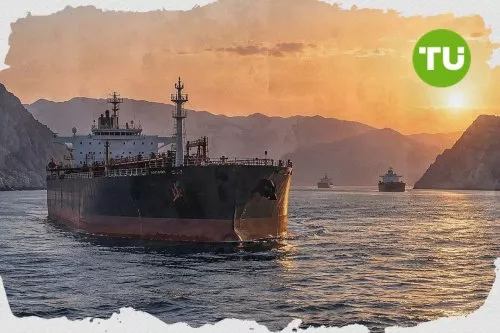
It is the Middle East that is now capable of rapidly changing the market balance. According to the IEA, production in Persian Gulf countries in July remained around 8.3 million bpd below pre-war levels, while regional exports declined after the Strait of Hormuz was effectively closed again. Attempts by Iran and Oman to agree on a new shipping mechanism have so far failed to restore transit fully, while the 60-day period of the U.S.-Iran peace agreement expired without significant progress.
At the same time, part of the flows is being redirected through alternative routes, including Saudi Arabia’s East-West Pipeline, which so far prevents geopolitical risk from turning into an uncontrolled price surge. For WTI, holding above $85-84 keeps buyers in control and preserves the possibility of another test of $89-90. A confident breakout above this area, as noted in WTI climbs toward $90 as Middle East supply risks dominate, would open the way toward $91-93, while a loss of $86.5 would increase the probability of a deeper correction toward $85-84.






Latest WTI News


-
 Afghanistan
-
 Albania
-
 Algeria
-
 Angola
-
 Argentina
-
 Armenia
-
 Australia
-
 Austria
-
 Azerbaijan
-
 Bahamas
-
 Bahrain
-
 Bangladesh
-
 Belarus
-
 Belgium
-
 Bolivia
-
 Botswana
-
 Brazil
-
 Brunei
-
 Bulgaria
-
 Cambodia
-
 Cameroon
-
 Canada
-
 Chile
-
 China
-
 Colombia
-
 Congo
-
 Costa Rica
-
 Cote d'Ivoire
-
 Croatia
-
 Cuba
-
 Cyprus
-
 Czechia
-
 DR Congo
-
 Denmark
-
 Dominican Republic
-
 Ecuador
-
 Egypt
-
 El Salvador
-
 Estonia
-
 Eswatini
-
 Ethiopia
-
 Finland
-
 France
-
 Georgia
-
 Germany
-
 Ghana
-
 Greece
-
 Haiti
-
 Hong Kong
-
 Hungary
-
 India
-
 Indonesia
-
 Iran, Islamic republic
-
 Iraq
-
 Ireland
-
 Israel
-
 Italy
-
 Jamaica
-
 Japan
-
 Jordan
-
 Kazakhstan
-
 Kenya
-
 Korea
-
 Kuwait
-
 Kyrgyzstan
-
 Laos
-
 Latvia
-
 Lebanon
-
 Lesotho
-
 Libya
-
 Lithuania
-
 Luxembourg
-
 Madagascar
-
 Malaysia
-
 Malta
-
 Mauritius
-
 Mexico
-
 Moldova
-
 Mongolia
-
 Montenegro
-
 Morocco
-
 Mozambique
-
 Myanmar
-
 Namibia
-
 Nepal
-
 Netherlands
-
 New Zealand
-
 Nigeria
-
 North Macedonia
-
 Norway
-
 Oman
-
 Pakistan
-
 Palestine
-
 Panama
-
 Papua New Guinea
-
 Paraguay
-
 Peru
-
 Philippines
-
 Poland
-
 Portugal
-
 Puerto Rico
-
 Qatar
-
 Reunion
-
 Romania
-
 Rwanda
-
 Saudi Arabia
-
 Serbia
-
 Singapore
-
 Slovakia
-
 Slovenia
-
 Somalia
-
 South Africa
-
 Spain
-
 Sri Lanka
-
 Sweden
-
 Switzerland
-
 Syria
-
 Taiwan
-
 Tajikistan
-
 Tanzania
-
 Thailand
-
 Trinidad and Tobago
-
 Tunisia
-
 Turkey
-
 UAE
-
 Uganda
-
 Ukraine
-
 United Kingdom
-
United States
-
 Uruguay
-
 Uzbekistan
-
 Venezuela
-
 Vietnam
-
 Yemen
-
 Zambia
-
 Zimbabwe
- Forex
- Crypto












