

Oil set to end week higher as Iran risks persist

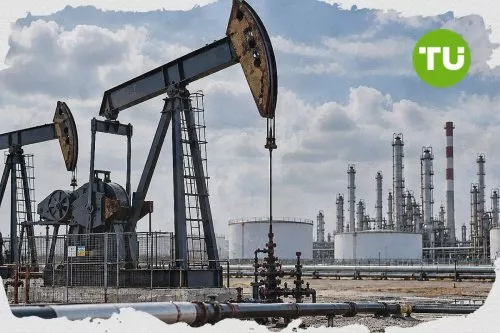
Oil prices moved higher on Friday and headed for a second consecutive weekly gain as escalating U.S. pressure on Iran reinforced concerns over Middle East supply. Persistent disruptions to regional exports are keeping a geopolitical premium embedded in crude prices even without a fresh military escalation.
Highlights
- Brent traded at $94.33, while WTI reached $87.02.
- Both benchmarks are heading for a second weekly gain.
- Tougher U.S. pressure on Iran is sustaining supply concerns.
- Middle Eastern oil flows remain constrained.
According to Reuters, Washington is preparing tougher financial measures against Iran after an earlier U.S.-Iran peace arrangement expired without renewed negotiations. Iranian officials warned of retaliation against additional U.S. pressure, while restrictions on oil shipments and reduced maritime activity continue to complicate energy flows from the region.
Supply risks keep crude supported
Brent crude futures for October were at $94.33 a barrel, up 0.59%, while October WTI futures traded at $87.02, up 0.22%, according to current market data. The weekly advance has been much larger, with Brent gaining more than 6% and WTI rising more than 5% as traders reassess the risk of prolonged supply constraints.
The immediate focus is increasingly on physical availability rather than the prospect of a quick diplomatic breakthrough. Iranian crude offered to Chinese buyers has declined as restrictions curb shipments, while trade sources have reported higher prices for available barrels.
Supply concerns extend beyond Iran. Reduced flows from Saudi Arabia, Iraq, the United Arab Emirates, and Kuwait have tightened the amount of Middle Eastern crude reaching international markets. Maritime traffic through the region also remains depressed, increasing uncertainty over how quickly normal export volumes could return.
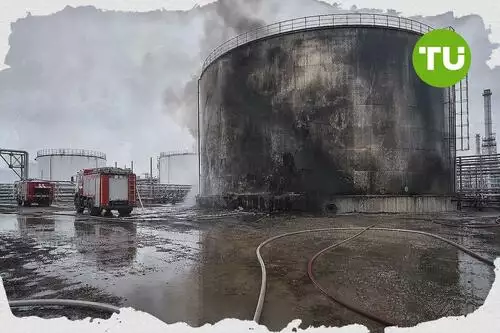
Another source of disruption emerged in Russia after Ukraine struck an oil refinery in Perm, more than 1,600 kilometers from the Ukrainian border. While separate from the Middle East conflict, attacks on Russian refining infrastructure add another layer of uncertainty to global petroleum supply.
Washington raises economic pressure
The United States is increasingly relying on financial and trade restrictions as part of its campaign against Tehran. Additional sanctions could further restrict Iran's ability to sell crude internationally, although the immediate effect may be smaller because existing measures have already reduced exports.
For oil traders, the larger concern is retaliation or additional shipping incidents. Even limited disruptions can have an outsized effect when regional export capacity is already constrained and refiners are competing for replacement barrels.
That backdrop has helped crude maintain its advance despite the absence of a major new battlefield development. The market is effectively pricing the possibility that reduced exports persist longer than previously expected.
Supply risk becomes the price driver
The latest move matters because oil is increasingly responding to physical supply conditions rather than short-lived geopolitical headlines. The rise in prices suggests that traders continue to price in a significant risk premium tied to uncertainty over Middle East exports.
A prolonged disruption would raise feedstock costs for refiners and could eventually filter into fuel prices and inflation. Conversely, any credible diplomatic breakthrough or normalization of regional shipping could remove part of that premium quickly. Until either occurs, constrained supply and tougher U.S. pressure on Iran are likely to remain the central forces shaping crude prices.
Earlier, we reported that Trump rules out Iran talks as Hormuz standoff deepens.




Latest Brent News



-
 Afghanistan
-
 Albania
-
 Algeria
-
 Angola
-
 Argentina
-
 Armenia
-
 Australia
-
 Austria
-
 Azerbaijan
-
 Bahamas
-
 Bahrain
-
 Bangladesh
-
 Belarus
-
 Belgium
-
 Bolivia
-
 Botswana
-
 Brazil
-
 Brunei
-
 Bulgaria
-
 Cambodia
-
 Cameroon
-
 Canada
-
 Chile
-
 China
-
 Colombia
-
 Congo
-
 Costa Rica
-
 Cote d'Ivoire
-
 Croatia
-
 Cuba
-
 Cyprus
-
 Czechia
-
 DR Congo
-
 Denmark
-
 Dominican Republic
-
 Ecuador
-
 Egypt
-
 El Salvador
-
 Estonia
-
 Eswatini
-
 Ethiopia
-
 Finland
-
 France
-
 Georgia
-
 Germany
-
 Ghana
-
 Greece
-
 Haiti
-
 Hong Kong
-
 Hungary
-
 India
-
 Indonesia
-
 Iran, Islamic republic
-
 Iraq
-
 Ireland
-
 Israel
-
 Italy
-
 Jamaica
-
 Japan
-
 Jordan
-
 Kazakhstan
-
 Kenya
-
 Korea
-
 Kuwait
-
 Kyrgyzstan
-
 Laos
-
 Latvia
-
 Lebanon
-
 Lesotho
-
 Libya
-
 Lithuania
-
 Luxembourg
-
 Madagascar
-
 Malaysia
-
 Malta
-
 Mauritius
-
 Mexico
-
 Moldova
-
 Mongolia
-
 Montenegro
-
 Morocco
-
 Mozambique
-
 Myanmar
-
 Namibia
-
 Nepal
-
 Netherlands
-
 New Zealand
-
 Nigeria
-
 North Macedonia
-
 Norway
-
 Oman
-
 Pakistan
-
 Palestine
-
 Panama
-
 Papua New Guinea
-
 Paraguay
-
 Peru
-
 Philippines
-
 Poland
-
 Portugal
-
 Puerto Rico
-
 Qatar
-
 Reunion
-
 Romania
-
 Rwanda
-
 Saudi Arabia
-
 Serbia
-
 Singapore
-
 Slovakia
-
 Slovenia
-
 Somalia
-
 South Africa
-
 Spain
-
 Sri Lanka
-
 Sweden
-
 Switzerland
-
 Syria
-
 Taiwan
-
 Tajikistan
-
 Tanzania
-
 Thailand
-
 Trinidad and Tobago
-
 Tunisia
-
 Turkey
-
 UAE
-
 Uganda
-
 Ukraine
-
 United Kingdom
-
United States
-
 Uruguay
-
 Uzbekistan
-
 Venezuela
-
 Vietnam
-
 Yemen
-
 Zambia
-
 Zimbabwe
- Forex
- Crypto












