

South African Reserve Bank warns new global disorder raises policy risks

Mounting geopolitical conflict, climate shocks and rising debt are creating a more fragile global economy, South African Reserve Bank Governor Lesetja Kganyago says in a speech on policy challenges. He argues that overlapping supply shocks and financial vulnerabilities are making inflation control and macroeconomic management harder, even as South Africa shows some relative resilience.
Highlights
- South African Reserve Bank Governor Kganyago warns that worsening global disorder—driven by climate shocks, geopolitics, AI risks, and high debt—raises policy risks and threatens financial stability.
- Persistent geopolitical strains, including the fifth year of the Russia-Ukraine war and Middle East conflicts, are supporting oil near $100 a barrel and causing supply disruptions across energy and agriculture.
- South Africa's inflation remains on target and fiscal conditions are improving, with debt likely peaking and local yields at 9%, but growth stays subdued at 0.6% annually amid persistent headwinds.
Global shocks reshape the policy environment
As reported by South African Reserve Bank, Kganyago says the world is entering a more dangerous and unpredictable phase marked by climate change, geopolitical tensions, global imbalances, artificial intelligence risks, high debt and the threat of fiscal dominance over monetary policy.He presents a recent disaster in Nepal as a metaphor for the international environment, arguing that systems built for historical risks are proving inadequate for new extremes. From a central bank perspective, he says climate change is bringing more supply shocks, including disruptions to agriculture, higher inflation bursts, larger insurance claims and wider financial stability risks.
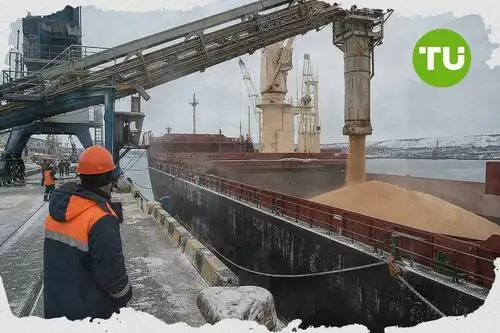
Kganyago says geopolitical strains are adding to those pressures. He points to the fifth year of the Russia-Ukraine war, attacks affecting Black Sea wheat shipments, damage to refining capacity, and a worsening Middle East conflict that is keeping oil near $100 a barrel and disrupting flows through the Strait of Hormuz.
He also warns that large trade imbalances are re-emerging, with risks of abrupt adjustment if major economies fail to coordinate. On technology, he says rapid AI development is creating dangers ranging from cyberattacks to asset bubbles, while global debt is rising alongside multi-decade highs in long-term interest rates in advanced economies.
On fiscal dominance, Kganyago says the danger is real when central banks are pressured to subordinate inflation control to government financing needs. Even so, he rejects the view that central banking is becoming impossible, arguing that independent central banks, especially in emerging markets, can still resist those pressures if they maintain credibility and take difficult decisions.
South Africa shows relative resilience amid weak growth
Kganyago says South Africa's macroeconomic position is improving after years of underperformance, with inflation management and fiscal trends comparing more favorably against several major economies. He says the country has been at its inflation target only about six months ago, a shorter miss than in some advanced economies, and the central bank expects inflation to slow significantly next year as policy remains tight enough to guide it back to 3% around the end of that year.He says fiscal conditions also appear to be improving, with growing conviction that South Africa's debt has already peaked and that the debt-to-GDP ratio will improve over the next few years. That shift, he argues, helps shield the country from the 2026 global bond repricing, with longer-term local yields contained at around 9% and the rand showing unusually low volatility.
Still, Kganyago says South Africa remains an outlier on growth. The economy is affected by the same global shocks as other countries, but a weak underlying trend means even modest external pressure can push output into contraction.
He says growth has averaged about 0.6% a year over the past decade, with potential growth now only modestly higher. While load-shedding has stopped and reforms are under way, he says higher electricity costs, war-related shocks and other headwinds are offsetting those gains, leaving the economy in need of more sustained positive momentum.
Our earlier coverage of the oil-driven bond market selloff explained how a renewed jump in Brent crude above $108 a barrel pushed investors to reprice inflation and interest-rate risks, lifting major sovereign yields led by U.S. Treasuries. We noted that the move spread across Europe and parts of Asia, weighing on equities as markets adjusted to a higher-for-longer rates backdrop and tighter financial conditions.






Latest Wheat News


-
 Afghanistan
-
 Albania
-
 Algeria
-
 Angola
-
 Argentina
-
 Armenia
-
 Australia
-
 Austria
-
 Azerbaijan
-
 Bahamas
-
 Bahrain
-
 Bangladesh
-
 Belarus
-
 Belgium
-
 Bolivia
-
 Botswana
-
 Brazil
-
 Brunei
-
 Bulgaria
-
 Cambodia
-
 Cameroon
-
 Canada
-
 Chile
-
 China
-
 Colombia
-
 Congo
-
 Costa Rica
-
 Cote d'Ivoire
-
 Croatia
-
 Cuba
-
 Cyprus
-
 Czechia
-
 DR Congo
-
 Denmark
-
 Dominican Republic
-
 Ecuador
-
 Egypt
-
 El Salvador
-
 Estonia
-
 Eswatini
-
 Ethiopia
-
 Finland
-
 France
-
 Georgia
-
 Germany
-
 Ghana
-
 Greece
-
 Haiti
-
 Hong Kong
-
 Hungary
-
 India
-
 Indonesia
-
 Iran, Islamic republic
-
 Iraq
-
 Ireland
-
 Israel
-
 Italy
-
 Jamaica
-
 Japan
-
 Jordan
-
 Kazakhstan
-
 Kenya
-
 Korea
-
 Kuwait
-
 Kyrgyzstan
-
 Laos
-
 Latvia
-
 Lebanon
-
 Lesotho
-
 Libya
-
 Lithuania
-
 Luxembourg
-
 Madagascar
-
 Malaysia
-
 Malta
-
 Mauritius
-
 Mexico
-
 Moldova
-
 Mongolia
-
 Montenegro
-
 Morocco
-
 Mozambique
-
 Myanmar
-
 Namibia
-
 Nepal
-
 Netherlands
-
 New Zealand
-
 Nigeria
-
 North Macedonia
-
 Norway
-
 Oman
-
 Pakistan
-
 Palestine
-
 Panama
-
 Papua New Guinea
-
 Paraguay
-
 Peru
-
 Philippines
-
 Poland
-
 Portugal
-
 Puerto Rico
-
 Qatar
-
 Reunion
-
 Romania
-
 Rwanda
-
 Saudi Arabia
-
 Serbia
-
 Singapore
-
 Slovakia
-
 Slovenia
-
 Somalia
-
 South Africa
-
 Spain
-
 Sri Lanka
-
 Sweden
-
 Switzerland
-
 Syria
-
 Taiwan
-
 Tajikistan
-
 Tanzania
-
 Thailand
-
 Trinidad and Tobago
-
 Tunisia
-
 Turkey
-
 UAE
-
 Uganda
-
 Ukraine
-
 United Kingdom
-
United States
-
 Uruguay
-
 Uzbekistan
-
 Venezuela
-
 Vietnam
-
 Yemen
-
 Zambia
-
 Zimbabwe
- Forex
- Crypto












