

Israel plans possible renewed strikes against Iran amid election and oil market risks

Tensions between Israel and Iran are rising again as Prime Minister Benjamin Netanyahu presses for the option of a new military offensive within weeks of Israeli and U.S. elections. The prospect of renewed attacks is adding political and market risk across the region, with potential implications for Gulf security and global energy prices.
Highlights
- Israeli military prepared a multi-day bombing campaign targeting Iranian electricity plants, nuclear facilities, and regime sites, but postponed action after President Trump ruled out attacks before November 3 midterm elections.
- The Israel Defense Forces remain on high alert, cancelling all troop leave until after the October 27 parliamentary elections to safeguard the democratic process amid elevated security threats.
- Potential Israeli or U.S. strikes on Iran could escalate regional conflict, involve Gulf Arab states, and drive up energy prices as Trump faces political pressure to lower fuel costs before elections.
Planned offensive and U.S. constraints
As reported by Financial Times, Netanyahu is pushing to resume large-scale strikes against Iran and earlier this month instructed the Israeli military to prepare a major offensive that would have gone beyond the joint U.S.-Israel campaign launched in February.People familiar with the matter say the Israeli military prepared a multi-day bombing campaign for the weekend of October 10, with targets including electricity plants, nuclear facilities and regime sites. The operation does not proceed, however, after President Donald Trump rules out an attack before the U.S. midterm elections on November 3.
One person familiar with the discussions says it is not unreasonable to expect Israel and Washington to restart strikes in the coming weeks. Another says Israeli officials present an updated target bank based on new intelligence, including civilian infrastructure not hit earlier this year, while a separate person cautions that the earlier plan may also have been intended to pressure Iran in negotiations.
Deputy White House spokesperson Anna Kelly tells the Financial Times that Iran is in very bad condition economically and militarily, that U.S. efforts to blockade Iranian ports and facilitate Gulf oil exports through the Strait of Hormuz are succeeding, and that the United States will not be attacking Iran at any time prior to the midterm elections.
Regional security and political fallout
The Israel Defense Forces remains on heightened alert for several weeks and takes the unusual step of cancelling leave for all troops from Thursday through Israel's parliamentary elections on October 27. IDF chief of staff Eyal Zamir says the move is intended to allow the democratic elections to take place safely and as scheduled.Any strike on Iran risks drawing in not only Israel but also U.S. forces and Gulf Arab states, while also pushing up energy prices as Trump faces pressure to reduce fuel costs ahead of the midterms. Although a fragile ceasefire in April ends the worst of the earlier bombing campaign, Washington and Tehran have since continued tit-for-tat strikes across the region in a volatile struggle over the Strait of Hormuz.
Trump and Netanyahu have both intensified their rhetoric in recent days. Trump warns on Sunday that the U.S. and Israel will soon finish the job unless Iran changes course rapidly, while Netanyahu releases a video on Monday from an Israeli air force base in which he tells Trump that they will finish the job together.
Netanyahu is fighting a difficult re-election campaign ahead of next week's vote, the first electoral test of his leadership since the October 7, 2023 Hamas attack and the regional wars that follow. Current and former Israeli security officials fear that any move toward war close to the election, or during coalition talks if no clear majority emerges, could disrupt the democratic process and test the authority of a transitional government.
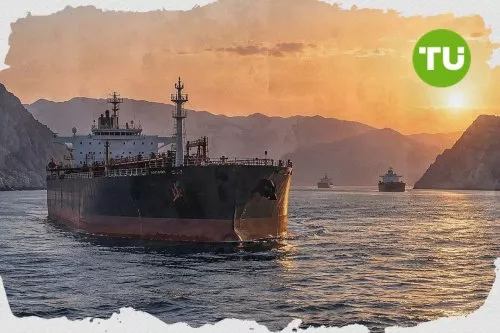
In our earlier article on the conflict-driven spike in oil shipping costs, we explained how attacks and heightened risks around the Strait of Hormuz and the Red Sea sent tanker and insurance rates sharply higher, turning freight into a much larger share of the delivered crude price. We also noted that these disruptions were filtering into broader inflation pressures and creating uneven impacts across import-dependent countries, refiners, and tanker owners as long as security risks persist on major routes.






Latest Brent News


-
 Afghanistan
-
 Albania
-
 Algeria
-
 Angola
-
 Argentina
-
 Armenia
-
 Australia
-
 Austria
-
 Azerbaijan
-
 Bahamas
-
 Bahrain
-
 Bangladesh
-
 Belarus
-
 Belgium
-
 Bolivia
-
 Botswana
-
 Brazil
-
 Brunei
-
 Bulgaria
-
 Cambodia
-
 Cameroon
-
 Canada
-
 Chile
-
 China
-
 Colombia
-
 Congo
-
 Costa Rica
-
 Cote d'Ivoire
-
 Croatia
-
 Cuba
-
 Cyprus
-
 Czechia
-
 DR Congo
-
 Denmark
-
 Dominican Republic
-
 Ecuador
-
 Egypt
-
 El Salvador
-
 Estonia
-
 Eswatini
-
 Ethiopia
-
 Finland
-
 France
-
 Georgia
-
 Germany
-
 Ghana
-
 Greece
-
 Haiti
-
 Hong Kong
-
 Hungary
-
 India
-
 Indonesia
-
 Iran, Islamic republic
-
 Iraq
-
 Ireland
-
 Israel
-
 Italy
-
 Jamaica
-
 Japan
-
 Jordan
-
 Kazakhstan
-
 Kenya
-
 Korea
-
 Kuwait
-
 Kyrgyzstan
-
 Laos
-
 Latvia
-
 Lebanon
-
 Lesotho
-
 Libya
-
 Lithuania
-
 Luxembourg
-
 Madagascar
-
 Malaysia
-
 Malta
-
 Mauritius
-
 Mexico
-
 Moldova
-
 Mongolia
-
 Montenegro
-
 Morocco
-
 Mozambique
-
 Myanmar
-
 Namibia
-
 Nepal
-
 Netherlands
-
 New Zealand
-
 Nigeria
-
 North Macedonia
-
 Norway
-
 Oman
-
 Pakistan
-
 Palestine
-
 Panama
-
 Papua New Guinea
-
 Paraguay
-
 Peru
-
 Philippines
-
 Poland
-
 Portugal
-
 Puerto Rico
-
 Qatar
-
 Reunion
-
 Romania
-
 Rwanda
-
 Saudi Arabia
-
 Serbia
-
 Singapore
-
 Slovakia
-
 Slovenia
-
 Somalia
-
 South Africa
-
 Spain
-
 Sri Lanka
-
 Sweden
-
 Switzerland
-
 Syria
-
 Taiwan
-
 Tajikistan
-
 Tanzania
-
 Thailand
-
 Trinidad and Tobago
-
 Tunisia
-
 Turkey
-
 UAE
-
 Uganda
-
 Ukraine
-
 United Kingdom
-
United States
-
 Uruguay
-
 Uzbekistan
-
 Venezuela
-
 Vietnam
-
 Yemen
-
 Zambia
-
 Zimbabwe
- Forex
- Crypto












