

Apple to hold Oct. 28 product launch as analysts expect Mac updates

Apple is preparing another product presentation later this month as it continues an unusually fast release pace under new CEO John Ternus. The Los Angeles event invitation carries the tagline "Pro and tell," pointing to a likely focus on higher-end devices and Apple-designed chips.
Highlights
- Apple will hold a product launch in Los Angeles on Oct. 28, with expectations centered on new premium 'Pro' Macs featuring in-house chips.
- Analyst Ben Reitzes from Melius Research anticipates the unveiling of a touchscreen notebook and notes this is Apple's third launch event under Ternus in 2024.
- Apple Mac sales comprise 10% of total revenue, shares are up 26% year-to-date, and collaboration with Meta on Mac Studios adds AI hardware expectations.
Launch focus and product expectations
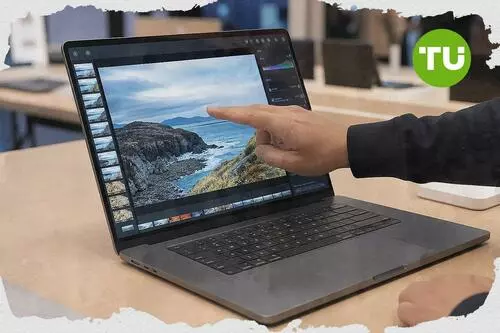
As reported by CNBC, citing Apple, the company has scheduled a product launch event for Oct. 28 and sent invitations on Monday for an "Apple Experience in Los Angeles." The wording in the invitation suggests the presentation will center on premium "Pro" products, with attention likely on devices powered by the company's in-house chips.Ben Reitzes, an analyst at Melius Research, says in a Monday note that he expects Apple to unveil new Macs this fall, including a touchscreen notebook. He adds that the release cadence under Ternus represents a meaningful shift from Apple's previous pattern of holding two launch events a year.
This is Apple's third launch event during Ternus' short tenure. It follows a headquarters event for new iPhones, including the foldable Duo, and a New York gathering focused on smart home hubs and a new screen-equipped speaker called HomeView.
Mac business importance and broader market context
Apple has already refreshed several Mac products this year, updating the Mac Mini and Mac Studio with new chips in August and revising the MacBook Pro in the spring alongside a lower-cost MacBook Neo. The iMac, however, has not received an update since October 2024.In the most recent quarter, Mac sales account for about 10% of Apple's overall revenue, leaving the company still heavily dependent on the iPhone business. Even so, Macs have become a key part of Apple's artificial intelligence push because their chips can access larger amounts of memory at higher speeds than other consumer processors.
Investor interest in that strategy remains strong, with Apple shares up 26% so far this year, ahead of the S&P 500. Last week, Apple and Meta also teamed up to bring a large open-weight model developed by Meta to multiple high-end Mac Studios, a move that adds to expectations around more advanced Mac hardware even as Apple has historically resisted touchscreen laptops.
In our earlier coverage of the AI-linked tech selloff driven by rate fears, we explained how hotter-than-expected U.S. inflation data revived expectations of further Federal Reserve tightening and hit Nasdaq-linked names. We also noted that investors were reassessing the cost of financing large-scale AI infrastructure buildouts, pressuring chipmakers, cloud players, and other AI beneficiaries.






Latest Apple News



-
 Afghanistan
-
 Albania
-
 Algeria
-
 Angola
-
 Argentina
-
 Armenia
-
 Australia
-
 Austria
-
 Azerbaijan
-
 Bahamas
-
 Bahrain
-
 Bangladesh
-
 Belarus
-
 Belgium
-
 Bolivia
-
 Botswana
-
 Brazil
-
 Brunei
-
 Bulgaria
-
 Cambodia
-
 Cameroon
-
 Canada
-
 Chile
-
 China
-
 Colombia
-
 Congo
-
 Costa Rica
-
 Cote d'Ivoire
-
 Croatia
-
 Cuba
-
 Cyprus
-
 Czechia
-
 DR Congo
-
 Denmark
-
 Dominican Republic
-
 Ecuador
-
 Egypt
-
 El Salvador
-
 Estonia
-
 Eswatini
-
 Ethiopia
-
 Finland
-
 France
-
 Georgia
-
 Germany
-
 Ghana
-
 Greece
-
 Haiti
-
 Hong Kong
-
 Hungary
-
 India
-
 Indonesia
-
 Iran, Islamic republic
-
 Iraq
-
 Ireland
-
 Israel
-
 Italy
-
 Jamaica
-
 Japan
-
 Jordan
-
 Kazakhstan
-
 Kenya
-
 Korea
-
 Kuwait
-
 Kyrgyzstan
-
 Laos
-
 Latvia
-
 Lebanon
-
 Lesotho
-
 Libya
-
 Lithuania
-
 Luxembourg
-
 Madagascar
-
 Malaysia
-
 Malta
-
 Mauritius
-
 Mexico
-
 Moldova
-
 Mongolia
-
 Montenegro
-
 Morocco
-
 Mozambique
-
 Myanmar
-
 Namibia
-
 Nepal
-
 Netherlands
-
 New Zealand
-
 Nigeria
-
 North Macedonia
-
 Norway
-
 Oman
-
 Pakistan
-
 Palestine
-
 Panama
-
 Papua New Guinea
-
 Paraguay
-
 Peru
-
 Philippines
-
 Poland
-
 Portugal
-
 Puerto Rico
-
 Qatar
-
 Reunion
-
 Romania
-
 Rwanda
-
 Saudi Arabia
-
 Serbia
-
 Singapore
-
 Slovakia
-
 Slovenia
-
 Somalia
-
 South Africa
-
 Spain
-
 Sri Lanka
-
 Sweden
-
 Switzerland
-
 Syria
-
 Taiwan
-
 Tajikistan
-
 Tanzania
-
 Thailand
-
 Trinidad and Tobago
-
 Tunisia
-
 Turkey
-
 UAE
-
 Uganda
-
 Ukraine
-
 United Kingdom
-
United States
-
 Uruguay
-
 Uzbekistan
-
 Venezuela
-
 Vietnam
-
 Yemen
-
 Zambia
-
 Zimbabwe
- Forex
- Crypto












