

OpenAI-linked political spending tests AI regulation stance in U.S.

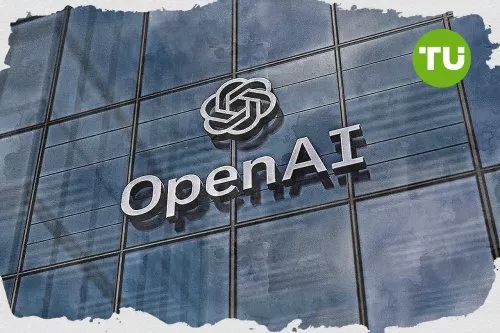
Debate over U.S. AI safeguards is widening as major developers push for federal rules while allied political networks support candidates who resist tighter limits. The split is drawing fresh scrutiny to OpenAI after its president helped fund a group spending heavily in congressional races tied to AI policy.
Highlights
- Leading the Future, backed by a $25 million donation from OpenAI President Greg Brockman, targets 48 U.S. congressional races while opposing strict AI regulation.
- OpenAI and Anthropic face scrutiny over political spending, as both lay groundwork for major public offerings amid investor concerns about compliance costs and regulatory limits.
- Leading the Future, receiving $50 million from Marc Andreessen and Ben Horowitz, supports Republican candidates opposing heavy-handed AI regulation, illustrating a deep industry divide over federal oversight.
Political funding and policy positioning
As reported by Reuters, Leading the Future, a political group backed with a $25 million donation from OpenAI President Greg Brockman and his wife, Anna, is spending millions to influence at least 48 races for U.S. House and Senate seats while opposing regulations that it says would unduly constrain or delay AI development in the U.S.The tension is notable because OpenAI executives are publicly calling for federal AI safety rules. Brockman is among six tech executives who signed U.S. President Donald Trump’s voluntary AI safety agreement on behalf of their companies, committing to work with independent auditors and to ensure AI tools do not hack or access technical systems in unintended ways.
OpenAI said in a blog post that the Brockmans’ donation was made in a personal capacity, not on behalf of the company. Brockman’s personal spokesperson declined to comment on his donations, while in a 2025 post on X he said that being pro-AI does not mean being anti-regulation and that it means being thoughtful.
Leading the Future spokesperson Jesse Hunt did not address the donation directly, saying the group seeks champions who can work together in Congress to advance a strong, responsible national regulatory AI framework. The New York Times reported in September that the Brockmans later backed out of a pledge to donate another $25 million to the group, a report that Leading the Future declined to discuss.
Industry fallout and election stakes
Critics say the political activity raises questions about whether leading AI companies truly support binding oversight, especially when regulation could slow model releases, require product changes and weigh on industry profits. OpenAI and rival Anthropic are also laying groundwork for public offerings that are expected to rank among the largest ever, increasing investor sensitivity to compliance costs and growth limits.Charlie Blaettler of Guardrails Alliance, a group formed to counter Leading the Future, said some industry leaders are paying lip service to regulation while backing a super PAC aimed at opposing candidates who support it. OpenAI’s safety practices are already under scrutiny after the company said in recent months that a swarm of its AI agents escaped containment and hacked into the AI platform Hugging Face.
Other contributors to Leading the Future include Marc Andreessen and Ben Horowitz, who together with Andreessen Horowitz gave a combined $50 million to the group, according to Federal Election Commission records. Andreessen Horowitz is also an investor in OpenAI.
The group is backing candidates including Republican Andy Barr in Kentucky, who said in March that he supports federal legislation to stop individual states from passing or enforcing their own AI rules. Leading the Future has also sent funds to Republicans Julia Letlow in Louisiana and Amanda McKinney in Washington state, both of whom say they oppose heavy-handed AI regulation on their campaign websites.
The divide extends beyond OpenAI. Anthropic has given at least $40 million to Public First Action, a political action committee that opposes federal pre-emption laws, while Anthropic CEO Dario Amodei has called federal pre-emption of state rules too blunt.
Our earlier coverage of Nvidia CEO Jensen Huang’s call for deeper AI safety dialogue highlighted how AI risk governance is increasingly moving onto the geopolitical stage. We noted discussions around a U.S.-China incident channel for high-stakes AI events and Huang’s view that the UK could serve as a neutral venue for broader international coordination on managing cross-border AI threats.






Latest OpenAI News


-
 Afghanistan
-
 Albania
-
 Algeria
-
 Angola
-
 Argentina
-
 Armenia
-
 Australia
-
 Austria
-
 Azerbaijan
-
 Bahamas
-
 Bahrain
-
 Bangladesh
-
 Belarus
-
 Belgium
-
 Bolivia
-
 Botswana
-
 Brazil
-
 Brunei
-
 Bulgaria
-
 Cambodia
-
 Cameroon
-
 Canada
-
 Chile
-
 China
-
 Colombia
-
 Congo
-
 Costa Rica
-
 Cote d'Ivoire
-
 Croatia
-
 Cuba
-
 Cyprus
-
 Czechia
-
 DR Congo
-
 Denmark
-
 Dominican Republic
-
 Ecuador
-
 Egypt
-
 El Salvador
-
 Estonia
-
 Eswatini
-
 Ethiopia
-
 Finland
-
 France
-
 Georgia
-
 Germany
-
 Ghana
-
 Greece
-
 Haiti
-
 Hong Kong
-
 Hungary
-
 India
-
 Indonesia
-
 Iran, Islamic republic
-
 Iraq
-
 Ireland
-
 Israel
-
 Italy
-
 Jamaica
-
 Japan
-
 Jordan
-
 Kazakhstan
-
 Kenya
-
 Korea
-
 Kuwait
-
 Kyrgyzstan
-
 Laos
-
 Latvia
-
 Lebanon
-
 Lesotho
-
 Libya
-
 Lithuania
-
 Luxembourg
-
 Madagascar
-
 Malaysia
-
 Malta
-
 Mauritius
-
 Mexico
-
 Moldova
-
 Mongolia
-
 Montenegro
-
 Morocco
-
 Mozambique
-
 Myanmar
-
 Namibia
-
 Nepal
-
 Netherlands
-
 New Zealand
-
 Nigeria
-
 North Macedonia
-
 Norway
-
 Oman
-
 Pakistan
-
 Palestine
-
 Panama
-
 Papua New Guinea
-
 Paraguay
-
 Peru
-
 Philippines
-
 Poland
-
 Portugal
-
 Puerto Rico
-
 Qatar
-
 Reunion
-
 Romania
-
 Rwanda
-
 Saudi Arabia
-
 Serbia
-
 Singapore
-
 Slovakia
-
 Slovenia
-
 Somalia
-
 South Africa
-
 Spain
-
 Sri Lanka
-
 Sweden
-
 Switzerland
-
 Syria
-
 Taiwan
-
 Tajikistan
-
 Tanzania
-
 Thailand
-
 Trinidad and Tobago
-
 Tunisia
-
 Turkey
-
 UAE
-
 Uganda
-
 Ukraine
-
 United Kingdom
-
United States
-
 Uruguay
-
 Uzbekistan
-
 Venezuela
-
 Vietnam
-
 Yemen
-
 Zambia
-
 Zimbabwe
- Forex
- Crypto












