

Nvidia flags sustained memory demand as Huang dismisses 2029 glut fears

Memory stocks have come under pressure in the past week as investors worry about oversupply and softer demand in coming years. Nvidia Chief Executive Jensen Huang says those concerns do not point to a likely memory glut by 2029, arguing that advancing AI systems will continue to absorb large volumes of memory.
Highlights
- Nvidia CEO Jensen Huang predicts sustained long-term demand for high-bandwidth memory and dismisses fears of a market supply glut before 2029.
- Huang highlights Nvidia's use of LPDDR memory in data centers to achieve twice the energy efficiency of competing systems and commits to continued large-scale adoption.
- Nvidia is open to partnering with suppliers like CXMT and continues to work with Chinese firms, while maintaining confidence in the competitive abilities of American tech firms.
Huang outlines long-term memory demand
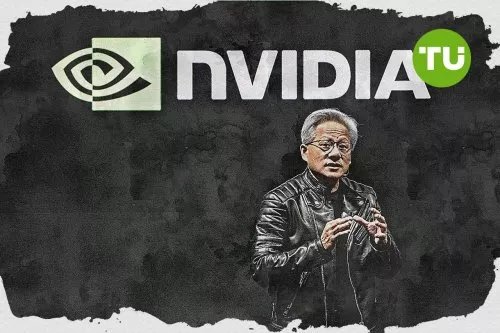
As reported by CNBC, Huang said on Thursday that a surplus of memory supply is unlikely by 2029, even as memory shares have sold off on concerns that the market could face oversupply and weaker demand.Speaking in a wide-ranging interview with Arjun Kharpal on the sidelines of Nvidia's GTC Berlin conference, Huang said memory remains structurally important because "you can always use more of it." He added that high-bandwidth memory, or HBM, is set to remain in use for years.
Huang also said Nvidia is using LPDDR memory, commonly found in mobile phones, in data centers. He said that approach has helped the company deliver performance that is twice as energy efficient as other available systems, and added that Nvidia plans to keep using large amounts of that memory.
Implications for suppliers and competition
Memory is a core component in Nvidia's chips, and a supply glut could lower prices and pressure margins for manufacturers such as SK Hynix, Samsung and Micron.Asked whether Nvidia may partner with CXMT and use its memory products, Huang said the company is keeping an open mind. He added that Nvidia works with Chinese companies and said much of the global supply chain involves Chinese suppliers in some capacity.
Huang also said American technology companies are "mighty" and prepared to compete with any rival, underscoring Nvidia's confidence as demand for AI infrastructure continues to shape the memory market.
In our earlier article on Micron Technology’s technical setup, we noted that the stock’s post-rally momentum had started to fade after breaking below a rising wedge on the weekly chart. The piece highlighted weakening RSI and MACD signals and outlined key support and resistance zones that could frame near-term moves as investors reassess the outlook for memory-related names.









-
 Afghanistan
-
 Albania
-
 Algeria
-
 Angola
-
 Argentina
-
 Armenia
-
 Australia
-
 Austria
-
 Azerbaijan
-
 Bahamas
-
 Bahrain
-
 Bangladesh
-
 Belarus
-
 Belgium
-
 Bolivia
-
 Botswana
-
 Brazil
-
 Brunei
-
 Bulgaria
-
 Cambodia
-
 Cameroon
-
 Canada
-
 Chile
-
 China
-
 Colombia
-
 Congo
-
 Costa Rica
-
 Cote d'Ivoire
-
 Croatia
-
 Cuba
-
 Cyprus
-
 Czechia
-
 DR Congo
-
 Denmark
-
 Dominican Republic
-
 Ecuador
-
 Egypt
-
 El Salvador
-
 Estonia
-
 Eswatini
-
 Ethiopia
-
 Finland
-
 France
-
 Georgia
-
 Germany
-
 Ghana
-
 Greece
-
 Haiti
-
 Hong Kong
-
 Hungary
-
 India
-
 Indonesia
-
 Iran, Islamic republic
-
 Iraq
-
 Ireland
-
 Israel
-
 Italy
-
 Jamaica
-
 Japan
-
 Jordan
-
 Kazakhstan
-
 Kenya
-
 Korea
-
 Kuwait
-
 Kyrgyzstan
-
 Laos
-
 Latvia
-
 Lebanon
-
 Lesotho
-
 Libya
-
 Lithuania
-
 Luxembourg
-
 Madagascar
-
 Malaysia
-
 Malta
-
 Mauritius
-
 Mexico
-
 Moldova
-
 Mongolia
-
 Montenegro
-
 Morocco
-
 Mozambique
-
 Myanmar
-
 Namibia
-
 Nepal
-
 Netherlands
-
 New Zealand
-
 Nigeria
-
 North Macedonia
-
 Norway
-
 Oman
-
 Pakistan
-
 Palestine
-
 Panama
-
 Papua New Guinea
-
 Paraguay
-
 Peru
-
 Philippines
-
 Poland
-
 Portugal
-
 Puerto Rico
-
 Qatar
-
 Reunion
-
 Romania
-
 Rwanda
-
 Saudi Arabia
-
 Serbia
-
 Singapore
-
 Slovakia
-
 Slovenia
-
 Somalia
-
 South Africa
-
 Spain
-
 Sri Lanka
-
 Sweden
-
 Switzerland
-
 Syria
-
 Taiwan
-
 Tajikistan
-
 Tanzania
-
 Thailand
-
 Trinidad and Tobago
-
 Tunisia
-
 Turkey
-
 UAE
-
 Uganda
-
 Ukraine
-
 United Kingdom
-
United States
-
 Uruguay
-
 Uzbekistan
-
 Venezuela
-
 Vietnam
-
 Yemen
-
 Zambia
-
 Zimbabwe
- Forex
- Crypto












