
Thailand unifies gold and crypto oversight in new anti–money laundering drive
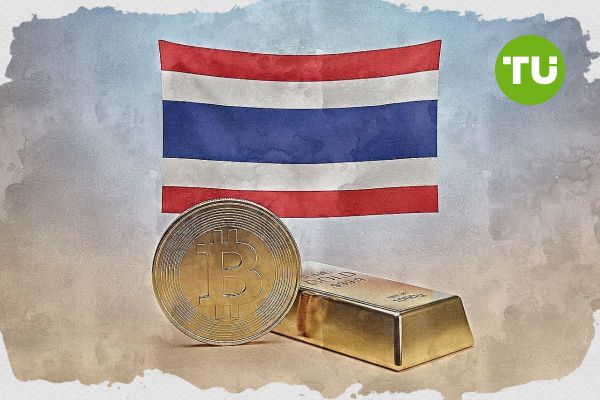
Thailand has launched a coordinated campaign against so-called “gray money,” tightening oversight across both physical gold markets and digital assets to close money-laundering loopholes.
The initiative, ordered by Prime Minister Anutin Charnvirakul, brings traditionally separate asset classes under a unified enforcement framework, reports Cointelegraph.
Local media reported that criminal networks have increasingly exploited gold bars, online gold platforms and cryptocurrencies to move and store value outside the banking system. Speaking at the Ministry of Finance, Charnvirakul said the effort addresses both modern digital risks and long-standing “analogue” financial crimes. The government’s goal is to protect financial integrity by treating all high-risk value channels consistently. This marks a shift away from siloed regulation toward a holistic view of illicit finance. Authorities say the campaign reflects the evolving sophistication of criminal activity.
Real-time monitoring and tighter reporting rules
A key pillar of the plan is the creation of a national data hub designed to monitor suspicious activity in real time and generate risk profiles across asset classes. On the gold side, Thailand’s Anti-Money Laundering Office has been instructed to lower the reporting threshold for physical gold purchases, currently set at 2 million Thai baht. Officials said criminals often split transactions into smaller amounts to avoid detection under the existing rules. Regulators are also weighing new taxes and stricter audit requirements for online gold trading platforms.
For digital assets, the Securities and Exchange Commission has been told to strictly enforce the global Travel Rule. This requires licensed crypto service providers to collect and share sender and recipient information for certain transactions. While self-custody wallets are not banned, stricter enforcement could indirectly increase friction for withdrawals.
Crypto folded into Thailand’s broader enforcement model
Thailand has long favored a regulator-led approach to crypto, emphasizing licensing, supervision and clear compliance standards. The country was among the first in Southeast Asia to place exchanges, brokers and dealers directly under SEC oversight. In recent years, authorities have cracked down on misleading crypto advertising and targeted foreign peer-to-peer platforms linked to financial crime. The new “gray money” campaign goes further by explicitly treating crypto and gold as parallel channels for illicit finance.
This signals that digital assets are no longer viewed as a regulatory exception. Instead, they are being integrated into a broader, data-driven enforcement architecture. The move suggests Thailand intends to normalize crypto regulation by holding it to the same scrutiny as traditional stores of value.
Recently we wrote that South Korea’s Financial Services Commission (FSC) is set to allow listed companies and professional investors to invest directly in cryptocurrencies, marking a major policy shift after nearly a decade of restrictions.


Latest Crypto News






-
 Afghanistan
-
 Albania
-
 Algeria
-
 Angola
-
 Argentina
-
 Armenia
-
 Australia
-
 Austria
-
 Azerbaijan
-
 Bahamas
-
 Bahrain
-
 Bangladesh
-
 Belarus
-
 Belgium
-
 Bolivia
-
 Botswana
-
 Brazil
-
 Brunei
-
 Bulgaria
-
 Cambodia
-
 Cameroon
-
 Canada
-
 Chile
Chile
-
 China
China
-
 Colombia
-
 Congo
Congo
-
 Costa Rica
-
 Cote d'Ivoire
-
 Croatia
-
 Cuba
Cuba
-
 Cyprus
-
 Czechia
-
 DR Congo
-
 Denmark
-
 Dominican Republic
-
 Ecuador
-
 Egypt
Egypt
-
 El Salvador
-
 Estonia
-
 Eswatini
-
 Ethiopia
-
 Finland
-
 France
-
 Georgia
-
 Germany
-
 Ghana
Ghana
-
 Greece
-
 Haiti
Haiti
-
 Hong Kong
-
 Hungary
-
 India
India
-
 Indonesia
-
 Iran, Islamic republic
-
 Iraq
Iraq
-
 Ireland
-
 Israel
-
 Italy
Italy
-
 Jamaica
-
 Japan
Japan
-
 Jordan
-
 Kazakhstan
-
 Kenya
Kenya
-
 Korea
Korea
-
 Kuwait
-
 Kyrgyzstan
-
 Laos
Laos
-
 Latvia
-
 Lebanon
-
 Lesotho
-
 Libya
Libya
-
 Lithuania
-
 Luxembourg
-
 Madagascar
-
 Malaysia
-
 Malta
Malta
-
 Mauritius
-
 Mexico
-
 Moldova
-
 Mongolia
-
 Montenegro
-
 Morocco
-
 Mozambique
-
 Myanmar
-
 Namibia
-
 Nepal
Nepal
-
 Netherlands
-
 New Zealand
-
 Nigeria
-
 North Macedonia
-
 Norway
-
 Oman
Oman
-
 Pakistan
-
 Palestine
-
 Panama
-
 Papua New Guinea
-
 Paraguay
-
 Peru
Peru
-
 Philippines
-
 Poland
-
 Portugal
-
 Puerto Rico
-
 Qatar
Qatar
-
 Reunion
-
 Romania
-
 Rwanda
-
 Saudi Arabia
-
 Serbia
-
 Singapore
-
 Slovakia
-
 Slovenia
-
 Somalia
-
 South Africa
-
 Spain
Spain
-
 Sri Lanka
-
 Sweden
-
 Switzerland
-
 Syria
Syria
-
 Taiwan
-
 Tajikistan
-
 Tanzania
-
 Thailand
-
 Trinidad and Tobago
-
 Tunisia
-
 Turkey
-
 UAE
UAE
-
 Uganda
-
 Ukraine
-
 United Kingdom
-
United States
-
 Uruguay
-
 Uzbekistan
-
 Venezuela
-
 Vietnam
-
 Yemen
Yemen
-
 Zambia
-
 Zimbabwe
- Forex
- Crypto












