
22 BTC stolen from Seoul police cold wallet under investigation
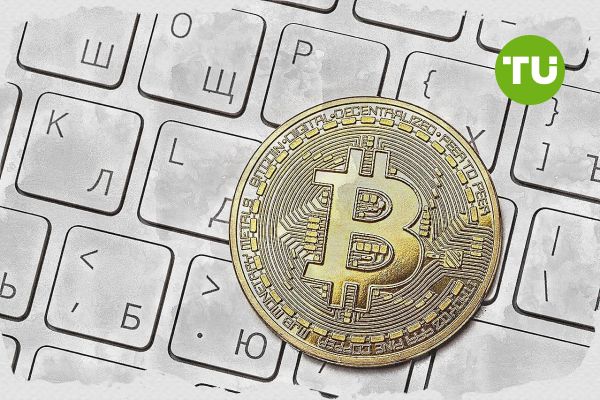
Police in Seoul’s Gangnam district have lost 22 BTC that had been stored in a cold wallet since 2021. The coins, which were seized during an investigation, were transferred out of a USB device, although the physical hardware itself was not stolen.
The incident was uncovered during an internal audit, local outlet Donga reported.
According to authorities, the missing 22 BTC are worth about $1.5 million. The funds had been held since November 2021, but the breach went unnoticed because the investigation had been suspended. Police officers may be involved in the disappearance of Bitcoins.
The inspection in Gangnam follows another high-profile case. Earlier, the Gwangju District Prosecutors’ Office lost 320 BTC. Preliminary reports indicate that investigators responsible for managing the evidence accidentally accessed a phishing website, after which the coins were drained.
Why it matters
The case raises fresh concerns about how government agencies store digital assets. Even cold wallets, widely considered one of the safest ways to hold cryptocurrency, remain vulnerable to human error — including phishing, compromised access credentials or insider misconduct.For law enforcement, such incidents also pose reputational risks. The loss of seized assets can complicate court proceedings and undermine trust in evidence management systems. As the volume of confiscated crypto grows globally, cybersecurity standards for public institutions are becoming increasingly critical.
Status of cryptocurrencies in South Korea
Crypto regulation in South Korea has been evolving rapidly since 2021. That year, authorities introduced a law requiring crypto exchanges to register with the Financial Intelligence Unit (FIU), comply with KYC/AML requirements, use real-name verified bank accounts and obtain cybersecurity certification.In 2024, the country launched the first phase of comprehensive oversight with the Virtual Asset User Protection Act (VAUPA). In 2025–2026, regulators plan to move to the second phase by adopting the Digital Asset Basic Act. The bill is expected to regulate stablecoins, allow spot crypto ETFs, open crypto investment to corporations, establish rules for security token offerings (STOs) and strengthen market surveillance to combat manipulation.
Earlier, South Korea also announced plans to review its “one exchange — one bank” rule amid growing concerns over market competition.







-
 Afghanistan
-
 Albania
-
 Algeria
-
 Angola
-
 Argentina
-
 Armenia
-
 Australia
-
 Austria
-
 Azerbaijan
-
 Bahamas
-
 Bahrain
-
 Bangladesh
-
 Belarus
-
 Belgium
-
 Bolivia
-
 Botswana
-
 Brazil
-
 Brunei
-
 Bulgaria
-
 Cambodia
-
 Cameroon
-
 Canada
-
 Chile
Chile
-
 China
China
-
 Colombia
-
 Congo
Congo
-
 Costa Rica
-
 Cote d'Ivoire
-
 Croatia
-
 Cuba
Cuba
-
 Cyprus
-
 Czechia
-
 DR Congo
-
 Denmark
-
 Dominican Republic
-
 Ecuador
-
 Egypt
Egypt
-
 El Salvador
-
 Estonia
-
 Eswatini
-
 Ethiopia
-
 Finland
-
 France
-
 Georgia
-
 Germany
-
 Ghana
Ghana
-
 Greece
-
 Haiti
Haiti
-
 Hong Kong
-
 Hungary
-
 India
India
-
 Indonesia
-
 Iran, Islamic republic
-
 Iraq
Iraq
-
 Ireland
-
 Israel
-
 Italy
Italy
-
 Jamaica
-
 Japan
Japan
-
 Jordan
-
 Kazakhstan
-
 Kenya
Kenya
-
 Korea
Korea
-
 Kuwait
-
 Kyrgyzstan
-
 Laos
Laos
-
 Latvia
-
 Lebanon
-
 Lesotho
-
 Libya
Libya
-
 Lithuania
-
 Luxembourg
-
 Madagascar
-
 Malaysia
-
 Malta
Malta
-
 Mauritius
-
 Mexico
-
 Moldova
-
 Mongolia
-
 Montenegro
-
 Morocco
-
 Mozambique
-
 Myanmar
-
 Namibia
-
 Nepal
Nepal
-
 Netherlands
-
 New Zealand
-
 Nigeria
-
 North Macedonia
-
 Norway
-
 Oman
Oman
-
 Pakistan
-
 Palestine
-
 Panama
-
 Papua New Guinea
-
 Paraguay
-
 Peru
Peru
-
 Philippines
-
 Poland
-
 Portugal
-
 Puerto Rico
-
 Qatar
Qatar
-
 Reunion
-
 Romania
-
 Rwanda
-
 Saudi Arabia
-
 Serbia
-
 Singapore
-
 Slovakia
-
 Slovenia
-
 Somalia
-
 South Africa
-
 Spain
Spain
-
 Sri Lanka
-
 Sweden
-
 Switzerland
-
 Syria
Syria
-
 Taiwan
-
 Tajikistan
-
 Tanzania
-
 Thailand
-
 Trinidad and Tobago
-
 Tunisia
-
 Turkey
-
 UAE
UAE
-
 Uganda
-
 Ukraine
-
 United Kingdom
-
United States
-
 Uruguay
-
 Uzbekistan
-
 Venezuela
-
 Vietnam
-
 Yemen
Yemen
-
 Zambia
-
 Zimbabwe
- Forex
- Crypto











