

X clarifies off-platform crypto trading model
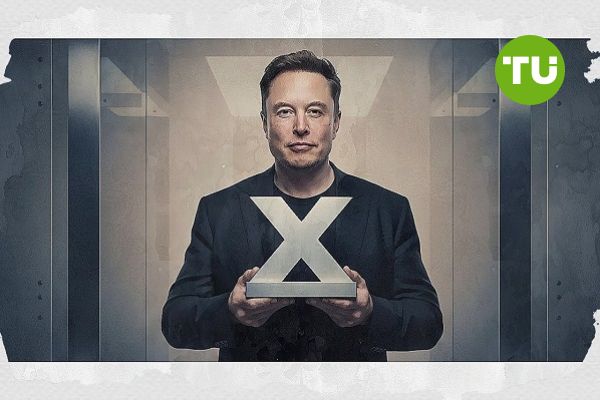
On Monday, the crypto market experienced heightened volatility, partly linked to uncertainty surrounding how trading would be organized on the X platform. The situation stabilized after the social network announced that all transactions would be executed off-platform through partner brokers.
X clarified that it does not execute transactions or act as a broker. The platform will display real-time prices and charts, while routing any trades to external channels.
“Smart cashtags will display real-time cryptocurrency prices and charts, but all trades will be executed off-platform through partner brokers,” Nikita Bier said.
This structure allows X to manage the pricing interface, education, and information discovery, while order handling, execution, and settlement are carried out by regulated intermediaries under their own compliance frameworks.
Under this approach, X does not process or custody customer orders. Partner brokers receive instructions, provide confirmations, and maintain required records in accordance with applicable regulations.
A similar model is used in private market infrastructure. According to Coincu, Equidefi described a “compliance-first SaaS model” that does not act as a broker-dealer or investment adviser.
The overarching principle is clear separation of roles: software provides workflows and information, while regulated entities handle client onboarding, order execution, and investor-facing regulated activities.
Regulators require clear role separation
Both the UK Financial Conduct Authority (FCA) and the U.S. Securities and Exchange Commission (SEC) distinguish between product development and licensed trading activities. Clear delineation reduces regulatory risk and the likelihood of misinterpretation.
As noted by Morgan Lewis, SEC staff have indicated that transaction-based compensation alone does not confer broker status if a party does not execute trades on behalf of others. This underscores why portfolio management roles remain non-broker functions.
For users, displayed prices and charts are informational. When trading is available, order placement and execution occur off-platform through partner brokers, with clear routing and risk disclosures upon order transmission.
For partners, responsibilities typically include best execution, recordkeeping, and supervisory monitoring, while the platform maintains user interface integrity, data labeling, and incident escalation procedures defined in contracts.
In terms of disclosure, the platform must state that it is not a broker-dealer or investment adviser and does not execute trades. Wording must accurately reflect operational reality and remain consistent across platforms.
As we wrote, X introduces smart cash tags with direct trading capabilities in the news feed





Latest Crypto News





-
 Afghanistan
-
 Albania
-
 Algeria
-
 Angola
-
 Argentina
-
 Armenia
-
 Australia
-
 Austria
-
 Azerbaijan
-
 Bahamas
-
 Bahrain
-
 Bangladesh
-
 Belarus
-
 Belgium
-
 Bolivia
-
 Botswana
-
 Brazil
-
 Brunei
-
 Bulgaria
-
 Cambodia
-
 Cameroon
-
 Canada
-
 Chile
Chile
-
 China
China
-
 Colombia
-
 Congo
Congo
-
 Costa Rica
-
 Cote d'Ivoire
-
 Croatia
-
 Cuba
Cuba
-
 Cyprus
-
 Czechia
-
 DR Congo
-
 Denmark
-
 Dominican Republic
-
 Ecuador
-
 Egypt
Egypt
-
 El Salvador
-
 Estonia
-
 Eswatini
-
 Ethiopia
-
 Finland
-
 France
-
 Georgia
-
 Germany
-
 Ghana
Ghana
-
 Greece
-
 Haiti
Haiti
-
 Hong Kong
-
 Hungary
-
 India
India
-
 Indonesia
-
 Iran, Islamic republic
-
 Iraq
Iraq
-
 Ireland
-
 Israel
-
 Italy
Italy
-
 Jamaica
-
 Japan
Japan
-
 Jordan
-
 Kazakhstan
-
 Kenya
Kenya
-
 Korea
Korea
-
 Kuwait
-
 Kyrgyzstan
-
 Laos
Laos
-
 Latvia
-
 Lebanon
-
 Lesotho
-
 Libya
Libya
-
 Lithuania
-
 Luxembourg
-
 Madagascar
-
 Malaysia
-
 Malta
Malta
-
 Mauritius
-
 Mexico
-
 Moldova
-
 Mongolia
-
 Montenegro
-
 Morocco
-
 Mozambique
-
 Myanmar
-
 Namibia
-
 Nepal
Nepal
-
 Netherlands
-
 New Zealand
-
 Nigeria
-
 North Macedonia
-
 Norway
-
 Oman
Oman
-
 Pakistan
-
 Palestine
-
 Panama
-
 Papua New Guinea
-
 Paraguay
-
 Peru
Peru
-
 Philippines
-
 Poland
-
 Portugal
-
 Puerto Rico
-
 Qatar
Qatar
-
 Reunion
-
 Romania
-
 Rwanda
-
 Saudi Arabia
-
 Serbia
-
 Singapore
-
 Slovakia
-
 Slovenia
-
 Somalia
-
 South Africa
-
 Spain
Spain
-
 Sri Lanka
-
 Sweden
-
 Switzerland
-
 Syria
Syria
-
 Taiwan
-
 Tajikistan
-
 Tanzania
-
 Thailand
-
 Trinidad and Tobago
-
 Tunisia
-
 Turkey
-
 UAE
UAE
-
 Uganda
-
 Ukraine
-
 United Kingdom
-
United States
-
 Uruguay
-
 Uzbekistan
-
 Venezuela
-
 Vietnam
-
 Yemen
Yemen
-
 Zambia
-
 Zimbabwe
- Forex
- Crypto












