
Nobitex recorded massive capital outflows following the airstrikes in Tehran
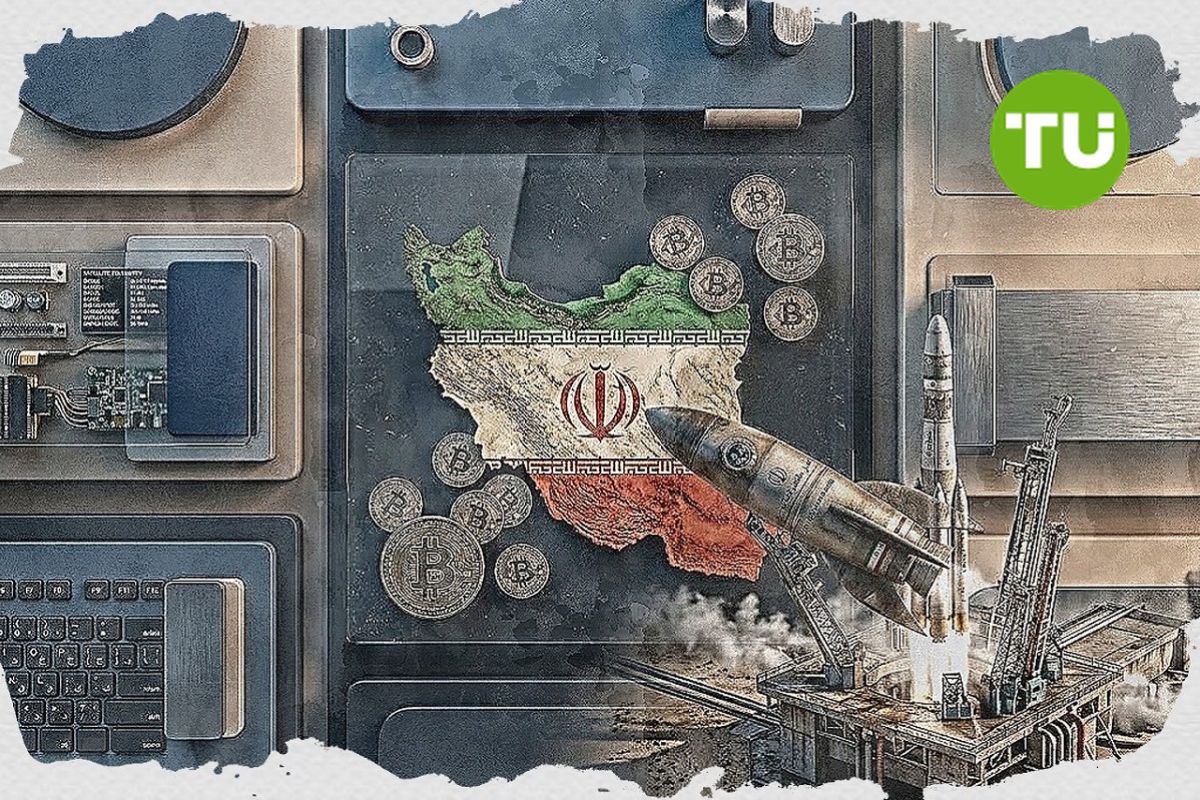
Cryptocurrency outflows from Iran’s largest exchange, Nobitex, surged by 700% within minutes of the first U.S. and Israeli airstrikes on Tehran, likely signaling rapid capital flight to foreign exchanges beyond domestic banking controls.
Highlights
- Nobitex crypto outflows jump 700% after airstrikes.
- Iran’s crypto sector acts as sanctions workaround.
- Citizens use digital assets to hedge inflation risks.
Airstrikes trigger immediate capital movement
On Monday, blockchain analytics firm Elliptic reported that fund flows from Iran’s крупнейшая crypto exchange spiked immediately after the airstrikes, indicating a possible rush to move capital abroad. Within just minutes, outflows jumped 700%.
Preliminary blockchain tracking suggests that crypto assets were transferred to foreign exchanges that have historically received significant inflows from Iran. Elliptic has previously recorded similar spikes following U.S. sanctions announcements and during January unrest, which was followed by internet shutdowns.
Nobitex allows users to convert Iranian rials into cryptocurrency and withdraw funds to external wallets, effectively bypassing traditional banking channels. According to Elliptic co-founder and chief scientist Dr. Tom Robinson, Nobitex processed $7.2 billion in crypto transactions in 2025 and has more than 11 million users, making it a central pillar of Iran’s digital asset ecosystem.
Elliptic previously linked the exchange to financial activity associated with Iran’s Islamic Revolutionary Guard Corps and reported in January that Iran’s central bank appeared to use Nobitex to support the weakening rial. Blockchain research estimates that Iran-linked crypto activity amounts to billions of dollars annually, spanning both retail users and, according to officials, sanctioned entities.
Crypto’s dual role in Iran’s economy
Iran’s crypto industry serves a dual function. At the state level, digital assets have historically been used as a tool to mitigate sanctions pressure — including through Bitcoin mining and cross-border settlement mechanisms. With limited access to the global financial system, cryptocurrencies provide an alternative channel for international transactions and partial insulation from financial restrictions.
In 2019, Iranian authorities officially recognized cryptocurrency mining as an industrial activity, issued licenses to mining farms, and introduced special electricity tariffs, aiming to use Bitcoin mining as a source of foreign currency revenue amid sanctions.
Low electricity costs, partially subsidized thanks to the country’s vast natural gas reserves, made Iran attractive to miners, and at certain periods the country accounted for several percent of the global Bitcoin hash rate.
However, the industry’s development has been accompanied by contradictions. During periods of peak electricity demand, authorities repeatedly imposed temporary bans, while an illegal mining sector also emerged, further increasing pressure on the national power grid.
For ordinary citizens, however, crypto plays a different role: a hedge against persistent currency depreciation and high inflation. With the rial facing chronic devaluation and periodic banking and internet disruptions, digital assets offer capital mobility and access to offshore liquidity. The sharp spike in outflows following the airstrikes underscores that, in Iran, cryptocurrency is increasingly viewed not as a speculative asset, but as an emergency financial safeguard during geopolitical shocks.
As we wrote, Million-dollar Iran bets draw insider trading scrutiny







-
 Afghanistan
-
 Albania
-
 Algeria
-
 Angola
-
 Argentina
-
 Armenia
-
 Australia
-
 Austria
-
 Azerbaijan
-
 Bahamas
-
 Bahrain
-
 Bangladesh
-
 Belarus
-
 Belgium
-
 Bolivia
-
 Botswana
-
 Brazil
-
 Brunei
-
 Bulgaria
-
 Cambodia
-
 Cameroon
-
 Canada
-
 Chile
Chile
-
 China
China
-
 Colombia
-
 Congo
Congo
-
 Costa Rica
-
 Cote d'Ivoire
-
 Croatia
-
 Cuba
Cuba
-
 Cyprus
-
 Czechia
-
 DR Congo
-
 Denmark
-
 Dominican Republic
-
 Ecuador
-
 Egypt
Egypt
-
 El Salvador
-
 Estonia
-
 Eswatini
-
 Ethiopia
-
 Finland
-
 France
-
 Georgia
-
 Germany
-
 Ghana
Ghana
-
 Greece
-
 Haiti
Haiti
-
 Hong Kong
-
 Hungary
-
 India
India
-
 Indonesia
-
 Iran, Islamic republic
-
 Iraq
Iraq
-
 Ireland
-
 Israel
-
 Italy
Italy
-
 Jamaica
-
 Japan
Japan
-
 Jordan
-
 Kazakhstan
-
 Kenya
Kenya
-
 Korea
Korea
-
 Kuwait
-
 Kyrgyzstan
-
 Laos
Laos
-
 Latvia
-
 Lebanon
-
 Lesotho
-
 Libya
Libya
-
 Lithuania
-
 Luxembourg
-
 Madagascar
-
 Malaysia
-
 Malta
Malta
-
 Mauritius
-
 Mexico
-
 Moldova
-
 Mongolia
-
 Montenegro
-
 Morocco
-
 Mozambique
-
 Myanmar
-
 Namibia
-
 Nepal
Nepal
-
 Netherlands
-
 New Zealand
-
 Nigeria
-
 North Macedonia
-
 Norway
-
 Oman
Oman
-
 Pakistan
-
 Palestine
-
 Panama
-
 Papua New Guinea
-
 Paraguay
-
 Peru
Peru
-
 Philippines
-
 Poland
-
 Portugal
-
 Puerto Rico
-
 Qatar
Qatar
-
 Reunion
-
 Romania
-
 Rwanda
-
 Saudi Arabia
-
 Serbia
-
 Singapore
-
 Slovakia
-
 Slovenia
-
 Somalia
-
 South Africa
-
 Spain
Spain
-
 Sri Lanka
-
 Sweden
-
 Switzerland
-
 Syria
Syria
-
 Taiwan
-
 Tajikistan
-
 Tanzania
-
 Thailand
-
 Trinidad and Tobago
-
 Tunisia
-
 Turkey
-
 UAE
UAE
-
 Uganda
-
 Ukraine
-
 United Kingdom
-
United States
-
 Uruguay
-
 Uzbekistan
-
 Venezuela
-
 Vietnam
-
 Yemen
Yemen
-
 Zambia
-
 Zimbabwe
- Forex
- Crypto











