
Ripple expands XRP role, targets lending and institutional DeFi
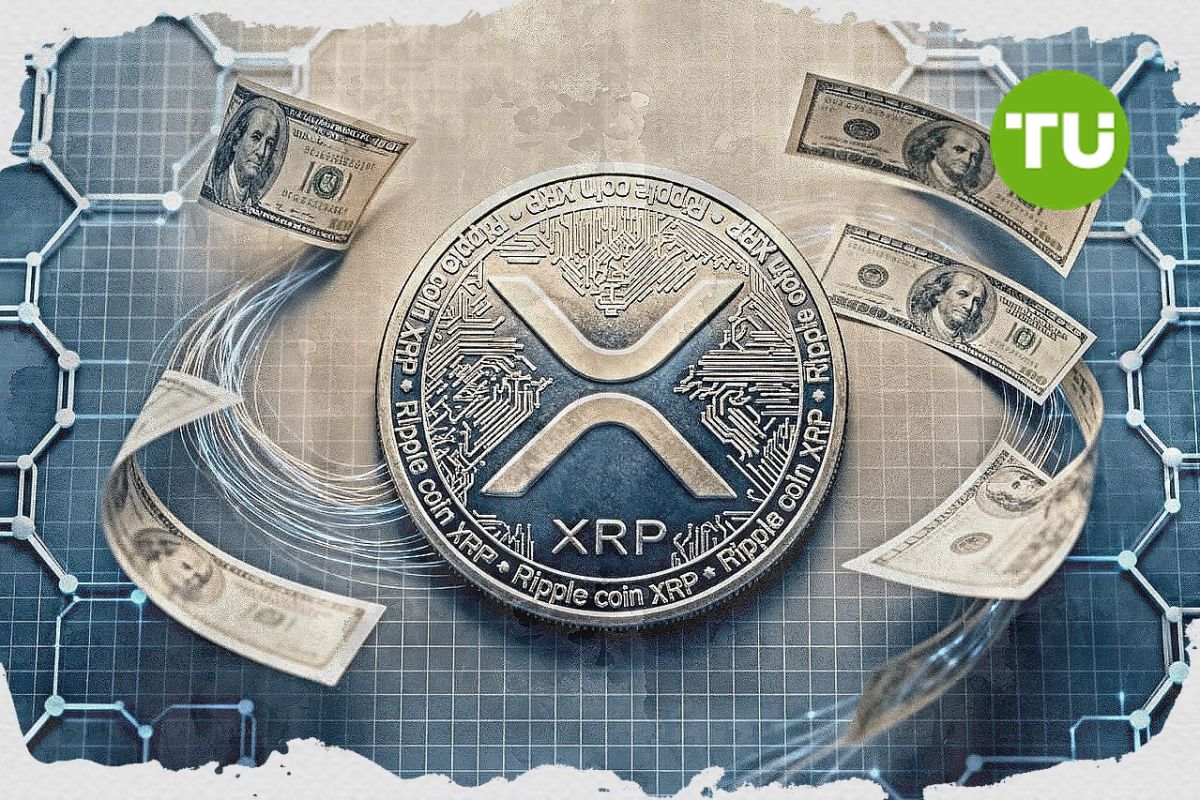
Ripple is gradually rethinking the role of the XRP Ledger. While the network has long been associated primarily with cross-border payments, the company is now working to build a broader financial infrastructure around it.
The new strategy focuses on lending, stablecoins and tokenized assets. The company believes this approach could expand the use of XRP and move it beyond its traditional role as a payment tool, CoinPedia reports.
XRP moves beyond payments
Ripple representative Ross Edwards outlined the company’s plans during an industry event. According to him, Ripple aims to bring more financial activity directly into the XRP Ledger ecosystem. Previously, liquidity for XRP was largely driven by centralized cryptocurrency exchanges.
One of the key initiatives is a native lending protocol launching on XRPL. The protocol will allow XRP to be used as collateral and as a source of liquidity for borrowing. Similar mechanisms have long existed within Ethereum’s DeFi ecosystem, but Ripple intends to adapt the model for its own network.
“We see XRP as a huge source of capital to be lending and borrowing and using as collateral positions on chains,” Edwards said.
He added that growing activity within XRPL could increase both the use of the token and demand for it across the network.
Stablecoins as the core of a new infrastructure
Ripple is also placing significant emphasis on stablecoins. Edwards noted that they provide a link between tokenized assets and real monetary value, enabling financial markets to function efficiently on blockchain networks.
“The conversation has shifted,” Edwards said. “Two years ago, Ripple was convincing institutions to tokenize assets at all. Now it is negotiating the mechanics of how those assets generate yield, settle instantly, and operate around the clock.”
A key component of this strategy is RLUSD, Ripple’s own stablecoin. The company expects it to play a central role in tokenized asset markets, including lending, swaps and transactions involving real-world financial instruments.
Why Ripple is turning to DeFi
Ripple’s interest in lending and stablecoins reflects a broader trend in the market. Institutional players are increasingly exploring asset tokenization and blockchain-based settlement systems.
According to Boston Consulting Group, the market for tokenized real-world assets could exceed $16 trillion by 2030. Major financial institutions are already experimenting with such models. For instance, JPMorgan uses its own blockchain infrastructure for institutional settlement, while BlackRock and Franklin Templeton are testing tokenized money market funds.
Against this backdrop, Ripple is seeking to expand the role of the XRP Ledger in the global financial system. If the strategy succeeds, XRP could serve not only as a tool for international payments but also as infrastructure for lending, tokenized assets and round-the-clock digital financial markets.
Read also: Ripple expands its custody services with security system and staking integration


Latest XRP News






-
 Afghanistan
-
 Albania
-
 Algeria
-
 Angola
-
 Argentina
-
 Armenia
-
 Australia
-
 Austria
-
 Azerbaijan
-
 Bahamas
-
 Bahrain
-
 Bangladesh
-
 Belarus
-
 Belgium
-
 Bolivia
-
 Botswana
-
 Brazil
-
 Brunei
-
 Bulgaria
-
 Cambodia
-
 Cameroon
-
 Canada
-
 Chile
Chile
-
 China
China
-
 Colombia
-
 Congo
Congo
-
 Costa Rica
-
 Cote d'Ivoire
-
 Croatia
-
 Cuba
Cuba
-
 Cyprus
-
 Czechia
-
 DR Congo
-
 Denmark
-
 Dominican Republic
-
 Ecuador
-
 Egypt
Egypt
-
 El Salvador
-
 Estonia
-
 Eswatini
-
 Ethiopia
-
 Finland
-
 France
-
 Georgia
-
 Germany
-
 Ghana
Ghana
-
 Greece
-
 Haiti
Haiti
-
 Hong Kong
-
 Hungary
-
 India
India
-
 Indonesia
-
 Iran, Islamic republic
-
 Iraq
Iraq
-
 Ireland
-
 Israel
-
 Italy
Italy
-
 Jamaica
-
 Japan
Japan
-
 Jordan
-
 Kazakhstan
-
 Kenya
Kenya
-
 Korea
Korea
-
 Kuwait
-
 Kyrgyzstan
-
 Laos
Laos
-
 Latvia
-
 Lebanon
-
 Lesotho
-
 Libya
Libya
-
 Lithuania
-
 Luxembourg
-
 Madagascar
-
 Malaysia
-
 Malta
Malta
-
 Mauritius
-
 Mexico
-
 Moldova
-
 Mongolia
-
 Montenegro
-
 Morocco
-
 Mozambique
-
 Myanmar
-
 Namibia
-
 Nepal
Nepal
-
 Netherlands
-
 New Zealand
-
 Nigeria
-
 North Macedonia
-
 Norway
-
 Oman
Oman
-
 Pakistan
-
 Palestine
-
 Panama
-
 Papua New Guinea
-
 Paraguay
-
 Peru
Peru
-
 Philippines
-
 Poland
-
 Portugal
-
 Puerto Rico
-
 Qatar
Qatar
-
 Reunion
-
 Romania
-
 Rwanda
-
 Saudi Arabia
-
 Serbia
-
 Singapore
-
 Slovakia
-
 Slovenia
-
 Somalia
-
 South Africa
-
 Spain
Spain
-
 Sri Lanka
-
 Sweden
-
 Switzerland
-
 Syria
Syria
-
 Taiwan
-
 Tajikistan
-
 Tanzania
-
 Thailand
-
 Trinidad and Tobago
-
 Tunisia
-
 Turkey
-
 UAE
UAE
-
 Uganda
-
 Ukraine
-
 United Kingdom
-
United States
-
 Uruguay
-
 Uzbekistan
-
 Venezuela
-
 Vietnam
-
 Yemen
Yemen
-
 Zambia
-
 Zimbabwe
- Forex
- Crypto












