The tweet was deleted by the author.
But we saved everything 🙂.

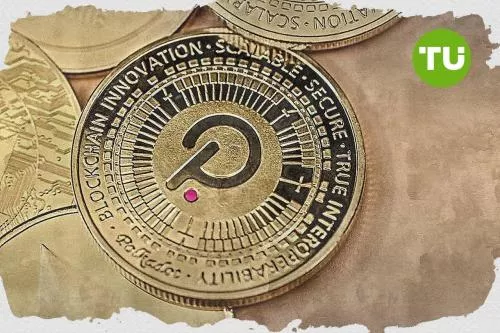
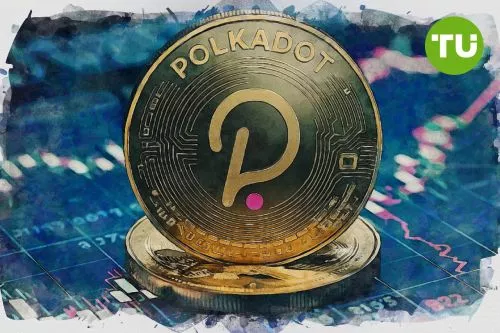
Changes to the economic issuance structure of the DOT token have come into effect on the Polkadot network. The update took effect on March 14 and affects key parameters of token issuance.
DOT now has a fixed upper supply limit, while the rate at which new tokens enter circulation has been reduced. The proposal was introduced by members of the ecosystem and later approved through the OpenGov governance system.
The Polkadot team announced the launch of the update on X. Under the new rules, the maximum supply of DOT is capped at 2.1 billion tokens, with about 80% of that amount already in circulation.
At the same time, a one-time adjustment to the issuance rate was implemented. The pace of new token issuance has been reduced by roughly 53%. This move is part of a broader revision of the project’s tokenomics that has been discussed within the community in recent months.
The initiative passed through the OpenGov governance mechanism, where token holders can propose and vote on protocol changes. According to the developers, the goal of the update is to preserve incentives for network participants while limiting long-term token issuance.
The project says a clearer issuance framework should make the DOT economy more understandable for users, validators, and investors.
The decision highlights how Polkadot’s decentralized governance model operates. The OpenGov system allows network participants to take part directly in shaping protocol parameters, from technical upgrades to economic rules.
Through this mechanism, the proposal to cap DOT supply and adjust issuance rates was submitted and later approved by token holders.
For Polkadot, such decisions are strategically important. The ecosystem is built around decentralized governance, where key network parameters are determined by the community rather than solely by developers.
Changes in token issuance policies are often viewed by the market as a factor supporting the long-term sustainability of blockchain projects. Limiting supply and slowing issuance can help reduce inflationary pressure.
For Polkadot, this move also comes amid competition with other layer-one networks such as Ethereum, Solana, and Avalanche, which continue expanding their ecosystems of applications and infrastructure.
A more predictable issuance framework may strengthen confidence in the network’s economic model among investors and validators. At the same time, reward mechanisms remain a core element of blockchain operations, as they incentivize users to help secure the network.
However, the tokenomics update did not trigger a price increase. On March 14, DOT fell by more than 7%, and at the time of publication the token was trading around $1.42, showing an additional 1.5% decline over the past hours.

 Afghanistan
 Albania
 Algeria
 Angola
 Argentina
 Armenia
 Australia
 Austria
 Azerbaijan
 Bahamas
 Bahrain
 Bangladesh
 Belarus
 Belgium
 Bolivia
 Botswana
 Brazil
 Brunei
 Bulgaria
 Cambodia
 Cameroon
 Canada
 Chile
Chile
 China
China
 Colombia
 Congo
Congo
 Costa Rica
 Cote d'Ivoire
 Croatia
 Cuba
Cuba
 Cyprus
 Czechia
 DR Congo
 Denmark
 Dominican Republic
 Ecuador
 Egypt
Egypt
 El Salvador
 Estonia
 Eswatini
 Ethiopia
 Finland
 France
 Georgia
 Germany
 Ghana
Ghana
 Greece
 Haiti
Haiti
 Hong Kong
 Hungary
 India
India
 Indonesia
 Iran, Islamic republic
 Iraq
Iraq
 Ireland
 Israel
 Italy
Italy
 Jamaica
 Japan
Japan
 Jordan
 Kazakhstan
 Kenya
Kenya
 Korea
Korea
 Kuwait
 Kyrgyzstan
 Laos
Laos
 Latvia
 Lebanon
 Lesotho
 Libya
Libya
 Lithuania
 Luxembourg
 Madagascar
 Malaysia
 Malta
Malta
 Mauritius
 Mexico
 Moldova
 Mongolia
 Montenegro
 Morocco
 Mozambique
 Myanmar
 Namibia
 Nepal
Nepal
 Netherlands
 New Zealand
 Nigeria
 North Macedonia
 Norway
 Oman
Oman
 Pakistan
 Palestine
 Panama
 Papua New Guinea
 Paraguay
 Peru
Peru
 Philippines
 Poland
 Portugal
 Puerto Rico
 Qatar
Qatar
 Reunion
 Romania
 Rwanda
 Saudi Arabia
 Serbia
 Singapore
 Slovakia
 Slovenia
 Somalia
 South Africa
 Spain
Spain
 Sri Lanka
 Sweden
 Switzerland
 Syria
Syria
 Taiwan
 Tajikistan
 Tanzania
 Thailand
 Trinidad and Tobago
 Tunisia
 Turkey
 UAE
UAE
 Uganda
 Ukraine
 United Kingdom
United States
United Kingdom
United States
 Uruguay
 Uzbekistan
 Venezuela
 Vietnam
 Yemen
Yemen
 Zambia
 Zimbabwe