
Iran plans to introduce Bitcoin payments for tankers in Strait of Hormuz
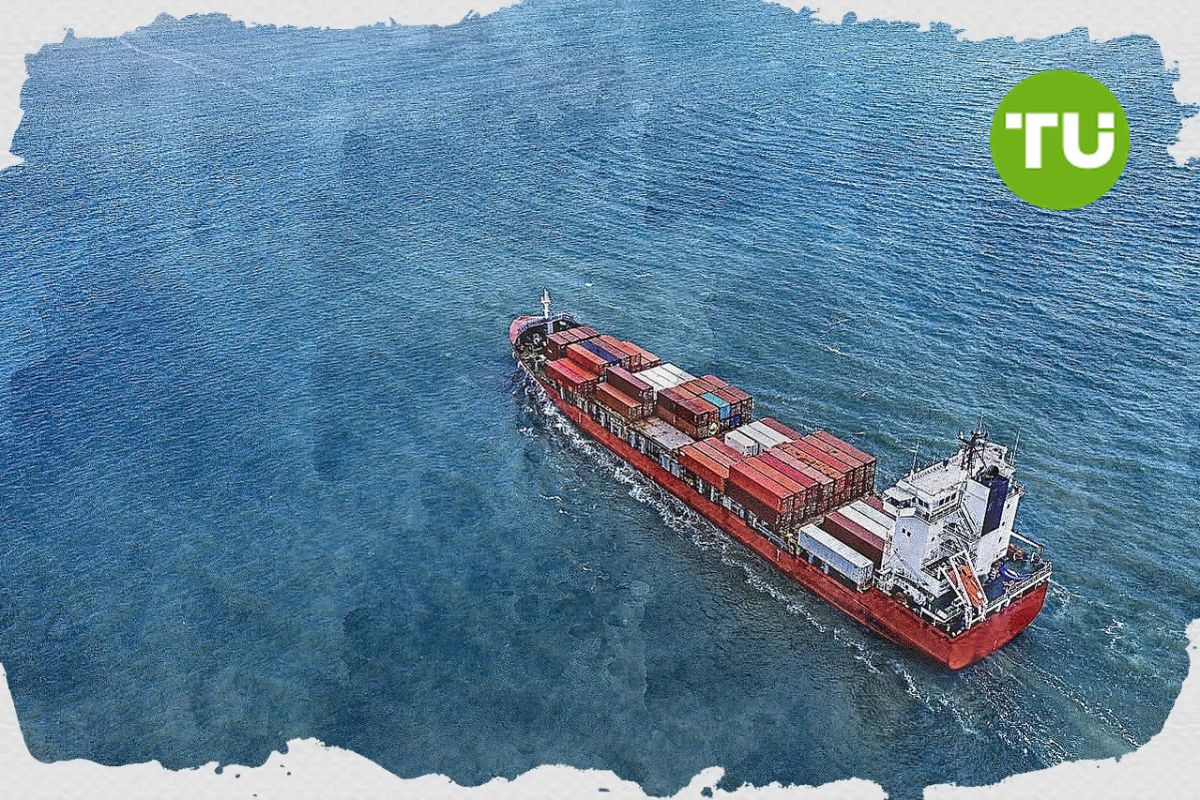
Iran intends to introduce new rules for oil tankers passing through the Strait of Hormuz during a two-week ceasefire. Authorities want to charge vessels a fee in cryptocurrency while also inspecting every tanker using this strategically important route.
According to Hamid Hosseini, a spokesperson for Iran’s Oil, Gas and Petrochemical Products Exporters’ Union, Tehran plans to inspect all vessels passing through the strait. Authorities say this is to ensure the ceasefire is not used for transferring weapons. At the same time, Iran is not expected to speed up inspections, meaning each vessel may face delays, Financial Times reports.
Under the proposed system, tankers must заранее notify Iranian authorities by email with details of their cargo. They will then receive the toll amount to be paid in digital currency. The tariff is expected to be $1 per barrel of oil. Empty tankers will be allowed to pass for free. Hosseini also said that Bitcoin payments would enable fast transactions and reduce the risk of tracking or confiscation due to sanctions.
Threats and concerns
Amid these developments, tankers in the Persian Gulf have received radio warnings: vessels attempting to pass without approval from Iranian authorities could become targets of military strikes. The issue has become one of the most complex in negotiations over extending the ceasefire, as Iran’s desire to retain leverage over the Strait of Hormuz clashes with strong opposition from the US and its regional allies.
Shipping companies are taking a cautious approach. Major players, including Maersk, say they are urgently trying to clarify the terms for a possible resumption of transit, but there is still no full clarity on route safety. Market participants estimate that hundreds of vessels are currently waiting in the Persian Gulf, and clearing this backlog will take time: while about 135 ships per day passed through the strait before, the number may now drop to just 10–15 daily.
How the conflict led to the risk of blocking the strait
The Strait of Hormuz is one of the most critical routes for global oil trade, handling up to 20% of worldwide supply. Any disruption immediately affects the market. Iran’s long-standing tensions with the US and its allies have repeatedly led to threats of blocking the strait as a tool of geopolitical pressure.
Recently, the situation has escalated amid military actions and strikes on infrastructure. In response, Iran has tightened control over vessel transit through the strait, and some tankers have already faced direct threats and attacks while attempting to pass.
It is worth noting that oil prices fell below $100 per barrel after US President Donald Trump decided to pause attacks on Iran.







-
 Afghanistan
-
 Albania
-
 Algeria
-
 Angola
-
 Argentina
-
 Armenia
-
 Australia
-
 Austria
-
 Azerbaijan
-
 Bahamas
-
 Bahrain
-
 Bangladesh
-
 Belarus
-
 Belgium
-
 Bolivia
-
 Botswana
-
 Brazil
-
 Brunei
-
 Bulgaria
-
 Cambodia
-
 Cameroon
-
 Canada
-
 Chile
Chile
-
 China
China
-
 Colombia
-
 Congo
Congo
-
 Costa Rica
-
 Cote d'Ivoire
-
 Croatia
-
 Cuba
Cuba
-
 Cyprus
-
 Czechia
-
 DR Congo
-
 Denmark
-
 Dominican Republic
-
 Ecuador
-
 Egypt
Egypt
-
 El Salvador
-
 Estonia
-
 Eswatini
-
 Ethiopia
-
 Finland
-
 France
-
 Georgia
-
 Germany
-
 Ghana
Ghana
-
 Greece
-
 Haiti
Haiti
-
 Hong Kong
-
 Hungary
-
 India
India
-
 Indonesia
-
 Iran, Islamic republic
-
 Iraq
Iraq
-
 Ireland
-
 Israel
-
 Italy
Italy
-
 Jamaica
-
 Japan
Japan
-
 Jordan
-
 Kazakhstan
-
 Kenya
Kenya
-
 Korea
Korea
-
 Kuwait
-
 Kyrgyzstan
-
 Laos
Laos
-
 Latvia
-
 Lebanon
-
 Lesotho
-
 Libya
Libya
-
 Lithuania
-
 Luxembourg
-
 Madagascar
-
 Malaysia
-
 Malta
Malta
-
 Mauritius
-
 Mexico
-
 Moldova
-
 Mongolia
-
 Montenegro
-
 Morocco
-
 Mozambique
-
 Myanmar
-
 Namibia
-
 Nepal
Nepal
-
 Netherlands
-
 New Zealand
-
 Nigeria
-
 North Macedonia
-
 Norway
-
 Oman
Oman
-
 Pakistan
-
 Palestine
-
 Panama
-
 Papua New Guinea
-
 Paraguay
-
 Peru
Peru
-
 Philippines
-
 Poland
-
 Portugal
-
 Puerto Rico
-
 Qatar
Qatar
-
 Reunion
-
 Romania
-
 Rwanda
-
 Saudi Arabia
-
 Serbia
-
 Singapore
-
 Slovakia
-
 Slovenia
-
 Somalia
-
 South Africa
-
 Spain
Spain
-
 Sri Lanka
-
 Sweden
-
 Switzerland
-
 Syria
Syria
-
 Taiwan
-
 Tajikistan
-
 Tanzania
-
 Thailand
-
 Trinidad and Tobago
-
 Tunisia
-
 Turkey
-
 UAE
UAE
-
 Uganda
-
 Ukraine
-
 United Kingdom
-
United States
-
 Uruguay
-
 Uzbekistan
-
 Venezuela
-
 Vietnam
-
 Yemen
Yemen
-
 Zambia
-
 Zimbabwe
- Forex
- Crypto











