
Bitcoin developer proposes fork to reassign Satoshi coins
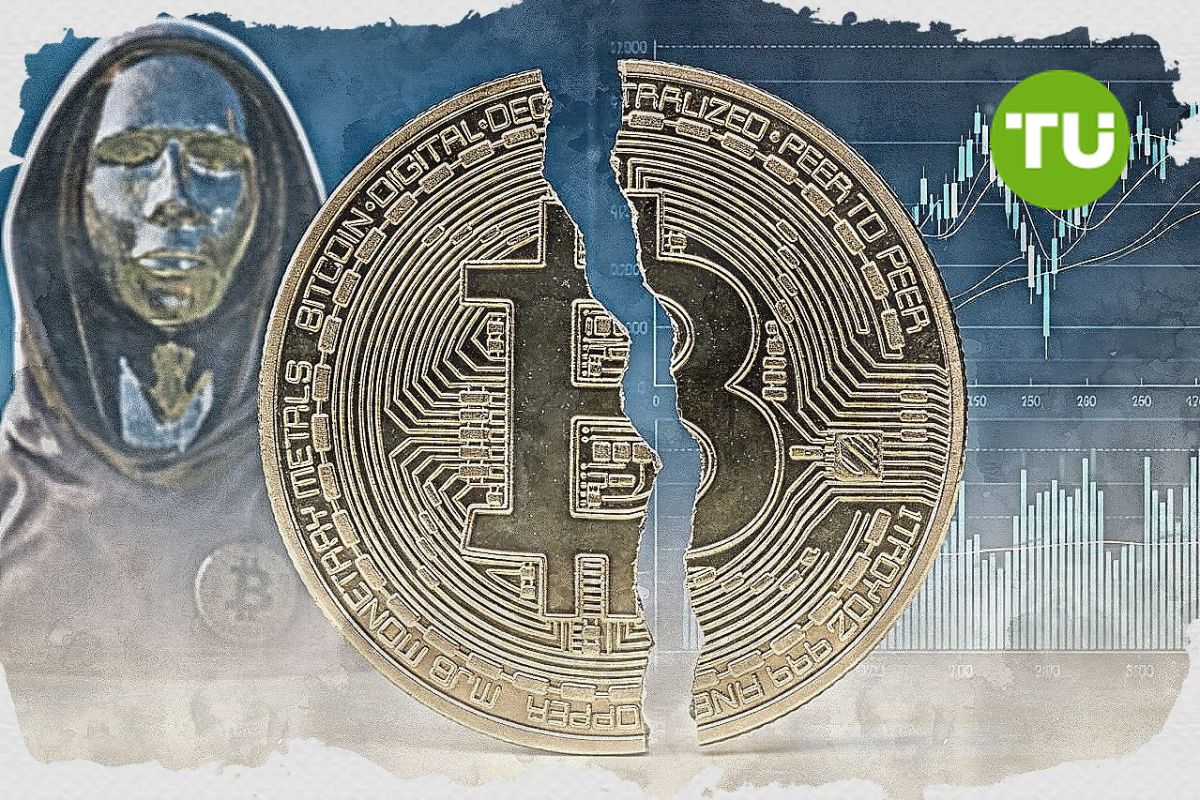
A veteran Bitcoin developer has proposed a radical hard fork that would create a new version of the blockchain and redistribute coins belonging to the network’s mysterious creator, Satoshi Nakamoto. The plan has sparked strong backlash from the Bitcoin community, with many calling it outright theft.
Highlights
- Veteran developer Paul Storz proposed a hard fork called eCash with free token distribution to Bitcoin holders.
- The plan includes reallocating Satoshi Nakamoto’s coins to fund development.
- The Bitcoin community has largely condemned the proposal as theft.
A new fork instead of consensus
Sztorc, known for the Drivechain concept and the BIP-300 and BIP-301 proposals, plans to launch eCash in August 2026, CoinDesk reported.
According to the proposal, the new network would be a Bitcoin hard fork, meaning BTC holders would be able to receive an equivalent amount of eCash tokens on a 1:1 basis after the chain launches.
Technically, eCash is expected to become a separate Layer 1 blockchain that largely copies the Bitcoin Core client. The network would keep the SHA-256 algorithm but launch with lower mining difficulty to attract early participants. The project also includes seven Layer 2 networks based on drivechains, designed to add higher throughput and optional privacy.
Sztorc has promoted drivechains since 2015, but his proposals have not received broad support from the Bitcoin community. The new fork is effectively an attempt to move those ideas into a separate network without changing Bitcoin’s main protocol.
Controversial proposal
Paul Storz has long sought to change the network’s architecture but failed to gain support. His latest initiative, dubbed eCash, involves forking the Bitcoin codebase in August to launch a separate chain. Existing Bitcoin holders would receive an equivalent amount of the new token for free.
The most contentious element is the proposed reallocation of Satoshi Nakamoto’s coins—over 1 million BTC that have remained untouched for years. Storz suggests using these funds to finance the development of the new network.
Dispute over Satoshi coins
The main criticism is not about the fork itself, but about its funding model. Sztorc has proposed manually reallocating some coins from the so-called Patoshi pattern, which is usually associated with Satoshi Nakamoto’s early mining. The discussion concerns part of roughly 1.1 million BTC attributed to Bitcoin’s creator, with some reports saying the reallocation could affect less than half of those coins in the new chain.
The idea triggered a sharp reaction in the Bitcoin community. Bitcoin advocate Peter McCormack called the seizure of Satoshi’s coins theft and disrespectful, also criticizing the choice of the name eCash because the term is already used in other payment-related projects.
Sztorc argues that the mechanism is needed to give the project funding and avoid creating an inactive fork with no developers or users. According to him, eCash differs from Bitcoin Cash, which appeared in 2017 after debates over block size, partly because it does not use the word Bitcoin in its name.
Community reaction and historical context
The Bitcoin community has reacted sharply, describing the idea as an attempt to steal Satoshi’s coins. Critics argue that any redistribution of long-dormant coins undermines the core principles of immutability and decentralization that define Bitcoin.
This is not the first time Bitcoin has faced a hard fork. In 2017, disagreements over block size led to the creation of Bitcoin Cash. However, that split was primarily technical, whereas the current proposal touches on the highly sensitive issue of ownership and control over Satoshi’s holdings.
Implications for Bitcoin’s future
The controversy highlights deep divisions within the Bitcoin community regarding governance and the future direction of the network.
While the likelihood of this specific hard fork gaining traction remains very low, the episode underscores how sensitive the topic of Satoshi’s coins and the immutability of the ledger continues to be.
In an earlier report, we noted that BTC pulls back from 12-week high near $79,400.






-
 Afghanistan
-
 Albania
-
 Algeria
-
 Angola
-
 Argentina
-
 Armenia
-
 Australia
-
 Austria
-
 Azerbaijan
-
 Bahamas
-
 Bahrain
-
 Bangladesh
-
 Belarus
-
 Belgium
-
 Bolivia
-
 Botswana
-
 Brazil
-
 Brunei
-
 Bulgaria
-
 Cambodia
-
 Cameroon
-
 Canada
-
 Chile
Chile
-
 China
China
-
 Colombia
-
 Congo
Congo
-
 Costa Rica
-
 Cote d'Ivoire
-
 Croatia
-
 Cuba
Cuba
-
 Cyprus
-
 Czechia
-
 DR Congo
-
 Denmark
-
 Dominican Republic
-
 Ecuador
-
 Egypt
Egypt
-
 El Salvador
-
 Estonia
-
 Eswatini
-
 Ethiopia
-
 Finland
-
 France
-
 Georgia
-
 Germany
-
 Ghana
Ghana
-
 Greece
-
 Haiti
Haiti
-
 Hong Kong
-
 Hungary
-
 India
India
-
 Indonesia
-
 Iran, Islamic republic
-
 Iraq
Iraq
-
 Ireland
-
 Israel
-
 Italy
Italy
-
 Jamaica
-
 Japan
Japan
-
 Jordan
-
 Kazakhstan
-
 Kenya
Kenya
-
 Korea
Korea
-
 Kuwait
-
 Kyrgyzstan
-
 Laos
Laos
-
 Latvia
-
 Lebanon
-
 Lesotho
-
 Libya
Libya
-
 Lithuania
-
 Luxembourg
-
 Madagascar
-
 Malaysia
-
 Malta
Malta
-
 Mauritius
-
 Mexico
-
 Moldova
-
 Mongolia
-
 Montenegro
-
 Morocco
-
 Mozambique
-
 Myanmar
-
 Namibia
-
 Nepal
Nepal
-
 Netherlands
-
 New Zealand
-
 Nigeria
-
 North Macedonia
-
 Norway
-
 Oman
Oman
-
 Pakistan
-
 Palestine
-
 Panama
-
 Papua New Guinea
-
 Paraguay
-
 Peru
Peru
-
 Philippines
-
 Poland
-
 Portugal
-
 Puerto Rico
-
 Qatar
Qatar
-
 Reunion
-
 Romania
-
 Rwanda
-
 Saudi Arabia
-
 Serbia
-
 Singapore
-
 Slovakia
-
 Slovenia
-
 Somalia
-
 South Africa
-
 Spain
Spain
-
 Sri Lanka
-
 Sweden
-
 Switzerland
-
 Syria
Syria
-
 Taiwan
-
 Tajikistan
-
 Tanzania
-
 Thailand
-
 Trinidad and Tobago
-
 Tunisia
-
 Turkey
-
 UAE
UAE
-
 Uganda
-
 Ukraine
-
 United Kingdom
-
United States
-
 Uruguay
-
 Uzbekistan
-
 Venezuela
-
 Vietnam
-
 Yemen
Yemen
-
 Zambia
-
 Zimbabwe
- Forex
- Crypto












