Suspects detained in South Korea in case involving Solana memecoin CatFi

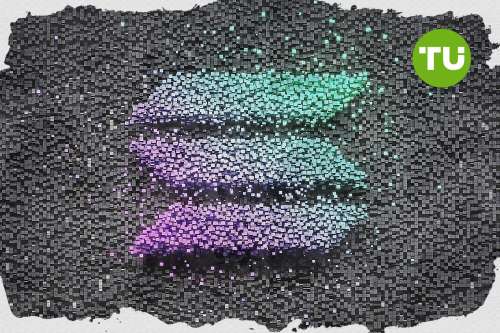
South Korean prosecutors have arrested two main suspects in a case involving the Solana-based memecoin CatFi. The office also charged three other individuals who remain at large.
According to the agency’s official website, the suspects launched CatFi in early 2025 through Pump.fun, a platform for creating memecoins on the Solana network. Shortly after investors injected significant funds into the token, the developers effectively abandoned the project. This type of scheme is known in the crypto market as a rug pull.
Prosecutors said this is the first case in which South Korea’s Virtual Asset User Protection Act has been used to punish a rug pull under rules covering fraudulent and unfair trading. It is also the country’s first criminal case involving a crypto crime carried out through a decentralized exchange, which had long remained in a regulatory “blind spot.”
How the fraudulent scheme worked
After launching CatFi, the suspects allegedly attracted investors through fake social media accounts. One of the main figures posed as an independent crypto influencer and urged users to buy the token. Another suspect managed the project’s official channel, artificially inflated follower numbers and published false statements about token lock-up plans to create an appearance of trust and activity around the project.
Investigators also believe the group used multiple wallets to distribute tokens and conducted wash trades to hide its control over a significant share of the supply.
According to prosecutors, CatFi’s price rose 1,001-fold within 26 hours of launch. During that period, around 6,000 investors bought the token. Of them, 256 reported combined losses of 900 million South Korean won, or about $600,000. The suspects, meanwhile, allegedly made more than 400 million won in profit.
On-chain investigators had previously identified the suspects and the wallets linked to them before passing the information to authorities. However, police closed the case without a resolution after the individuals claimed they had allegedly been hacked.
Later, the Financial Services Commission referred the materials to prosecutors. A special unit for investigating virtual asset crimes worked with financial and tax authorities to track down the suspects. One of them had been hiding for about three months and used several disguises.
Two suspects were detained on May 11, and three more on Wednesday.
Prosecutors stressed that they intend to make participants in the crypto market who seek to get rich quickly through illegal methods understand that market manipulation will inevitably lead to serious financial and personal consequences.
A problem beyond one project
The CatFi case fits into the broader context of the Solana memecoin market. According to Solidus Labs, about 98.7% of tokens on Pump.fun and 93% of liquidity pools on Raydium showed signs of pump-and-dump schemes or rug pulls. This does not mean that every such project is automatically proven fraud, but it highlights the scale of the risks: many new tokens quickly lose liquidity, often leaving investors with devalued assets.
Trader statistics also point to an imbalance that works against retail participants. According to Dune Analytics data cited by industry media, most Pump.fun users traded at a loss during certain periods, while large profits went to a small share of wallets. That is why the CatFi case is important not only as a separate rug pull case, but also as a signal for the entire Solana memecoin market: regulators are beginning to treat such schemes not as an “ordinary crypto risk,” but as potential fraud and market manipulation.
As a reminder, the SEC classified SOL as a potential security.








-
 Afghanistan
-
 Albania
-
 Algeria
-
 Angola
-
 Argentina
-
 Armenia
-
 Australia
-
 Austria
-
 Azerbaijan
-
 Bahamas
-
 Bahrain
-
 Bangladesh
-
 Belarus
-
 Belgium
-
 Bolivia
-
 Botswana
-
 Brazil
-
 Brunei
-
 Bulgaria
-
 Cambodia
-
 Cameroon
-
 Canada
-
 Chile
Chile
-
 China
China
-
 Colombia
-
 Congo
Congo
-
 Costa Rica
-
 Cote d'Ivoire
-
 Croatia
-
 Cuba
Cuba
-
 Cyprus
-
 Czechia
-
 DR Congo
-
 Denmark
-
 Dominican Republic
-
 Ecuador
-
 Egypt
Egypt
-
 El Salvador
-
 Estonia
-
 Eswatini
-
 Ethiopia
-
 Finland
-
 France
-
 Georgia
-
 Germany
-
 Ghana
Ghana
-
 Greece
-
 Haiti
Haiti
-
 Hong Kong
-
 Hungary
-
 India
India
-
 Indonesia
-
 Iran, Islamic republic
-
 Iraq
Iraq
-
 Ireland
-
 Israel
-
 Italy
Italy
-
 Jamaica
-
 Japan
Japan
-
 Jordan
-
 Kazakhstan
-
 Kenya
Kenya
-
 Korea
Korea
-
 Kuwait
-
 Kyrgyzstan
-
 Laos
Laos
-
 Latvia
-
 Lebanon
-
 Lesotho
-
 Libya
Libya
-
 Lithuania
-
 Luxembourg
-
 Madagascar
-
 Malaysia
-
 Malta
Malta
-
 Mauritius
-
 Mexico
-
 Moldova
-
 Mongolia
-
 Montenegro
-
 Morocco
-
 Mozambique
-
 Myanmar
-
 Namibia
-
 Nepal
Nepal
-
 Netherlands
-
 New Zealand
-
 Nigeria
-
 North Macedonia
-
 Norway
-
 Oman
Oman
-
 Pakistan
-
 Palestine
-
 Panama
-
 Papua New Guinea
-
 Paraguay
-
 Peru
Peru
-
 Philippines
-
 Poland
-
 Portugal
-
 Puerto Rico
-
 Qatar
Qatar
-
 Reunion
-
 Romania
-
 Rwanda
-
 Saudi Arabia
-
 Serbia
-
 Singapore
-
 Slovakia
-
 Slovenia
-
 Somalia
-
 South Africa
-
 Spain
Spain
-
 Sri Lanka
-
 Sweden
-
 Switzerland
-
 Syria
Syria
-
 Taiwan
-
 Tajikistan
-
 Tanzania
-
 Thailand
-
 Trinidad and Tobago
-
 Tunisia
-
 Turkey
-
 UAE
UAE
-
 Uganda
-
 Ukraine
-
 United Kingdom
-
United States
-
 Uruguay
-
 Uzbekistan
-
 Venezuela
-
 Vietnam
-
 Yemen
Yemen
-
 Zambia
-
 Zimbabwe
- Forex
- Crypto












