
European Parliament panel backs digital euro framework for 2029 rollout
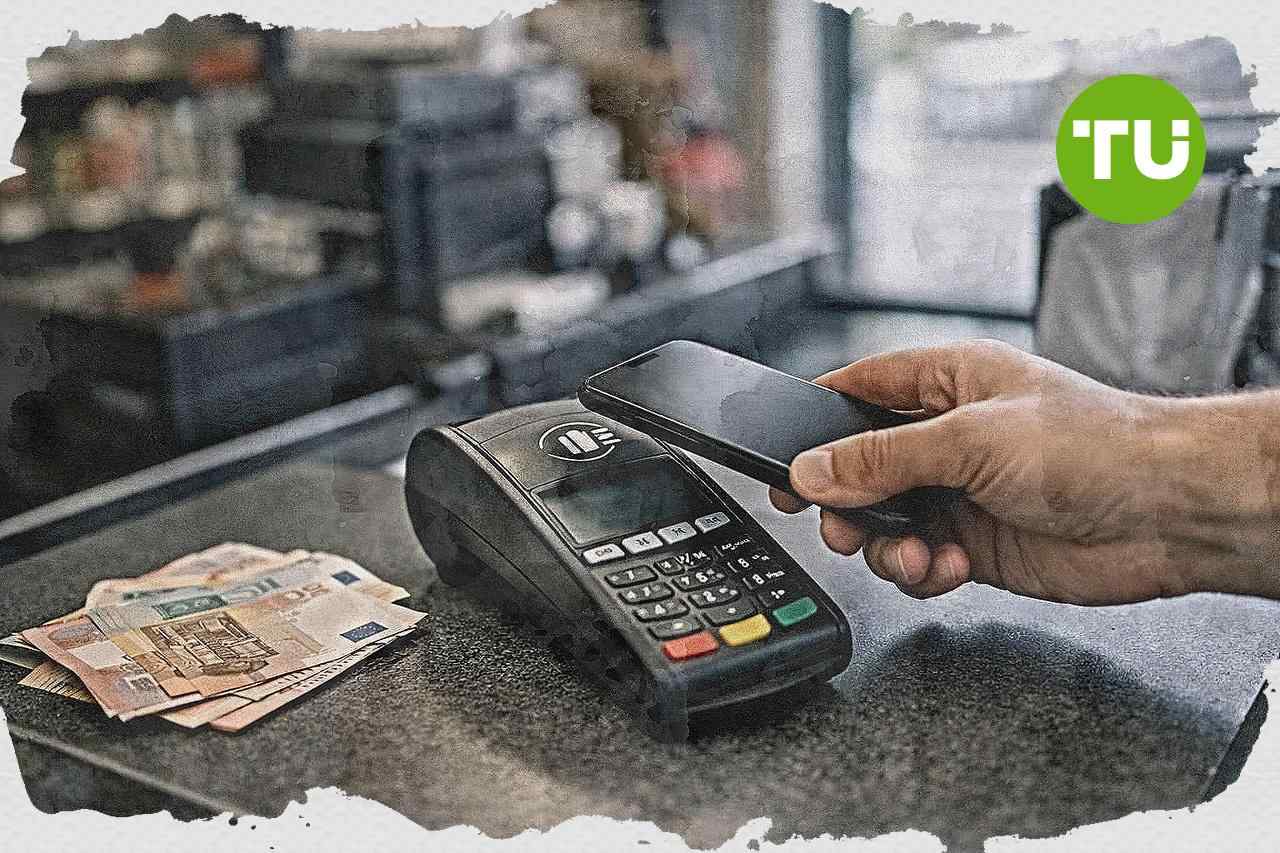
Europe is moving closer to a state-backed digital currency as lawmakers advance rules meant to strengthen the region's control over its payments system. The plan is designed to curb dependence on U.S. card networks and dollar-pegged stablecoins, while preserving cash and adding privacy safeguards for offline use.
Highlights
- The European Parliament’s Economic and Monetary Affairs Committee approved the digital euro legal framework and called for immediate trilogue talks with EU member states.
- The framework allows for both online and offline versions of the digital euro by 2029, with strict wallet holding limits imposed to safeguard bank deposits.
- The ECB will launch a 12-month pilot with selected merchants and payment providers, as the policy seeks to reduce eurozone dependence on Visa and Mastercard for card transactions.
Committee vote sets path to final law
As reported by CoinDesk, the European Parliament’s Economic and Monetary Affairs Committee approves the legal framework for a digital euro on Tuesday and calls for immediate trilogue talks with EU member states to finalize the legislation.The move marks a significant step for the European Central Bank after three years of disputes with commercial lenders, which warn that a digital currency could drain deposits from traditional bank accounts. EU officials and ECB President Christine Lagarde argue the project is needed to protect Europe’s monetary sovereignty and reduce reliance on foreign payment providers and U.S. dollar-linked stablecoins.
Lagarde has also pushed back against concerns over financial surveillance, saying physical cash remains in place alongside any digital euro. Markus Ferber, a senior ECON committee member, says strengthening Europe’s payments resilience has become a geopolitical necessity as the region remains heavily dependent on a small number of foreign providers.
Payments sovereignty and banking safeguards
The approved rules clear the way for both online and offline versions of the digital euro by 2029. The offline version is set to allow direct phone-to-phone payments without an internet connection, with cash-like privacy protections intended to prevent the ECB from seeing what citizens are buying.Commercial banks secure strict holding limits on digital wallets to reduce the risk of a large shift of deposits out of traditional accounts during periods of stress. The ECB is now set to run a 12-month pilot using a beta version of the system with selected merchants and payment service providers to test the infrastructure in real-world conditions.
The policy push also reflects broader concerns inside the eurozone, where nearly two-thirds of card transactions are processed by non-European companies, mainly Visa and Mastercard. Ferber says the euro must work both in people’s pockets and on their phones, underscoring the EU’s effort to build a more autonomous payments market.
In our earlier analysis of EUR/SEK, we noted that the euro was strengthening against the Swedish krona on the back of robust technical momentum and clear buying interest. The pair traded above key moving averages, but several oscillators signaled short-term overextension, suggesting the rally could face consolidation or a pullback if resistance holds.


Latest CBDC News







-
 Afghanistan
-
 Albania
-
 Algeria
-
 Angola
-
 Argentina
-
 Armenia
-
 Australia
-
 Austria
-
 Azerbaijan
-
 Bahamas
-
 Bahrain
-
 Bangladesh
-
 Belarus
-
 Belgium
-
 Bolivia
-
 Botswana
-
 Brazil
-
 Brunei
-
 Bulgaria
-
 Cambodia
-
 Cameroon
-
 Canada
-
 Chile
Chile
-
 China
China
-
 Colombia
-
 Congo
Congo
-
 Costa Rica
-
 Cote d'Ivoire
-
 Croatia
-
 Cuba
Cuba
-
 Cyprus
-
 Czechia
-
 DR Congo
-
 Denmark
-
 Dominican Republic
-
 Ecuador
-
 Egypt
Egypt
-
 El Salvador
-
 Estonia
-
 Eswatini
-
 Ethiopia
-
 Finland
-
 France
-
 Georgia
-
 Germany
-
 Ghana
Ghana
-
 Greece
-
 Haiti
Haiti
-
 Hong Kong
-
 Hungary
-
 India
India
-
 Indonesia
-
 Iran, Islamic republic
-
 Iraq
Iraq
-
 Ireland
-
 Israel
-
 Italy
Italy
-
 Jamaica
-
 Japan
Japan
-
 Jordan
-
 Kazakhstan
-
 Kenya
Kenya
-
 Korea
Korea
-
 Kuwait
-
 Kyrgyzstan
-
 Laos
Laos
-
 Latvia
-
 Lebanon
-
 Lesotho
-
 Libya
Libya
-
 Lithuania
-
 Luxembourg
-
 Madagascar
-
 Malaysia
-
 Malta
Malta
-
 Mauritius
-
 Mexico
-
 Moldova
-
 Mongolia
-
 Montenegro
-
 Morocco
-
 Mozambique
-
 Myanmar
-
 Namibia
-
 Nepal
Nepal
-
 Netherlands
-
 New Zealand
-
 Nigeria
-
 North Macedonia
-
 Norway
-
 Oman
Oman
-
 Pakistan
-
 Palestine
-
 Panama
-
 Papua New Guinea
-
 Paraguay
-
 Peru
Peru
-
 Philippines
-
 Poland
-
 Portugal
-
 Puerto Rico
-
 Qatar
Qatar
-
 Reunion
-
 Romania
-
 Rwanda
-
 Saudi Arabia
-
 Serbia
-
 Singapore
-
 Slovakia
-
 Slovenia
-
 Somalia
-
 South Africa
-
 Spain
Spain
-
 Sri Lanka
-
 Sweden
-
 Switzerland
-
 Syria
Syria
-
 Taiwan
-
 Tajikistan
-
 Tanzania
-
 Thailand
-
 Trinidad and Tobago
-
 Tunisia
-
 Turkey
-
 UAE
UAE
-
 Uganda
-
 Ukraine
-
 United Kingdom
-
United States
-
 Uruguay
-
 Uzbekistan
-
 Venezuela
-
 Vietnam
-
 Yemen
Yemen
-
 Zambia
-
 Zimbabwe
- Forex
- Crypto











