
The tweet was deleted by the author.
But we saved everything 🙂.
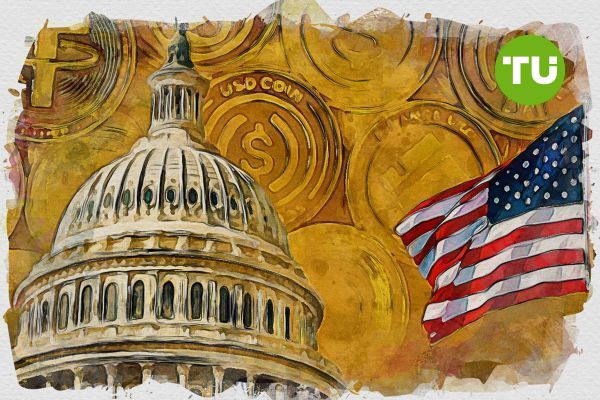
The U.S. Senate has approved the “Guiding and Establishing National Innovation for U.S. Stablecoins” (GENIUS Act), marking the first major cryptocurrency initiative to pass one chamber of Congress.
The bill, which received broad bipartisan support (68 votes in favor, 30 against), now moves to the House of Representatives for further consideration.
Introduced by Senator Bill Hagerty (Republican, Tennessee), the GENIUS Act aims to establish a comprehensive federal framework for the issuance and circulation of stablecoins — digital assets pegged to fiat currencies such as the U.S. dollar. According to the bill, issuers must back tokens 1:1 with cash or short-term U.S. Treasury bonds, undergo annual audits, and comply with strict anti-money laundering and transparency standards.
The Senate’s support marks a turning point in the regulation of digital assets in the U.S. Proponents argue that clear regulatory boundaries will boost investor confidence, expand global use of dollar-backed digital assets, and strengthen U.S. leadership in the fintech space. Senator Hagerty described the bill as a “pro-growth framework” and emphasized its role in ensuring “dollar dominance in the digital economy.”
However, the bill did not pass without controversy. A number of progressive lawmakers, including Senator Elizabeth Warren, opposed provisions that could allow large tech companies to issue their own stablecoins and collect user data. Critics also voiced concerns about potential conflicts of interest due to former President Donald Trump’s family’s involvement in stablecoin ventures. These issues led to amendments addressing ethics and transparency ahead of the final vote.
Treasury Secretary Scott Bessent expressed support for the bill, citing forecasts that the stablecoin market could grow to $3.7 trillion by 2030. He added that increasing demand for stablecoins could help lower government borrowing costs by driving demand for U.S. Treasuries.
Industry leaders welcomed the Senate’s initiative. Amanda Tuminelli, Executive Director of the DeFi Education Fund, called it a “monumental step” toward balanced crypto regulation. Ji Kim of the Crypto Council for Innovation noted that the bill provides much-needed clarity.
The GENIUS Act’s fate now lies with the House of Representatives, where competing proposals — including the broader CLARITY Act — could slow progress. Nevertheless, momentum is building, and the bill may yet become the cornerstone of stablecoin regulation in the U.S.
See also: Thailand offers 5-year crypto tax breaks to boost investment

 Afghanistan
 Albania
 Algeria
 Angola
 Argentina
 Armenia
 Australia
 Austria
 Azerbaijan
 Bahamas
 Bahrain
 Bangladesh
 Belarus
 Belgium
 Bolivia
 Botswana
 Brazil
 Brunei
 Bulgaria
 Cambodia
 Cameroon
 Canada
 Chile
Chile
 China
China
 Colombia
 Congo
Congo
 Costa Rica
 Cote d'Ivoire
 Croatia
 Cuba
Cuba
 Cyprus
 Czechia
 DR Congo
 Denmark
 Dominican Republic
 Ecuador
 Egypt
Egypt
 El Salvador
 Estonia
 Eswatini
 Ethiopia
 Finland
 France
 Georgia
 Germany
 Ghana
Ghana
 Greece
 Haiti
Haiti
 Hong Kong
 Hungary
 India
India
 Indonesia
 Iran, Islamic republic
 Iraq
Iraq
 Ireland
 Israel
 Italy
Italy
 Jamaica
 Japan
Japan
 Jordan
 Kazakhstan
 Kenya
Kenya
 Korea
Korea
 Kuwait
 Kyrgyzstan
 Laos
Laos
 Latvia
 Lebanon
 Lesotho
 Libya
Libya
 Lithuania
 Luxembourg
 Madagascar
 Malaysia
 Malta
Malta
 Mauritius
 Mexico
 Moldova
 Mongolia
 Montenegro
 Morocco
 Mozambique
 Myanmar
 Namibia
 Nepal
Nepal
 Netherlands
 New Zealand
 Nigeria
 North Macedonia
 Norway
 Oman
Oman
 Pakistan
 Palestine
 Panama
 Papua New Guinea
 Paraguay
 Peru
Peru
 Philippines
 Poland
 Portugal
 Puerto Rico
 Qatar
Qatar
 Reunion
 Romania
 Rwanda
 Saudi Arabia
 Serbia
 Singapore
 Slovakia
 Slovenia
 Somalia
 South Africa
 Spain
Spain
 Sri Lanka
 Sweden
 Switzerland
 Syria
Syria
 Taiwan
 Tajikistan
 Tanzania
 Thailand
 Trinidad and Tobago
 Tunisia
 Turkey
 UAE
UAE
 Uganda
 Ukraine
 United Kingdom
United States
United Kingdom
United States
 Uruguay
 Uzbekistan
 Venezuela
 Vietnam
 Yemen
Yemen
 Zambia
 Zimbabwe