The tweet was deleted by the author.
But we saved everything 🙂.

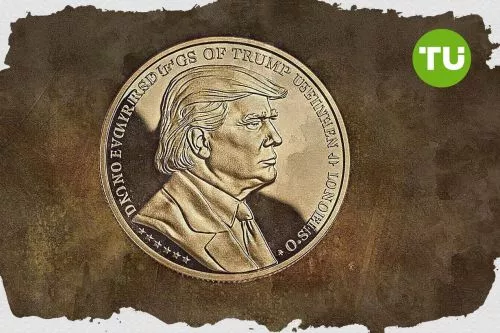
President Donald Trump has signed the GENIUS Act into law, declaring that the move will secure the United States’ “global leadership” in crypto technology.
The GENIUS Act provides the U.S. with its first federal regulatory framework for dollar-backed stablecoins.
“Crypto has risen more than any stock. Crypto makes the dollar stronger. Crypto is good for the dollar and for the country,” Trump said after signing the bill.
He added that the GENIUS Act strengthens the nation’s leadership in the sector and promised to pass a broader crypto market structure bill.
Senator Tim Scott, ranking member of the Senate Banking Committee, called the law “regulatory clarity for the stablecoin industry” and said faster and cheaper payments would “reinforce the U.S. dollar’s dominance globally.”
Treasury Secretary Scott Bessent echoed that sentiment, thanking House Republicans for “actions that fulfill the promise” to make America “the crypto capital of the world.”
“President Trump promised to make America the crypto capital of the world. Today’s passage of the CLARITY Act and the delivery of GENIUS to the president’s desk fulfills that promise,” Bessent wrote on X.
According to CryptoSlate, the GENIUS Act creates a federal regulatory framework for issuing and supervising payment stablecoins.
It assigns the Federal Reserve to license and oversee national, insured depository institutions, while also allowing state-chartered institutions to issue dollar-pegged tokens, provided they meet equivalent standards for reserves, disclosures, redemption procedures, and risk controls.
Issuers are required to fully back each token with high-quality liquid assets—such as cash, Treasury bills, or other short-term government securities—and to regularly publish attestation reports.
The law also mandates that bank regulators set examination schedules, guarantees consumers the right to redeem at face value within specified timeframes, and requires that reserve assets be held separately unless customers give explicit consent for rehypothecation.
The House passed the GENIUS Act by a 307–122 vote on July 17, one day after approving a 215–211 motion to reconsider a procedural package combining the GENIUS Act, CLARITY Act, and Anti-CBDC Surveillance Act.
The three bills were first bundled on July 16 to fast-track debate in the House, but that resolution did not constitute final legislative text. Committee staff then prepared the GENIUS Act as a standalone bill that both chambers could pass in identical form.
The Senate approved the consolidated version late on July 17, completing the bicameral process required to enroll and send the bill to the White House.
As we wrote, Tether issues $3 biillion in USDT despite GENIUS Act pressure

 Afghanistan
 Albania
 Algeria
 Angola
 Argentina
 Armenia
 Australia
 Austria
 Azerbaijan
 Bahamas
 Bahrain
 Bangladesh
 Belarus
 Belgium
 Bolivia
 Botswana
 Brazil
 Brunei
 Bulgaria
 Cambodia
 Cameroon
 Canada
 Chile
Chile
 China
China
 Colombia
 Congo
Congo
 Costa Rica
 Cote d'Ivoire
 Croatia
 Cuba
Cuba
 Cyprus
 Czechia
 DR Congo
 Denmark
 Dominican Republic
 Ecuador
 Egypt
Egypt
 El Salvador
 Estonia
 Eswatini
 Ethiopia
 Finland
 France
 Georgia
 Germany
 Ghana
Ghana
 Greece
 Haiti
Haiti
 Hong Kong
 Hungary
 India
India
 Indonesia
 Iran, Islamic republic
 Iraq
Iraq
 Ireland
 Israel
 Italy
Italy
 Jamaica
 Japan
Japan
 Jordan
 Kazakhstan
 Kenya
Kenya
 Korea
Korea
 Kuwait
 Kyrgyzstan
 Laos
Laos
 Latvia
 Lebanon
 Lesotho
 Libya
Libya
 Lithuania
 Luxembourg
 Madagascar
 Malaysia
 Malta
Malta
 Mauritius
 Mexico
 Moldova
 Mongolia
 Montenegro
 Morocco
 Mozambique
 Myanmar
 Namibia
 Nepal
Nepal
 Netherlands
 New Zealand
 Nigeria
 North Macedonia
 Norway
 Oman
Oman
 Pakistan
 Palestine
 Panama
 Papua New Guinea
 Paraguay
 Peru
Peru
 Philippines
 Poland
 Portugal
 Puerto Rico
 Qatar
Qatar
 Reunion
 Romania
 Rwanda
 Saudi Arabia
 Serbia
 Singapore
 Slovakia
 Slovenia
 Somalia
 South Africa
 Spain
Spain
 Sri Lanka
 Sweden
 Switzerland
 Syria
Syria
 Taiwan
 Tajikistan
 Tanzania
 Thailand
 Trinidad and Tobago
 Tunisia
 Turkey
 UAE
UAE
 Uganda
 Ukraine
 United Kingdom
United States
United Kingdom
United States
 Uruguay
 Uzbekistan
 Venezuela
 Vietnam
 Yemen
Yemen
 Zambia
 Zimbabwe