

Bitcoin supply remains largely unattributed as 11.1 million BTC sit in unknown wallets

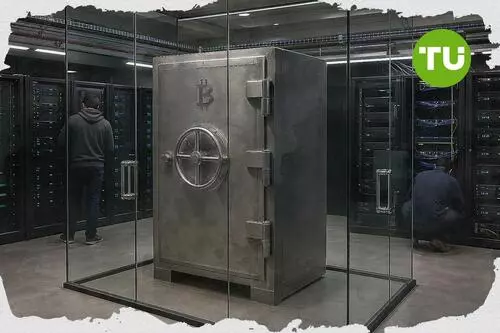
More than half of mined bitcoin remains outside wallets that researchers can confidently tie to exchanges, funds, governments or other known entities. The scale of those unattributed holdings suggests self-custody still accounts for a major share of the market, even as Wall Street adoption of the asset expands.
Highlights
- Galaxy Research reports that 11.1 million BTC, or 55% of total supply, is held in unidentified wallets as of October.
- Self-custody remains prevalent despite institutional growth, with Xapo Bank highlighting long-term retail investor activity over the past decade.
- Unattributed bitcoin includes potentially lost coins and disguised institutional holdings, complicating clear ownership analysis of the market’s supply.
Galaxy snapshot highlights self-custody dominance
As reported by CoinDesk, citing Galaxy Research, about 11.1 million BTC, or roughly 55% of the approximately 20.1 million bitcoin mined, is held in addresses the firm cannot link to a known owner. In its October snapshot, Galaxy classifies those coins as unattributed, meaning they could belong to individuals, unidentified institutions, or holders who no longer have access to their assets.Alex Thorn, Galaxy's head of research, views the figure as a sign that self-custody remains widespread despite the rise of exchanges, funds and institutional custodians. In this model, investors keep control of their own bitcoin keys instead of leaving assets with a platform or fund.
Xapo Bank, a bitcoin-focused bank, says in response to Thorn's post that the large volume of coins in unnamed wallets indicates retail investors have been active in the market for more than a decade.
Unknown holdings complicate ownership picture
The unattributed pool does not necessarily mean all of those coins are in the hands of long-term individual holders. The total may also include lost bitcoin, early mined coins whose owners forgot their keys or died, and institutional holdings masked by custody structures that distribute assets across many addresses.Some of the unidentified coins date back to bitcoin's early mining years, including holdings outside the Patoshi pattern, a group of early blocks that researchers associate with a single miner widely linked to bitcoin creator Satoshi Nakamoto. By contrast, the remaining 45% of supply that researchers can identify includes major named holders such as exchanges, BlackRock-led ETFs, the U.S. government, and "Satoshi Nakamoto (Patoshi Pattern)," which is listed at 1,123,658 BTC.
The figures show that while institutional participation in bitcoin keeps growing, blockchain ownership data still leaves most of the asset's supply without a clearly named holder. That limits how definitively analysts can interpret whether retail investors or large institutions control the market's biggest share.
In our earlier article on India’s disinvestment programme, we explained that the Centre has raised the vast majority of proceeds since FY2016 through market-linked routes such as ETFs, public issues and buybacks, while strategic sales have played a comparatively small role. We also noted how the pending IDBI Bank stake sale could materially lift this year’s receipts and potentially help the government exceed its budget estimate after several years of missed targets.









-
 Afghanistan
-
 Albania
-
 Algeria
-
 Angola
-
 Argentina
-
 Armenia
-
 Australia
-
 Austria
-
 Azerbaijan
-
 Bahamas
-
 Bahrain
-
 Bangladesh
-
 Belarus
-
 Belgium
-
 Bolivia
-
 Botswana
-
 Brazil
-
 Brunei
-
 Bulgaria
-
 Cambodia
-
 Cameroon
-
 Canada
-
 Chile
-
 China
-
 Colombia
-
 Congo
-
 Costa Rica
-
 Cote d'Ivoire
-
 Croatia
-
 Cuba
-
 Cyprus
-
 Czechia
-
 DR Congo
-
 Denmark
-
 Dominican Republic
-
 Ecuador
-
 Egypt
-
 El Salvador
-
 Estonia
-
 Eswatini
-
 Ethiopia
-
 Finland
-
 France
-
 Georgia
-
 Germany
-
 Ghana
-
 Greece
-
 Haiti
-
 Hong Kong
-
 Hungary
-
 India
-
 Indonesia
-
 Iran, Islamic republic
-
 Iraq
-
 Ireland
-
 Israel
-
 Italy
-
 Jamaica
-
 Japan
-
 Jordan
-
 Kazakhstan
-
 Kenya
-
 Korea
-
 Kuwait
-
 Kyrgyzstan
-
 Laos
-
 Latvia
-
 Lebanon
-
 Lesotho
-
 Libya
-
 Lithuania
-
 Luxembourg
-
 Madagascar
-
 Malaysia
-
 Malta
-
 Mauritius
-
 Mexico
-
 Moldova
-
 Mongolia
-
 Montenegro
-
 Morocco
-
 Mozambique
-
 Myanmar
-
 Namibia
-
 Nepal
-
 Netherlands
-
 New Zealand
-
 Nigeria
-
 North Macedonia
-
 Norway
-
 Oman
-
 Pakistan
-
 Palestine
-
 Panama
-
 Papua New Guinea
-
 Paraguay
-
 Peru
-
 Philippines
-
 Poland
-
 Portugal
-
 Puerto Rico
-
 Qatar
-
 Reunion
-
 Romania
-
 Rwanda
-
 Saudi Arabia
-
 Serbia
-
 Singapore
-
 Slovakia
-
 Slovenia
-
 Somalia
-
 South Africa
-
 Spain
-
 Sri Lanka
-
 Sweden
-
 Switzerland
-
 Syria
-
 Taiwan
-
 Tajikistan
-
 Tanzania
-
 Thailand
-
 Trinidad and Tobago
-
 Tunisia
-
 Turkey
-
 UAE
-
 Uganda
-
 Ukraine
-
 United Kingdom
-
United States
-
 Uruguay
-
 Uzbekistan
-
 Venezuela
-
 Vietnam
-
 Yemen
-
 Zambia
-
 Zimbabwe
- Forex
- Crypto












