

Injective expands AI compute derivatives with Nvidia GPU rental cost futures

Rising spending on AI infrastructure is creating demand for tools that can manage swings in computing costs across the sector. Injective has launched an onchain perpetual futures market tied to a basket of Nvidia GPU rental prices, broadening its earlier single-chip product into a wider index with up to 10x leverage.
Highlights
- Injective launched the Super Intelligence Compute Index (SICI), tracking rental prices for five Nvidia GPUs with hourly updates and up to 10x leverage.
- The launch addresses AI developers' exposure to volatile GPU rental costs, offering both hedging for renters and risk management for infrastructure providers.
- Gartner warns over 80% of specialist AI cloud providers could lose independence by 2030 as capital pressures grow, highlighted by cost-cutting moves at Microsoft and Meta.
Index structure and trading use case
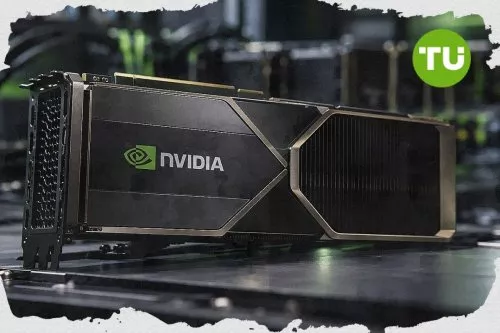
According to Cointelegraph, as announced by Injective on Monday, the new Super Intelligence Compute Index, or SICI, tracks rental prices for five Nvidia GPUs using marketplace data compiled by London-based market data firm LO:TECH.The index covers Nvidia’s H100, B200, H200, A100 and RTX 4090 chips. It gives the largest weighting to the H100 at 40%, followed by the B200 at 25%, and updates hourly based on a trailing seven-day average of rental prices. Traders can take long or short positions on the index and use USDC as margin, with leverage of up to 10x.
The product extends Injective’s August 2025 launch of a market linked to Nvidia H100 rental prices alone. The broader five-chip structure is aimed at companies and market participants exposed to changing AI compute costs, particularly developers that rent capacity from cloud providers such as CoreWeave and Nebius instead of buying GPUs outright.
Injective said the market can serve as a hedge for AI developers facing higher rental prices, while also offering GPU infrastructure providers a way to protect against weaker rental revenue if demand softens.
Pressure builds across AI infrastructure market
The launch arrives as investors and operators are weighing whether specialist AI cloud providers can earn enough to justify the heavy cost of building and running GPU infrastructure.Research firm Gartner warned in October that more than 80% of specialist AI cloud providers, often called neoclouds, could stop operating independently by 2030 if returns on investment remain under pressure. Elon Musk reinforced those concerns on Sunday, saying more than 200 neocloud providers could face failure or consolidation as lenders grow more reluctant to finance businesses reliant on AI data center revenue.
Large technology groups are also reshaping operations as AI capital spending rises. Bloomberg reported Monday that Microsoft, which has forecast about $175 billion in capital expenditures for 2026, is offering voluntary buyouts to roughly 60,000 eligible employees as it tries to reduce costs. Meta, after investing more than $100 billion in AI, cut 8,000 jobs in May as part of a restructuring intended to rein in spending.
Our earlier article on mounting strains in U.S. AI data center expansion highlighted how higher financing costs, construction delays and power constraints are undermining the pace of new capacity coming online. We noted that only a minority of planned projects looked credible, while investor confidence has been pressured by cost overruns and tighter access to capital—factors that ultimately feed into the real-world cost and availability of AI compute.






Latest NVIDIA News



-
 Afghanistan
-
 Albania
-
 Algeria
-
 Angola
-
 Argentina
-
 Armenia
-
 Australia
-
 Austria
-
 Azerbaijan
-
 Bahamas
-
 Bahrain
-
 Bangladesh
-
 Belarus
-
 Belgium
-
 Bolivia
-
 Botswana
-
 Brazil
-
 Brunei
-
 Bulgaria
-
 Cambodia
-
 Cameroon
-
 Canada
-
 Chile
-
 China
-
 Colombia
-
 Congo
-
 Costa Rica
-
 Cote d'Ivoire
-
 Croatia
-
 Cuba
-
 Cyprus
-
 Czechia
-
 DR Congo
-
 Denmark
-
 Dominican Republic
-
 Ecuador
-
 Egypt
-
 El Salvador
-
 Estonia
-
 Eswatini
-
 Ethiopia
-
 Finland
-
 France
-
 Georgia
-
 Germany
-
 Ghana
-
 Greece
-
 Haiti
-
 Hong Kong
-
 Hungary
-
 India
-
 Indonesia
-
 Iran, Islamic republic
-
 Iraq
-
 Ireland
-
 Israel
-
 Italy
-
 Jamaica
-
 Japan
-
 Jordan
-
 Kazakhstan
-
 Kenya
-
 Korea
-
 Kuwait
-
 Kyrgyzstan
-
 Laos
-
 Latvia
-
 Lebanon
-
 Lesotho
-
 Libya
-
 Lithuania
-
 Luxembourg
-
 Madagascar
-
 Malaysia
-
 Malta
-
 Mauritius
-
 Mexico
-
 Moldova
-
 Mongolia
-
 Montenegro
-
 Morocco
-
 Mozambique
-
 Myanmar
-
 Namibia
-
 Nepal
-
 Netherlands
-
 New Zealand
-
 Nigeria
-
 North Macedonia
-
 Norway
-
 Oman
-
 Pakistan
-
 Palestine
-
 Panama
-
 Papua New Guinea
-
 Paraguay
-
 Peru
-
 Philippines
-
 Poland
-
 Portugal
-
 Puerto Rico
-
 Qatar
-
 Reunion
-
 Romania
-
 Rwanda
-
 Saudi Arabia
-
 Serbia
-
 Singapore
-
 Slovakia
-
 Slovenia
-
 Somalia
-
 South Africa
-
 Spain
-
 Sri Lanka
-
 Sweden
-
 Switzerland
-
 Syria
-
 Taiwan
-
 Tajikistan
-
 Tanzania
-
 Thailand
-
 Trinidad and Tobago
-
 Tunisia
-
 Turkey
-
 UAE
-
 Uganda
-
 Ukraine
-
 United Kingdom
-
United States
-
 Uruguay
-
 Uzbekistan
-
 Venezuela
-
 Vietnam
-
 Yemen
-
 Zambia
-
 Zimbabwe
- Forex
- Crypto












