

SEC prepares rules to boost DeFi and fintech startups
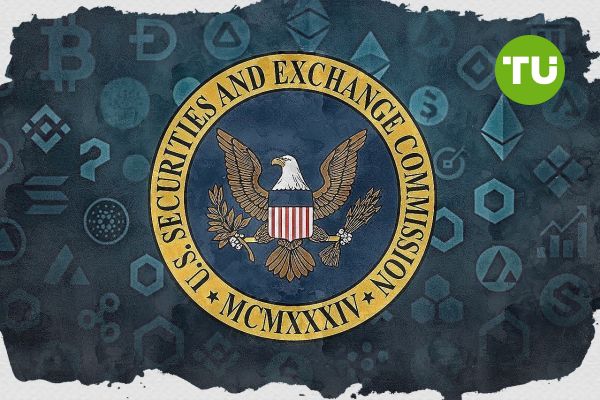
The U.S. Securities and Exchange Commission (SEC) is preparing to introduce a groundbreaking initiative called the Innovation Exemption — a regulatory framework designed to stimulate innovation in the cryptocurrency and fintech sectors while preserving investor protection. The initiative is expected to be finalized by the end of 2025 and represents a significant departure from enforcement-based policies in favor of a structured approach supporting supervised experimentation.
Under the leadership of Chair Paul Atkins, the SEC aims to create a regulatory environment that balances oversight with flexibility, providing much-needed clarity for startups and institutional investors, Decrypt reports.
This move follows years of criticism over “regulation by enforcement” under the previous administration, which many industry leaders argued pushed innovation overseas. With the new exemption, the SEC intends to bring blockchain and DeFi innovation back to the United States, fostering growth through clearer compliance pathways and supervised testing conditions.
Building a framework for responsible innovation
The Innovation Exemption will allow startups and decentralized projects to operate under temporary, conditional relief, enabling them to test models in DeFi, tokenization, and payments without incurring excessive legal costs. As noted by Momentum Finance CEO Wendy Fu, the framework will give regulators “a front-row seat” to observe emerging technologies in real time, bridging the gap between experimentation and oversight.
Paul Atkins emphasized that the initiative aims to attract institutional capital by reducing regulatory uncertainty — a long-standing barrier for small fintech firms and global investors. However, while improved clarity could boost liquidity and trust, compliance demands may challenge resource-limited startups, giving an advantage to larger, well-capitalized players. Analysts warn that without proportional requirements or sandbox mechanisms, smaller innovators could struggle to compete, risking market consolidation.
For decentralized finance, the success of the exemption will depend on how effectively it reconciles decentralization with regulatory supervision. Thoughtful design could lower experimentation barriers while maintaining consumer protections. Poorly tailored rules, however, might force DeFi protocols toward centralization, undermining their core philosophy and introducing new risks.
A step toward global competitiveness
The crypto community views the SEC’s initiative as a turning point for U.S. competitiveness in digital assets. By offering clearly defined pathways for compliant innovation, the Innovation Exemption could reverse the trend of crypto innovation moving offshore, strengthening the U.S. ecosystem.
If effectively implemented, the framework could revitalize domestic fintech, enhance regulatory transparency, and establish global standards for blockchain integration into traditional markets. Its long-term impact, however, will depend on the SEC’s ability to balance innovation and investor protection, fostering a diverse and inclusive digital economy.
Read also: Senator Lummis confirms U.S. Bitcoin Reserve has executive green light






Latest Finance News




-
 Afghanistan
-
 Albania
-
 Algeria
-
 Angola
-
 Argentina
-
 Armenia
-
 Australia
-
 Austria
-
 Azerbaijan
-
 Bahamas
-
 Bahrain
-
 Bangladesh
-
 Belarus
-
 Belgium
-
 Bolivia
-
 Botswana
-
 Brazil
-
 Brunei
-
 Bulgaria
-
 Cambodia
-
 Cameroon
-
 Canada
-
 Chile
-
 China
-
 Colombia
-
 Congo
-
 Costa Rica
-
 Cote d'Ivoire
-
 Croatia
-
 Cuba
-
 Cyprus
-
 Czechia
-
 DR Congo
-
 Denmark
-
 Dominican Republic
-
 Ecuador
-
 Egypt
-
 El Salvador
-
 Estonia
-
 Eswatini
-
 Ethiopia
-
 Finland
-
 France
-
 Georgia
-
 Germany
-
 Ghana
-
 Greece
-
 Haiti
-
 Hong Kong
-
 Hungary
-
 India
-
 Indonesia
-
 Iran, Islamic republic
-
 Iraq
-
 Ireland
-
 Israel
-
 Italy
-
 Jamaica
-
 Japan
-
 Jordan
-
 Kazakhstan
-
 Kenya
-
 Korea
-
 Kuwait
-
 Kyrgyzstan
-
 Laos
-
 Latvia
-
 Lebanon
-
 Lesotho
-
 Libya
-
 Lithuania
-
 Luxembourg
-
 Madagascar
-
 Malaysia
-
 Malta
-
 Mauritius
-
 Mexico
-
 Moldova
-
 Mongolia
-
 Montenegro
-
 Morocco
-
 Mozambique
-
 Myanmar
-
 Namibia
-
 Nepal
-
 Netherlands
-
 New Zealand
-
 Nigeria
-
 North Macedonia
-
 Norway
-
 Oman
-
 Pakistan
-
 Palestine
-
 Panama
-
 Papua New Guinea
-
 Paraguay
-
 Peru
-
 Philippines
-
 Poland
-
 Portugal
-
 Puerto Rico
-
 Qatar
-
 Reunion
-
 Romania
-
 Rwanda
-
 Saudi Arabia
-
 Serbia
-
 Singapore
-
 Slovakia
-
 Slovenia
-
 Somalia
-
 South Africa
-
 Spain
-
 Sri Lanka
-
 Sweden
-
 Switzerland
-
 Syria
-
 Taiwan
-
 Tajikistan
-
 Tanzania
-
 Thailand
-
 Trinidad and Tobago
-
 Tunisia
-
 Turkey
-
 UAE
-
 Uganda
-
 Ukraine
-
 United Kingdom
-
United States
-
 Uruguay
-
 Uzbekistan
-
 Venezuela
-
 Vietnam
-
 Yemen
-
 Zambia
-
 Zimbabwe
- Forex
- Crypto












