
WLFI faces scrutiny over wallet ties to global sanctioned entities
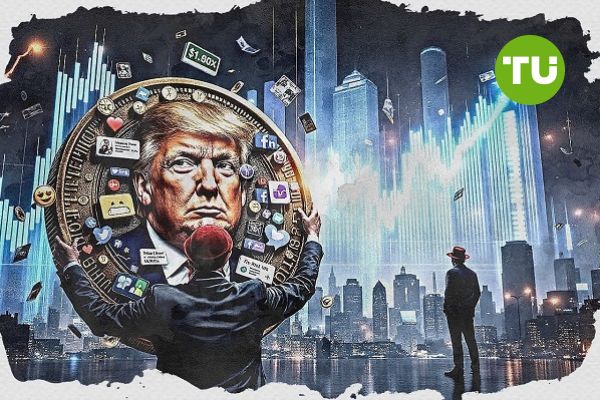
Democratic Senators Elizabeth Warren and Jack Reed have asked the U.S. Department of Justice and the Department of the Treasury to investigate World Liberty Financial, after a review conducted by the nongovernmental watchdog organization Accountable US identified wallet-level interactions between WLFI token buyers and sanctioned addresses.
Accountable US claims that WLFI token sales involved wallets linked to the North Korean Lazarus Group, the Russian A7A5 token, the Iranian exchange Nobitex, and that 62 buyers had at some point used Tornado Cash. These links appear in both the presale and early-sale phases.
According to WLFI, the Trump-affiliated company DT Marks DeFi LLC and certain members of the Trump family hold 22.5 billion WLFI tokens and receive 75% of net proceeds from token sales under a services agreement.
This structure is part of the project’s economic model and public disclosures, but may now be affected by an OFAC investigation—the Treasury Department’s Office of Foreign Assets Control, which designs and enforces economic and trade sanctions aimed at supporting U.S. foreign policy and national security.
WLFI has publicly stated that it screens buyers using KYC and AML procedures. If this claim is accurate, the review will focus primarily on the effectiveness of these controls rather than the existence of policies, since OFAC applies a strict-liability standard to civil sanctions violations.
Under OFAC compliance requirements, companies dealing with virtual currency must implement screening, geofencing, escalation procedures, and audit trails robust enough to withstand post-transaction scrutiny.
Although the U.S. lifted sanctions on Tornado Cash on March 21, 2025, activity that occurred before that date remains under OFAC’s jurisdiction, as do dealings involving North Korean counterparties.
Crypto-economics and the financial structure under investigation
According to CryptoSlate, token concentration and the economic structure of WLFI sales are now central to the senators’ concerns, as any sanctions could directly affect organizations linked to former President Donald Trump’s business network.
The senators’ letter is framed around this model, in which even unintentional interactions with sanctioned persons may trigger civil enforcement, and corrective actions are evaluated based on effectiveness rather than intent.
The scale is defined by the market and fundraising profile. In June, Reuters reported that a UAE-based fund invested $100 million in WLFI tokens, and a separate 2025 report estimated that more than $550 million had been raised earlier this year.
If investigators identify sanction-implicated flows within these sales, blocking orders and penalties could affect not only project-related wallets but also service-agreement payouts owed to DT Marks DeFi LLC.
Four oversight paths are currently under discussion:
- OFAC civil actions with wallet blocking.
- Criminal liability, usually involving willful tax evasion or false statements.
- FinCEN special measures targeting the mixing of convertible virtual currencies. If applied to flows involving WLFI counterparties, these measures would increase reporting and verification obligations for banks and exchanges processing such transactions.
- Governance integrity, if Treasury determines that governance tokens could influence protocol parameters, treasury disbursements, or roadmap decisions, raising governance-risk concerns.
WLFI is likely to argue that it conducted screening, rejected non-compliant buyers, and strengthened controls as new information emerged. The stress test for these claims lies in records: dated blocked-address lists, vendor attestations, timestamped entries predating relevant sales, and data consistency between known and retail wallets.
Is there an impeachment risk?
While the senators’ request itself does not constitute grounds for impeachment, Democrats may view any confirmed sanctions-linked financial flows associated with Trump-connected WLFI entities as a potential conflict of interest—especially if presidential actions intersect with Treasury or DOJ activity on this matter.
Impeachment does not require a statutory crime; it concerns abuse of power, corruption, or violation of public trust.
If investigators uncover evidence that the president attempted to influence law-enforcement activity, shield WLFI from scrutiny, or otherwise use his office to protect financial interests tied to the project, this could give House Democrats a compelling basis for impeachment. However, absent such actions, an OFAC civil finding involving bad-actor WLFI buyers would not, on its own, constitute an impeachable offense.
As we wrote, WLFI listing: Trump token hype and risk factors








-
 Afghanistan
-
 Albania
-
 Algeria
-
 Angola
-
 Argentina
-
 Armenia
-
 Australia
-
 Austria
-
 Azerbaijan
-
 Bahamas
-
 Bahrain
-
 Bangladesh
-
 Belarus
-
 Belgium
-
 Bolivia
-
 Botswana
-
 Brazil
-
 Brunei
-
 Bulgaria
-
 Cambodia
-
 Cameroon
-
 Canada
-
 Chile
Chile
-
 China
China
-
 Colombia
-
 Congo
Congo
-
 Costa Rica
-
 Cote d'Ivoire
-
 Croatia
-
 Cuba
Cuba
-
 Cyprus
-
 Czechia
-
 DR Congo
-
 Denmark
-
 Dominican Republic
-
 Ecuador
-
 Egypt
Egypt
-
 El Salvador
-
 Estonia
-
 Eswatini
-
 Ethiopia
-
 Finland
-
 France
-
 Georgia
-
 Germany
-
 Ghana
Ghana
-
 Greece
-
 Haiti
Haiti
-
 Hong Kong
-
 Hungary
-
 India
India
-
 Indonesia
-
 Iran, Islamic republic
-
 Iraq
Iraq
-
 Ireland
-
 Israel
-
 Italy
Italy
-
 Jamaica
-
 Japan
Japan
-
 Jordan
-
 Kazakhstan
-
 Kenya
Kenya
-
 Korea
Korea
-
 Kuwait
-
 Kyrgyzstan
-
 Laos
Laos
-
 Latvia
-
 Lebanon
-
 Lesotho
-
 Libya
Libya
-
 Lithuania
-
 Luxembourg
-
 Madagascar
-
 Malaysia
-
 Malta
Malta
-
 Mauritius
-
 Mexico
-
 Moldova
-
 Mongolia
-
 Montenegro
-
 Morocco
-
 Mozambique
-
 Myanmar
-
 Namibia
-
 Nepal
Nepal
-
 Netherlands
-
 New Zealand
-
 Nigeria
-
 North Macedonia
-
 Norway
-
 Oman
Oman
-
 Pakistan
-
 Palestine
-
 Panama
-
 Papua New Guinea
-
 Paraguay
-
 Peru
Peru
-
 Philippines
-
 Poland
-
 Portugal
-
 Puerto Rico
-
 Qatar
Qatar
-
 Reunion
-
 Romania
-
 Rwanda
-
 Saudi Arabia
-
 Serbia
-
 Singapore
-
 Slovakia
-
 Slovenia
-
 Somalia
-
 South Africa
-
 Spain
Spain
-
 Sri Lanka
-
 Sweden
-
 Switzerland
-
 Syria
Syria
-
 Taiwan
-
 Tajikistan
-
 Tanzania
-
 Thailand
-
 Trinidad and Tobago
-
 Tunisia
-
 Turkey
-
 UAE
UAE
-
 Uganda
-
 Ukraine
-
 United Kingdom
-
United States
-
 Uruguay
-
 Uzbekistan
-
 Venezuela
-
 Vietnam
-
 Yemen
Yemen
-
 Zambia
-
 Zimbabwe
- Forex
- Crypto











