

BSP term deposit yield rises as inflation expectations lift rate hike bets

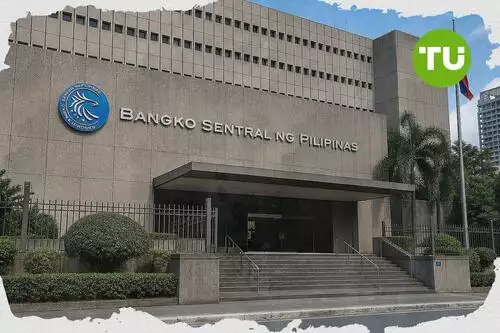
Improving demand for Bangko Sentral ng Pilipinas term deposits is coinciding with firmer expectations that borrowing costs could stay on an upward path. The average yield on the central bank’s seven-day facility edges up for a fifth straight week as investors weigh elevated inflation against signs of weaker economic growth.
Highlights
- BSP's seven-day term deposit facility received P92.881 billion in bids versus P80 billion on offer, raising the weighted average yield to 5.5484%.
- October inflation accelerated to 7.8%, driving market expectations for further BSP rate hikes after the policy rate increased by 50 basis points to 5.5% on Oct. 22.
- BSP projects inflation at 6.1% for 2023 and 6% in 2024, while slower Q3 GDP growth of 2.1% heightens stagflation concerns and may temper further tightening.
Auction demand and yield movement
As reported by BusinessWorld Online, the Bangko Sentral ng Pilipinas’ seven-day term deposit facility drew P92.881 billion in bids on Wednesday, above the P80 billion on offer and higher than the P74.66 billion tendered for the same volume a week earlier.The stronger appetite brought the bid-to-cover ratio to 1.161 times from 0.9333 in the previous auction. The BSP said it fully awarded the offer, with accepted yields narrowing to 5.4% to 5.65% from 5.3% to 5.7% a week earlier. The weighted average accepted yield rose by 0.55 basis point week on week to 5.5484% from 5.5429%, extending the increase for a fifth straight week.
The central bank uses the term deposit facility and BSP bills to absorb excess liquidity from the financial system and steer market yields closer to its policy rate. It has limited TDF offerings to a single tenor as part of efforts to streamline liquidity operations and strengthen monetary policy transmission.
Inflation outlook and policy implications
Rizal Commercial Banking Corp. Chief Economist Michael L. Ricafort said the higher average TDF yield reflects faster October inflation, which is feeding expectations of additional BSP rate increases. Headline inflation accelerated to 7.8% in October, a near four-year high, as energy costs pushed up fuel, transport and utility prices, marking the eighth straight month above the BSP’s 3% target.Year-to-date inflation stands at 5.6%. On Oct. 22, the BSP raised its key policy rate by 50 basis points to 5.5%, its fourth straight increase and part of a cumulative 125 basis points in tightening since April.
BSP Governor Eli M. Remolona, Jr. said last week that the central bank remains on a tightening path because persistent and emerging price pressures could keep inflation above target over the next two years. The BSP sees inflation averaging 6.1% this year and 6% next year before easing to 3.3% in 2028.
At the same time, Remolona said a wider negative output gap could lower the chances of further hikes. Ricafort also said slower-than-expected third-quarter GDP growth raises stagflation risks that could limit additional monetary tightening after the economy expanded by 2.1% in the quarter, down from 2.3% in April to June and 4% a year earlier.
As of mid-August, the BSP’s market operations had absorbed P975.4 billion in excess liquidity, with 12.3% withdrawn through the term deposit facility. The BSP also said rates on its seven-day TDF fully reflected the two 25-basis-point policy rate hikes delivered in April and June, which brought the benchmark rate to 4.75%.
We have previously noted that Philippine bond reforms could broaden participation, though deeper changes are needed to lift investment.









-
 Afghanistan
-
 Albania
-
 Algeria
-
 Angola
-
 Argentina
-
 Armenia
-
 Australia
-
 Austria
-
 Azerbaijan
-
 Bahamas
-
 Bahrain
-
 Bangladesh
-
 Belarus
-
 Belgium
-
 Bolivia
-
 Botswana
-
 Brazil
-
 Brunei
-
 Bulgaria
-
 Cambodia
-
 Cameroon
-
 Canada
-
 Chile
-
 China
-
 Colombia
-
 Congo
-
 Costa Rica
-
 Cote d'Ivoire
-
 Croatia
-
 Cuba
-
 Cyprus
-
 Czechia
-
 DR Congo
-
 Denmark
-
 Dominican Republic
-
 Ecuador
-
 Egypt
-
 El Salvador
-
 Estonia
-
 Eswatini
-
 Ethiopia
-
 Finland
-
 France
-
 Georgia
-
 Germany
-
 Ghana
-
 Greece
-
 Haiti
-
 Hong Kong
-
 Hungary
-
 India
-
 Indonesia
-
 Iran, Islamic republic
-
 Iraq
-
 Ireland
-
 Israel
-
 Italy
-
 Jamaica
-
 Japan
-
 Jordan
-
 Kazakhstan
-
 Kenya
-
 Korea
-
 Kuwait
-
 Kyrgyzstan
-
 Laos
-
 Latvia
-
 Lebanon
-
 Lesotho
-
 Libya
-
 Lithuania
-
 Luxembourg
-
 Madagascar
-
 Malaysia
-
 Malta
-
 Mauritius
-
 Mexico
-
 Moldova
-
 Mongolia
-
 Montenegro
-
 Morocco
-
 Mozambique
-
 Myanmar
-
 Namibia
-
 Nepal
-
 Netherlands
-
 New Zealand
-
 Nigeria
-
 North Macedonia
-
 Norway
-
 Oman
-
 Pakistan
-
 Palestine
-
 Panama
-
 Papua New Guinea
-
 Paraguay
-
 Peru
-
 Philippines
-
 Poland
-
 Portugal
-
 Puerto Rico
-
 Qatar
-
 Reunion
-
 Romania
-
 Rwanda
-
 Saudi Arabia
-
 Serbia
-
 Singapore
-
 Slovakia
-
 Slovenia
-
 Somalia
-
 South Africa
-
 Spain
-
 Sri Lanka
-
 Sweden
-
 Switzerland
-
 Syria
-
 Taiwan
-
 Tajikistan
-
 Tanzania
-
 Thailand
-
 Trinidad and Tobago
-
 Tunisia
-
 Turkey
-
 UAE
-
 Uganda
-
 Ukraine
-
 United Kingdom
-
United States
-
 Uruguay
-
 Uzbekistan
-
 Venezuela
-
 Vietnam
-
 Yemen
-
 Zambia
-
 Zimbabwe
- Forex
- Crypto












